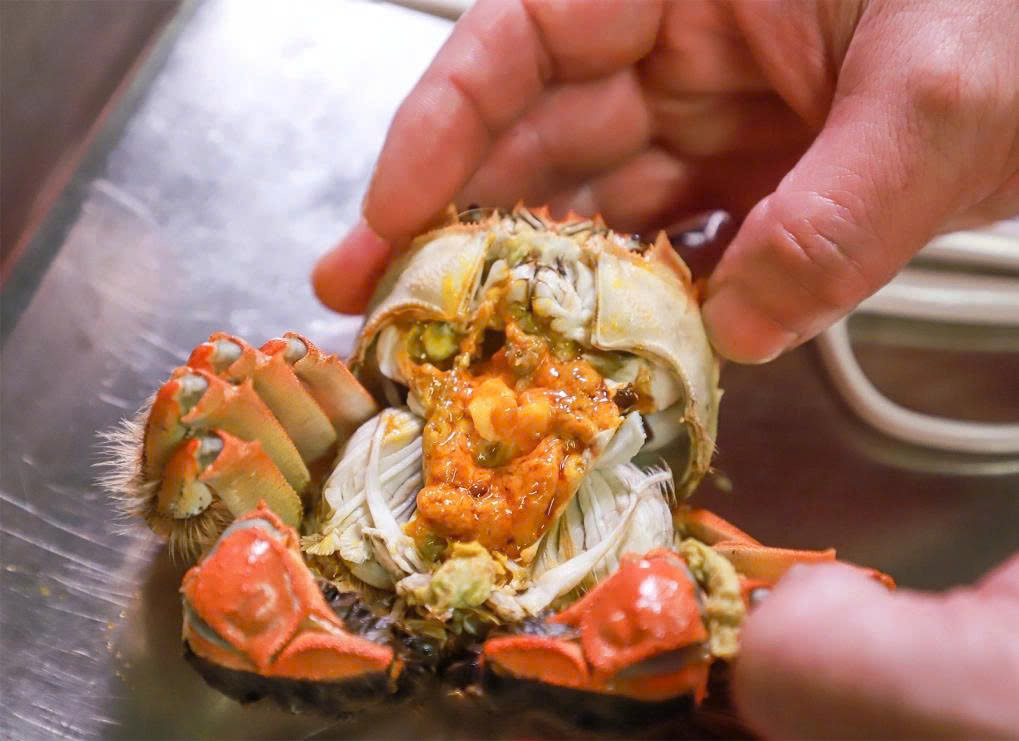
Lobster and caterpillar fungus (cordyceps) were once cheap but have now become expensive delicacies due to their refined flavor and scarcity.
Caterpillar Fungus (Cordyceps)
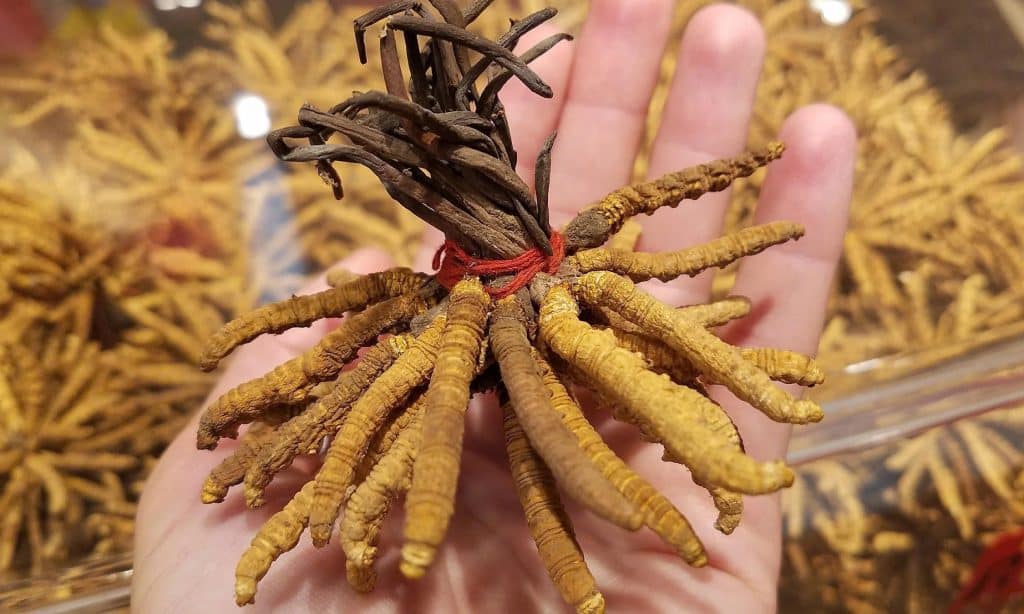
This parasitic fungus, which grows on moth larvae in nature, has been highly valued in traditional Chinese medicine for centuries for its health benefits, such as treating fatigue, kidney ailments, and low libido. It is more widely known by the name “Dong Chong Xia Cao” (Winter Worm, Summer Grass) and was relatively inexpensive in the past.
Commercialization and increased demand, particularly within traditional Chinese medicine, have transformed it into the world’s most expensive edible fungus, surpassing even white truffles in price. The fungus grows naturally in the Tibetan Plateau and the Himalayan regions, where it is harvested by local communities for traditional medical use. The scarcity and the specific growth conditions contribute significantly to its current high price.
Caviar
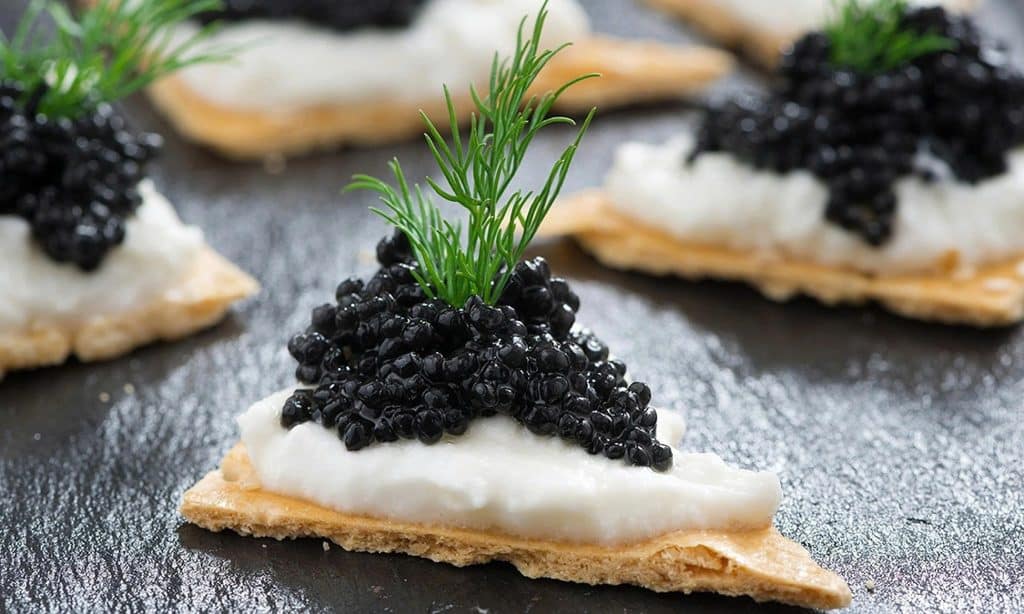
Approximately 300 years ago, salted sturgeon roe (caviar) was a cheap staple, often served free with drinks in taverns to boost sales—costing only about $2 per kilogram. The early 20th century marked a shift as the American sturgeon population declined sharply due to overfishing and the impact of the industrial revolution.
As the sturgeon supply collapsed, the price of caviar soared, transforming it into a luxurious delicacy reserved only for the wealthy and famous. Today, high-quality caviar is expensive due to its limited supply, complex harvesting and processing methods, and strict regulations regarding sturgeon fishing. The world’s most expensive caviar can cost up to $500 per teaspoon.
Wagyu Beef
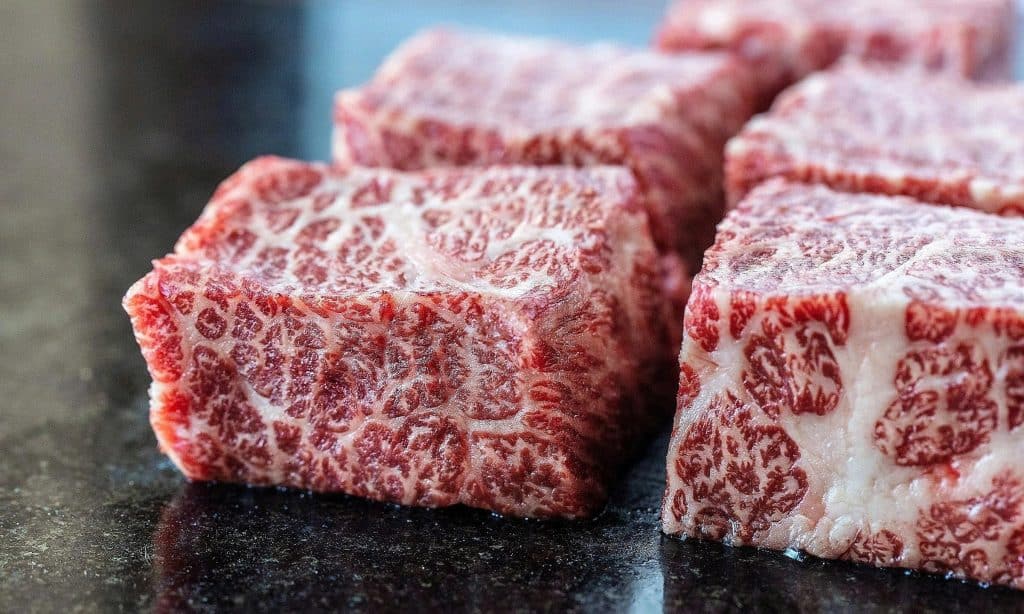
A5 Kobe Wagyu is one of the most expensive steaks in the world. However, in the early 20th century, the quality of domestic Wagyu was often considered inferior compared to cattle breeds imported from the United States and Europe. After 1868, foreign cattle were imported into Japan, leading to extensive crossbreeding with local breeds, creating the “improved Japanese cattle.”
In 1944, four Wagyu breeds were officially recognized: Japanese Black, Japanese Brown, Japanese Polled, and Japanese Shorthorn—with the Japanese Black from the Tajima region accounting for 90% of the population.
Wagyu beef, and especially Kobe Wagyu, gained global fame in the 1980s and 1990s. In 1983, the Kobe Beef Marketing and Distribution Promotion Association was established to define and promote the brand, setting rigorous standards for the Kobe label. The superior quality of Wagyu, combined with successful marketing, has driven prices up, turning it into a symbol of high-end cuisine.
Lobster
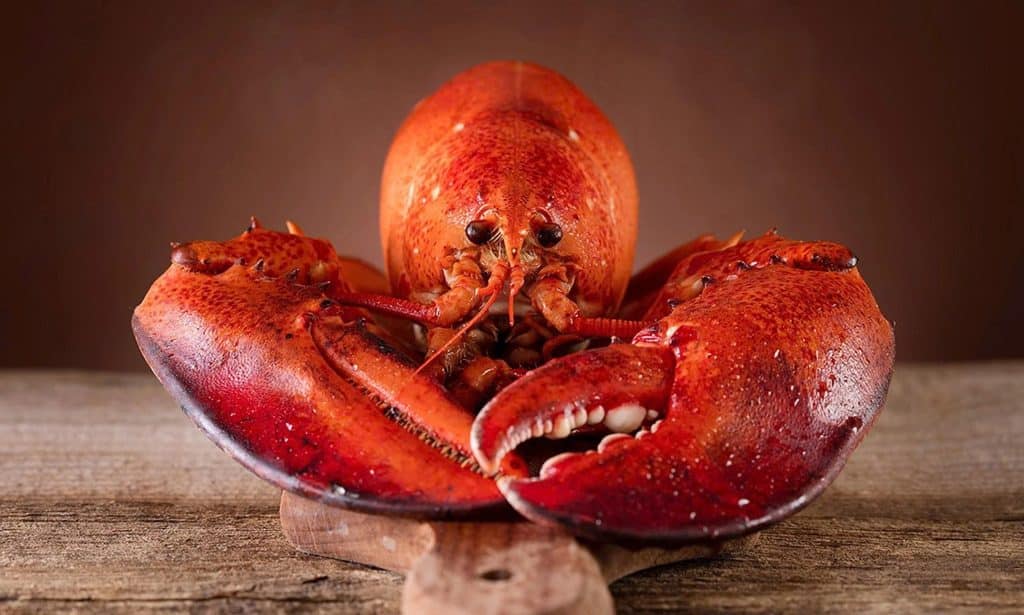
In the early days of the New World, lobsters were so abundant along the coast that they were considered an ordinary resource. They were even served to prisoners and slaves, with some historical accounts referring to them as “sea cockroaches.” Over time, increased demand coupled with overfishing and environmental degradation led to scarcity.
As the supply diminished, lobster began its ascent in status. Today, lobster is associated with the definition of luxury, appearing in upscale restaurants and commanding high prices in global seafood markets.
Foie Gras
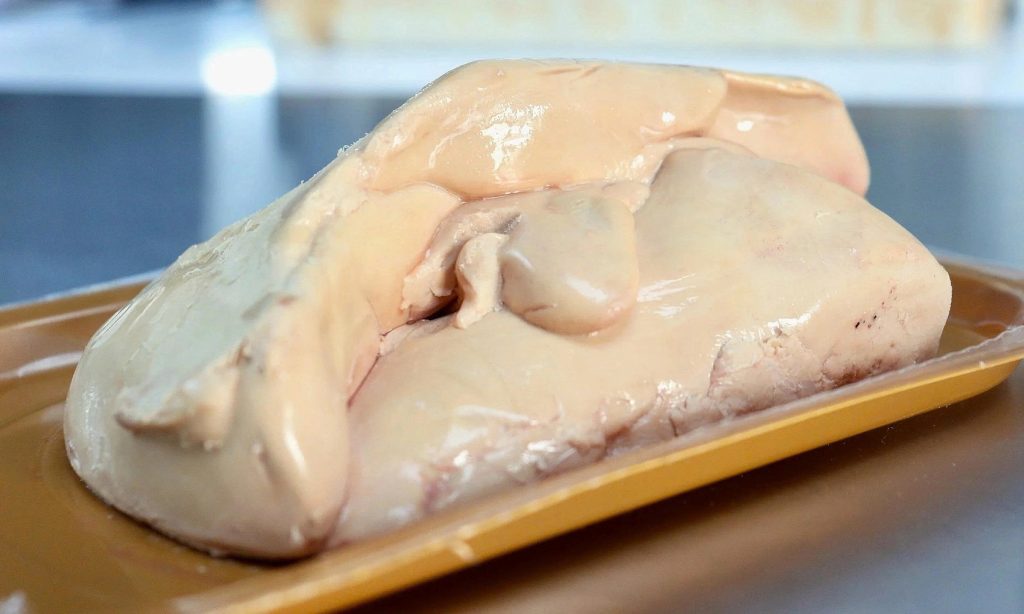
Foie gras—the delicacy made from the fattened liver of ducks or geese—has a long and controversial history. During the medieval period, goose liver was an important part of Jewish peasant cuisine, used as a cheap source of fat. By the Renaissance, it gradually transformed into a delicacy sought after by the wealthy, to the extent that they sent servants to Rome to procure it. This transformation reflects the changing perception and value of goose liver over time.
However, the production methods, particularly force-feeding (gavage), have raised concerns about animal welfare, leading to regulations in many countries. The limited supply and the time-consuming process of its creation contribute to its high cost.
Snails (Escargots)
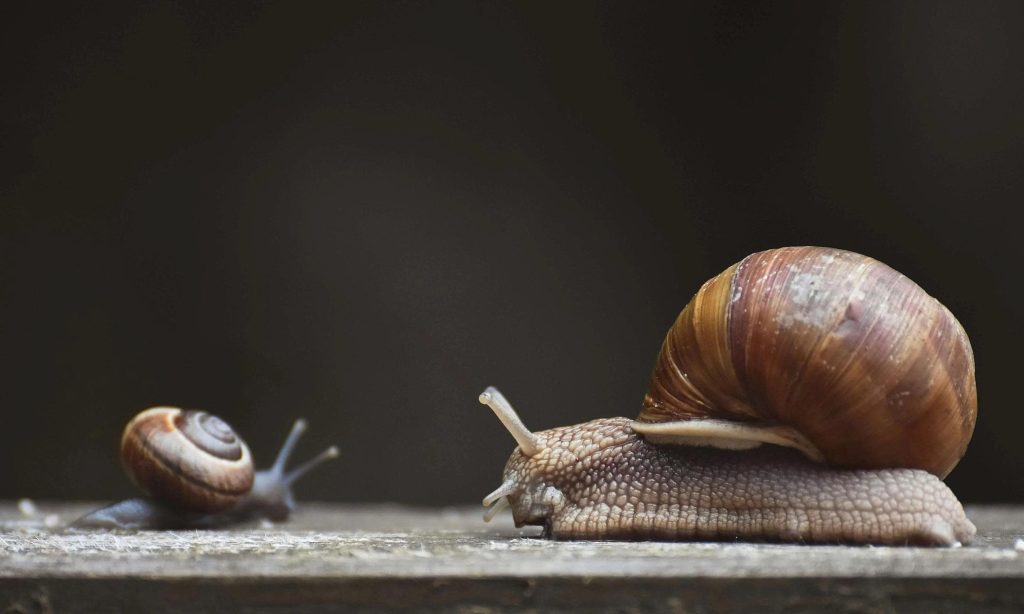
Snails were once plentiful and inexpensive but have now become an expensive dish in many cuisines, such as Greek, Catalan, and French. The meat of certain land snail species, like the Burgundy snail, is highly valued for its unique flavor and tender texture. This dish is typically prepared with garlic butter and herbs, served as an appetizer or a main course, and has become a symbol of refined dining.
Monkfish
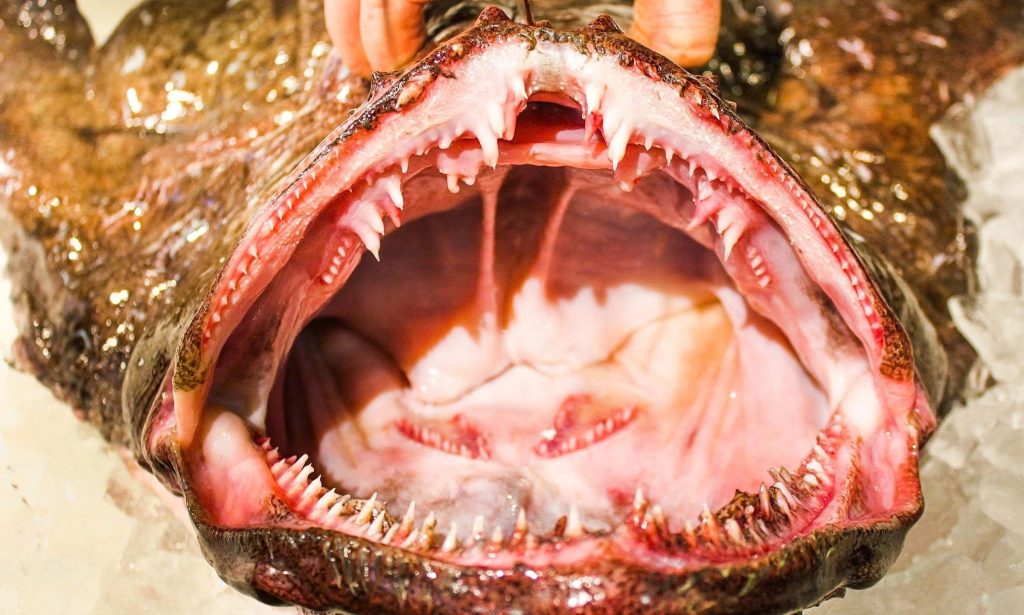
In the past, monkfish was largely overlooked by diners and considered unattractive due to its fearsome appearance and unusual anatomy. It was even once banned from sale in French fish markets. However, many eventually realized that its tail meat was exceptionally delicious, with a delicate flavor often compared to lobster, earning it the nickname “poor man’s lobster.” Its surge in popularity led to high demand, transforming it into a premium ingredient.
(According to Chef’s Pencil)
- Vietnam 7-Day Itinerary: Explore the Best of this Incredible Country
- Ha Long Bay Visitors Required to Declare Personal Information
- Vietnam Weather by Region Month by Month: Planning Guide
- Vietnam’s Best Family-Friendly Beaches Near Da Nang
- Cultural Differences Tourists Should Note When Visiting Japan