In a significant move aimed at tightening national security protocols, the United States is proposing to mandate that millions of visitors from its closest allies provide up to five years of social media history, along with extensive personal and family data, before being allowed entry under the Visa Waiver Program (VWP). This policy change, driven by the Department of Homeland Security (DHS), marks a dramatic expansion of the data collection requirements for travelers deemed low-risk.
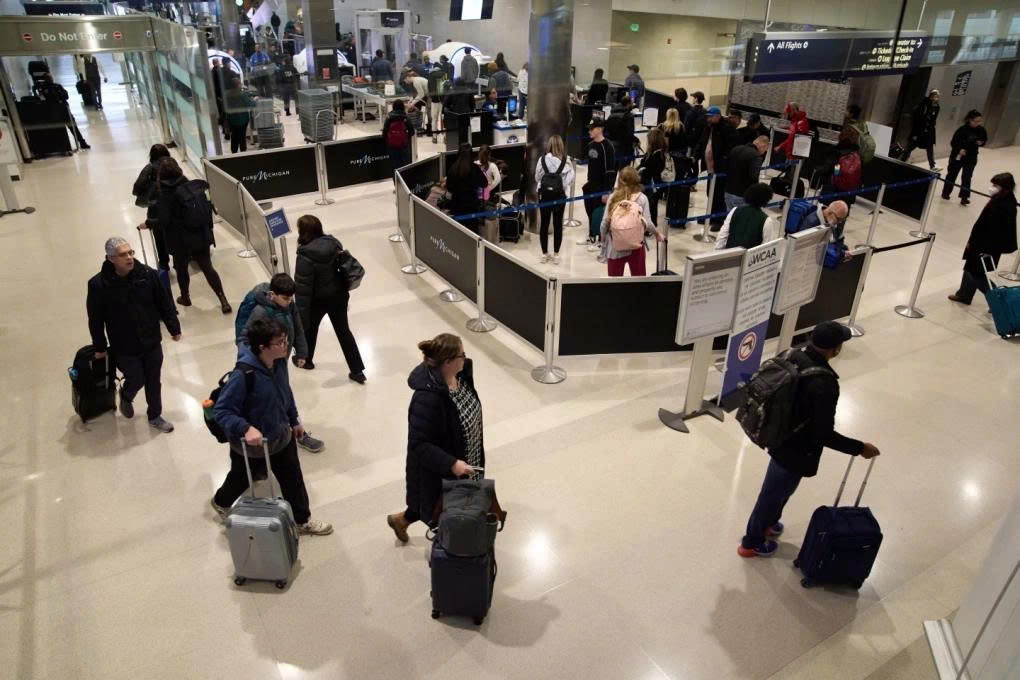
The proposal, officially published in the Federal Register on December 10, details new requirements that would be integrated into the Electronic System for Travel Authorization (ESTA). The ESTA system is currently used by citizens of 40 countries, primarily in Europe and Asia, to secure pre-approval for tourism or business trips of up to 90 days without a traditional visa.
The central element of the CBP’s (Customs and Border Protection) proposal is the collection of an applicant’s social media identifiers for the most recent five years. This would encompass usernames, handles, and other online markers used on major platforms.
However, the proposed data sweep extends far beyond just social media. Under the new rules, travelers may also be compelled to:
- List all phone numbers utilized within the past five years.
- Disclose all email addresses used over the past ten years.
- Provide metadata from any photos submitted as part of the application.
- Offer detailed information on family members, including their places of birth and phone numbers—information that currently is limited to basic parental details on the ESTA form.
The draft emphasizes that this comprehensive data collection is intended to bolster the screening process and enhance the government’s ability to vet individuals for potential security threats before they reach US borders.
The initiative directly addresses a standing executive order signed by President Donald Trump in January, which called for a significant escalation of the vetting process for all individuals entering the country.
Speaking from the White House, President Trump strongly defended the necessity of the measure, dismissing concerns that such rigorous checks could deter international tourism, which is a key component of the US economy.
“We need safety, security, and we must ensure that unsuitable people do not enter the country,” the President stated. “This is about protecting the American people from those who wish us harm.”
CBP further justified the proposal by referencing recent security incidents, specifically mentioning the terrorist attack targeting National Guard members in Washington D.C. just before the recent Thanksgiving holiday. The agency presented the expanded data collection as a vital, proactive step to mitigate such security risks.
The proposal, however, does not explicitly outline the criteria or algorithms the agencies will use to analyze the vast amount of social media data, nor does it specify what information found in those accounts would be grounds for rejection.
While the DHS frames the proposal as a security imperative, the move has ignited significant controversy among civil liberties groups, immigration advocates, and technology organizations. The public will have a 60-day window to submit comments before the proposed rule can be formally adopted.
A central point of contention is the potential for mission creep and the infringement upon fundamental rights. Organizations dedicated to the protection of free speech and digital privacy fear that the measure could be used arbitrarily, potentially targeting individuals who have voiced political criticism of the US government or who hold viewpoints deemed unfavorable by immigration officials. The chilling effect on online expression is a major concern.
It is worth noting that rigorous social media vetting is not entirely new. Under previous Trump and current Biden administrations, individuals applying for standard US visas (outside the VWP) have already been required to publicly disclose their social media accounts, with refusal to do so often leading to an automatic denial of the visa.
The new proposal extends this level of scrutiny to a much broader pool of travelers previously considered low-risk. CBP asserts that these draft rules are merely the beginning of a policy discussion on new screening options, and for the time being, no immediate changes have been implemented for current VWP travelers. The final rules, however, are expected to significantly redefine the expectations for transparency and privacy for anyone wishing to visit the United States.
(According to AP)
- Travel Neck Pillow: Cabeau Evolution S3 Travel Pillow
- The War Remnants Museum in Ho Chi Minh City: Visitor’s Guide
- Things to Do in Con Dao Island: Discover Historical & Beautiful Islands
- The World on Your Plate: Journey Through Iconic Global Cuisine
- Eco-Friendly Resorts in Sapa: Discover Your Green Getaway