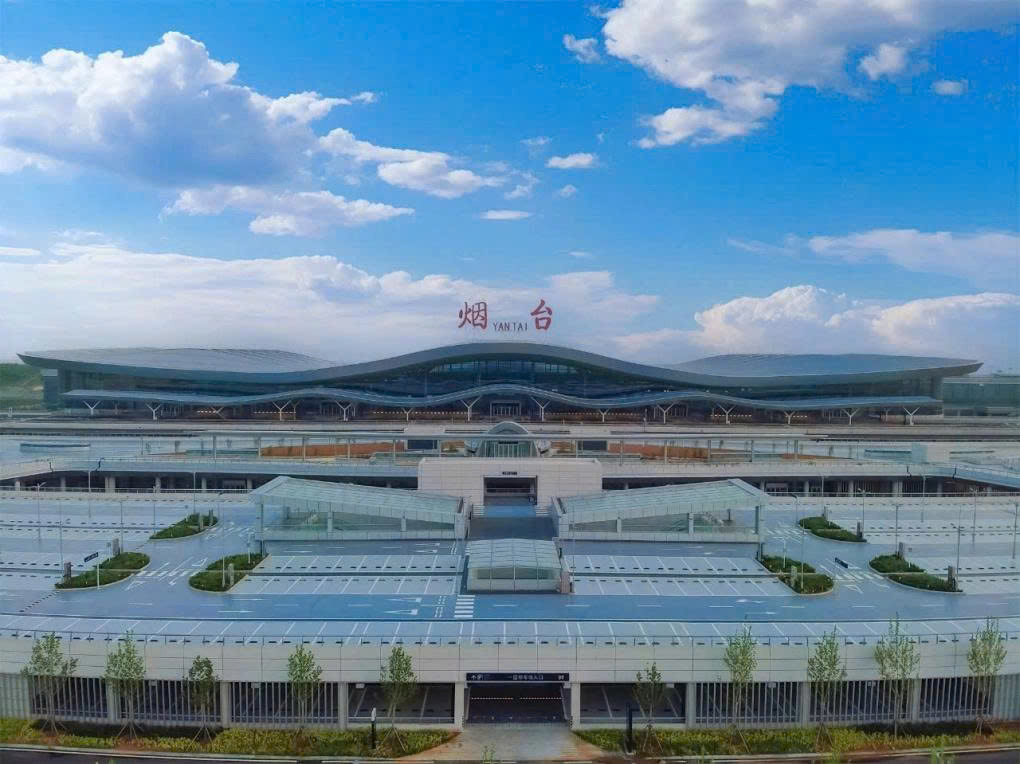
Terminal 2 of China’s Yantai Penglai International Airport has officially been crowned the World’s Most Beautiful Airport for 2025. This prestigious title was bestowed at the Prix Versailles architecture awards, a global competition held under the auspices of UNESCO that celebrates the world’s most exceptional contemporary structures.
The announcement was made by the World Judges Panel on December 5 at UNESCO headquarters in Paris. As part of the Prix Versailles framework, the award recognizes projects that represent the pinnacle of architectural excellence, balancing aesthetic brilliance with social and environmental responsibility.
Taking the top spot on this year’s global ranking is Terminal 2 (T2) of Yantai Penglai International Airport, located in Shandong Province, China. Having only commenced operations in 2024, the terminal has quickly become a symbol of China’s rapid infrastructure evolution and its commitment to high-end design.
According to the organizing committee, the winning projects are selected based on more than just visual appeal. To secure the top prize, a structure must meet rigorous criteria regarding sustainable development, functional efficiency, and the ability to reflect local cultural identity.
Designed to celebrate the unique coastal landscape and majestic mountains of Yantai, the terminal is a collaborative masterpiece. The project was led by the renowned international firm Aedas, in partnership with the China Southwest Architectural Design and Research Institute (CSWADI) and the New Era Airport Design and Research Institute (Shanghai).
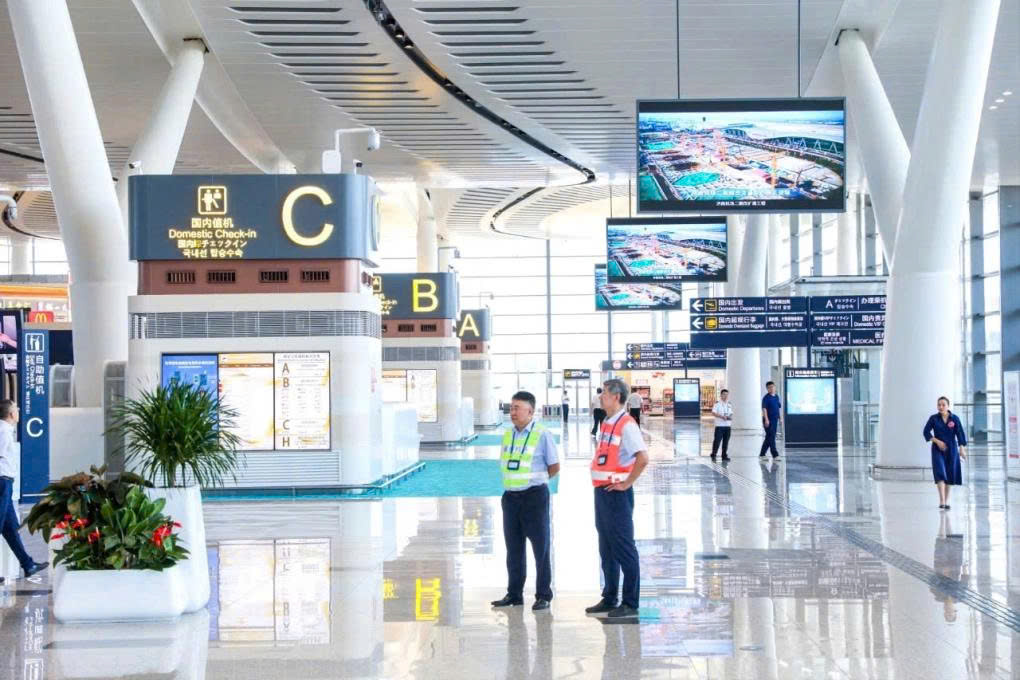
The architectural language of the terminal is deeply rooted in its surroundings:
- The Roofline: The undulating roof structure is inspired by the silhouettes of the Kunyu Mountains, creating a rhythmic skyline that feels integrated into the earth.
- The Interior: Wave-like ceilings and strategically placed skylights evoke the essence of the sea. Large atriums filled with greenery and open spaces flooded with natural light provide a serene, “stress-free” environment for travelers.
- Capacity and Flow: Spanning a total area of 167,000 square meters, the terminal features a highly flexible gate system and integrated rail connections. This layout optimizes passenger flow and enhances the overall travel experience by reducing transit times and congestion.
While China took the gold, European and regional designs also made a significant impact on the 2025 rankings.
Second Place: Marseille Provence Airport (France) Terminal 1 of Marseille Provence Airport secured the second-place position. Standing 22 meters high, the terminal’s centerpiece is a new central hall characterized by massive glass facades and polished aluminum framed skylights. This design maximizes natural ventilation and bathes the interior in Mediterranean light. Notably, approximately 70% of the steel used in the construction was recycled, highlighting a strong commitment to the circular economy.
Third Place: Roland Garros Airport (Réunion Island) The arrivals terminal at Roland Garros Airport took third place. Designed by AIA Life Designers, the project features a 13,000-square-meter “bioclimatic” extension. The project stands out for its social impact: 91% of the construction volume was carried out by local companies based on the island. This approach supported the local economy while delivering an environmentally friendly design tailored to the tropical climate.
Speaking on the significance of the awards, Jérôme Gouadain, Secretary General of the Prix Versailles, noted that airports today serve as much more than just transport hubs. They are symbols of international exchange and contemporary heritage.
“Beyond the strict operational and environmental requirements, these structures can truly become works of aesthetic value, reflecting the culture, memory, and shared values of humanity in a challenging global context,” Gouadain emphasized.
Established in 2015, the Prix Versailles is a world architecture prize supported by UNESCO and the International Union of Architects (UIA). It honors the most outstanding projects across various categories, including airports, hotels, and museums, based on the philosophy of “cultural economy.”
Unlike awards that focus purely on art, the Prix Versailles emphasizes the harmony between rigorous aesthetic beauty, sustainability, and functional efficiency. It is now considered one of the most prestigious global accolades, helping to define the standards for contemporary architecture in the 21st century.
(Source: Daily Express)
- 10-Day Northern Vietnam Itinerary: Hanoi, Sapa, Halong Bay & More
- Yangtze River Cruise Experience Guide: Journey China’s heart
- Chinese Tourists Shocked by “Staggering” High Cost of Spending in Singapore
- Your Ultimate Vietnam Travel Itinerary: 10 Unforgettable Days
- Where People Believe They Make the Best Bread in the World