For culinary connoisseurs, autumn in Shanghai is the most prestigious window in the gastronomic calendar. From September through November, the city transforms into a pilgrimage site for those seeking the legendary Hairy Crab. More than just a meal, indulging in this delicacy is a centuries-old ritual of refinement, patience, and aristocratic elegance.
While hairy crabs are found in various regions, the supreme standard resides in Yangcheng Lake. Historically reserved as a tribute for emperors and the centerpieces of grand palace banquets, these crabs are identified by their green carapaces and distinctive claws covered in dense, dark fur.
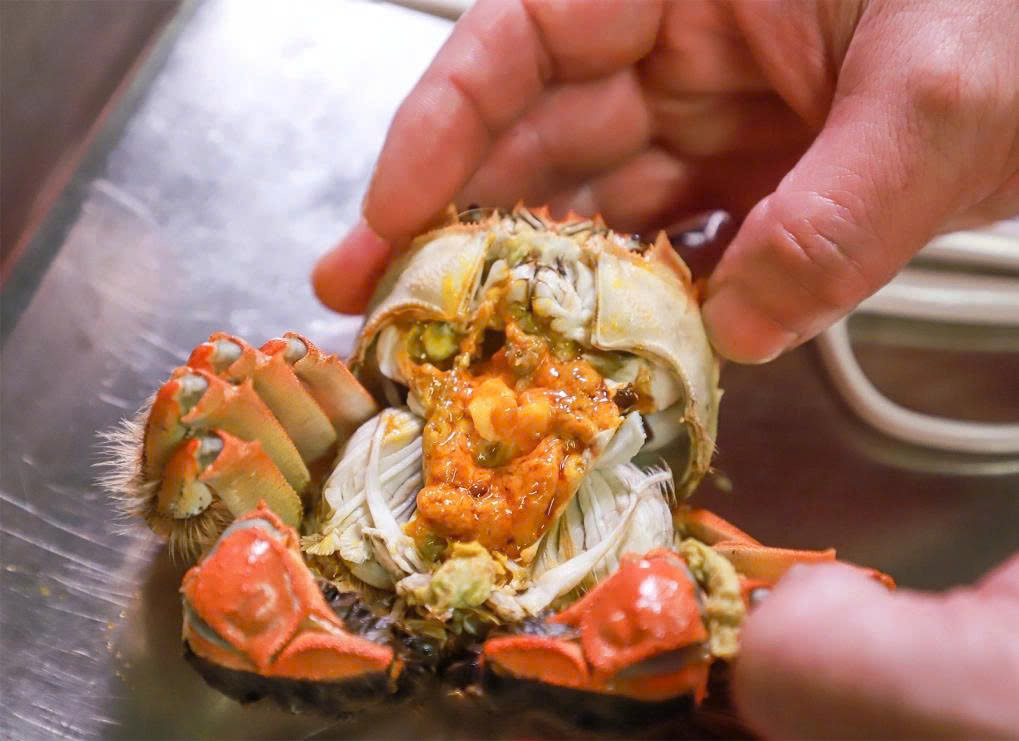
The allure of the Yangcheng crab lies in the contrast. Despite their modest size, they possess thin shells that house sweet, firm meat. However, the true treasure is the roe. In the autumn peak, this roe becomes incredibly rich, creamy, and a vibrant golden-orange, reminiscent of a cured egg yolk but with a deep, oceanic umami. Such quality comes at a premium: a small harvest of top-tier selection can cost more than a prime Wagyu steak.
In the high society of Old Shanghai, the philosophy of cooking hairy crab was rooted in minimalism. To mask the flavor of a Yangcheng crab with heavy spices was considered a culinary sin.
The traditional method remains steaming. By using high-pressure steam, the natural juices are locked within the shell. It is served simply with a dipping sauce composed of aged black rice vinegar, slivered ginger, and a pinch of sugar. This trio serves a functional purpose: the acidity of the vinegar cuts through the richness of the roe, while the ginger provides warmth to balance the crab’s cooling properties.
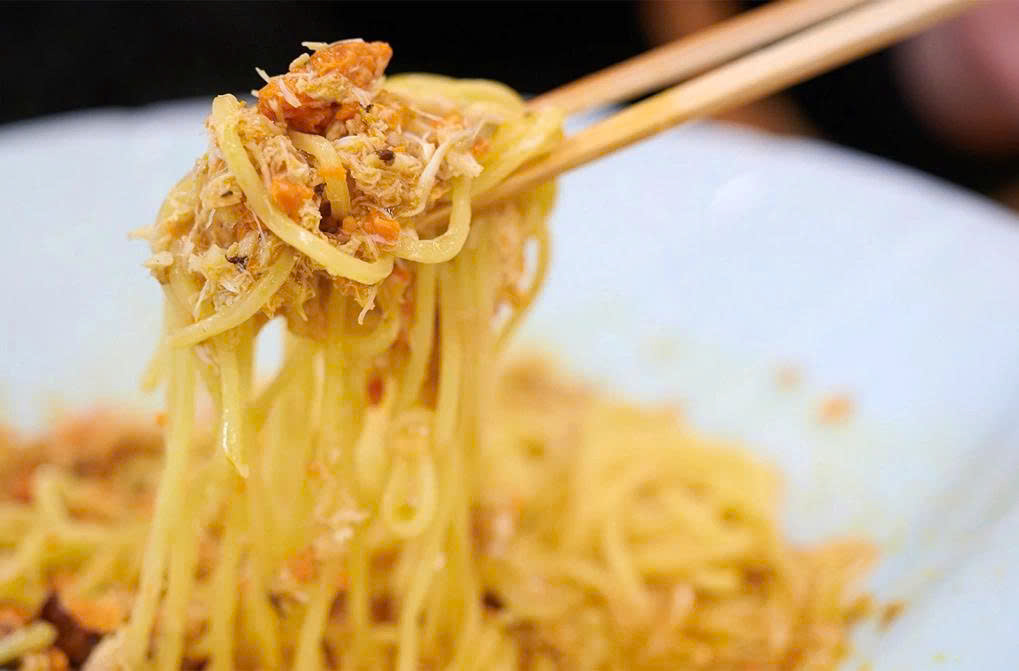
The true distinction between a casual diner and the aristocratic experience lies in the art of Pin Xie (the appreciation of the crab). Historically, the elite did not use their hands to crack shells; instead, they employed a specialized set of tools known as the Cua Bat Kien (The Eight Pieces of Crab Tools).
Crafted from silver or polished brass, this toolkit includes a small hammer to loosen the claws, elegant scissors for the legs, slim tweezers for extracting delicate meat, and specialized spoons for the golden roe.
A true master of these tools can disassemble the entire crab, enjoying every morsel, and then—in a display of ultimate sophistication—reassemble the empty shells back into the shape of a whole crab on the plate. This practice is a testament to one’s patience and social standing.
While many modern luxury restaurants now offer a service where staff present the meat and roe already gored, purists argue that the ritual of the tools is half the joy. For the modern traveler, choosing to use the tools is a way to honor a vanishing art form.
To drink Champagne or white wine with hairy crab is seen as a Western faux pas in Shanghai. Instead, the local elite pair the meal with Shaoxing Yellow Wine.
This pairing is governed by the principles of Traditional Chinese Medicine. Crab meat is classified as a cold (Yin) food, which can be taxing on the digestive system. Yellow wine, brewed from fermented rice and aged for years, is a warm (Yang) spirit. When sipped warm, the wine harmonizes the body’s energy, neutralizes the chill of the crab, and enhances the sweet notes of the meat. It is a marriage of health philosophy and epicurean delight.
In recent years, Shanghai has surged in popularity among Vietnamese travelers. Travel agencies in Hanoi and Ho Chi Minh City report a significant spike in tour bookings and flight demands during the autumn months. Many travelers are no longer looking for just sightseeing; they are food tourists seeking the authentic, high-end hairy crab experience.
If you are planning a journey to Shanghai this autumn, these institutions offer the most prestigious experiences:
Wang Bao He (The King of Crabs): Located on Fuzhou Road. Founded many centuries ago, this is the oldest crab restaurant in the city. It is the gold standard for tradition.
Cheng Long Hang Crab Palace: Located on Jiujiang Road. Famous for its opulent, palace-like decor and creative interpretations, such as crab roe dumplings and golden crab sauces.
Yuan Yuan: Located on Xingguo Road. This restaurant offers a refined, contemporary atmosphere and quintessential Shanghainese flavors.
(According to China Highlights)