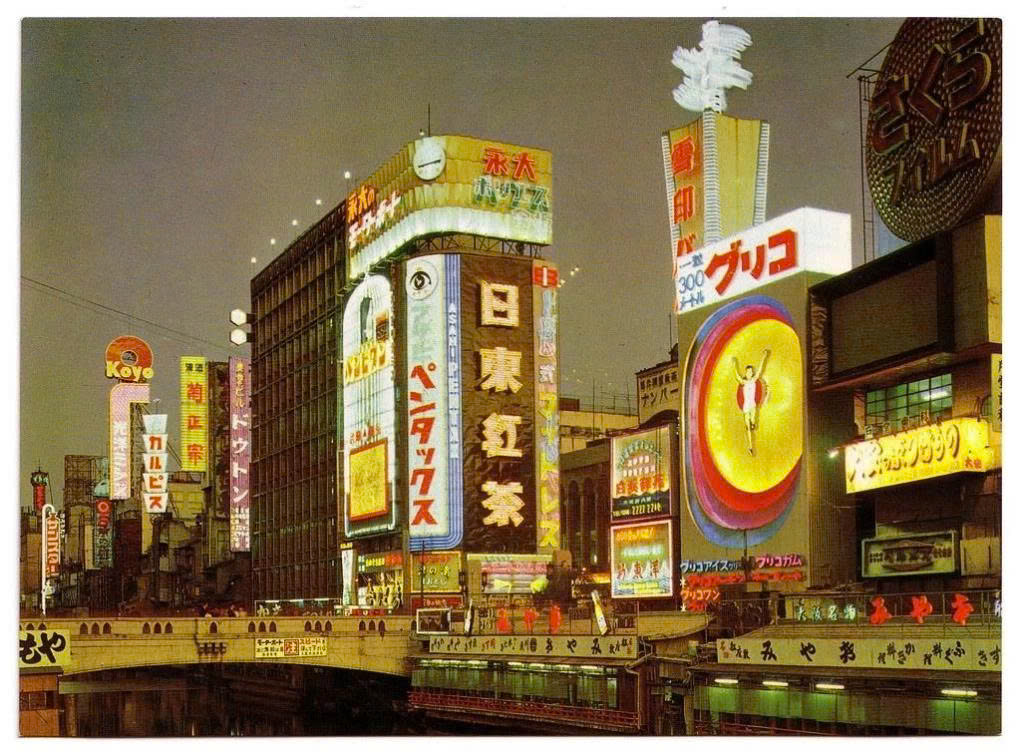
In the heart of Osaka’s vibrant Dotonbori district, where neon lights compete for every inch of the skyline and the aroma of street food fills the air, one figure stands undisputed as the king of the promenade. He is not a movie star or a political leader, but an athlete frozen in a triumphant sprint. For over 91 years, the Glico Running Man billboard has transcended its commercial origins to become the soul of Osaka’s urban identity and a global pilgrimage site for travelers.
To speak of Dotonbori without mentioning the Glico Running Man is to miss the very heart of the district. Perched majestically above the Ebisubashi Bridge, this billboard is arguably the most photographed commercial landmark in all of Japan. While the surrounding landscape of Osaka has shifted through decades of post-war reconstruction, economic bubbles, and technological revolutions, the Running Man has remained a constant.
Since its debut in 1935, it has witnessed the city’s transformation from a pre-war industrial hub to a modern metropolis of lights. While countless other advertisements have been torn down, relocated, or faded into obscurity, this specific sign has maintained its vigil over the canal, serving as a silent witness to the passage of time.
The story of this icon began not with a marketing agency, but with a vision for public health. In the early 1920s, Ri-ichi Ezaki, the founder of the confectionery giant Ezaki Glico, discovered that glycogen—a high-energy carbohydrate—could be extracted from oyster broth. He envisioned a nutritious snack that could improve the health of Japanese children.
The result was the Glico caramel candy. To market this “energy snack,” Ezaki calculated that the calories in a single piece of candy provided exactly enough energy for a person to run 300 meters. This specific scientific claim gave birth to the brand’s enduring slogan: “300 Meters in One Piece.” To visualize this burst of energy, the image of an athlete crossing a finish line with his arms raised in a “V” for victory was created. It was a message of health, vitality, and success—values that resonated deeply with a Japan striving for progress in the early 20th century.
The physical sign itself has never been a static object; it is a living piece of technology. Over the past century, the Glico Running Man has undergone six major “metamorphoses,” each reflecting the cutting edge of lighting technology of its era.

- The Early Era (1935): The original sign featured a simple neon design that was revolutionary for its time, instantly making Dotonbori the “Times Square of the East.”
- Post-War Iterations: After the war, the sign grew in size and complexity, incorporating more intricate neon tubing and moving elements to simulate the runner’s motion.
- The LED Revolution (2014 – Present): The current iteration, the sixth version, was unveiled in 2014. It replaced the traditional neon tubes with a massive, high-definition LED backdrop. This technological leap allowed the “background” of the runner to become dynamic. Depending on the time of day or the season, the Running Man can now be seen sprinting across the landmarks of Osaka, the blue sky, or even special holiday-themed displays.
The history of the Running Man is inextricably linked to the history of Japan itself. In 1943, during the height of World War II, the sign was dismantled. The metal from its structure was reclaimed to support the war effort, leaving a void in the Dotonbori skyline.
However, the disappearance was only temporary. Following the end of the war, as Osaka began the grueling process of rebuilding from the ashes, the Glico Running Man was restored. His return was seen by locals as more than just the return of a candy ad; it was a symbol of the city’s “Rising Phoenix” spirit. The fact that he has remained in the exact same spot for nearly a century—despite real estate fluctuations and urban redevelopment—is a testament to his status as a protected piece of Osaka’s cultural heritage.
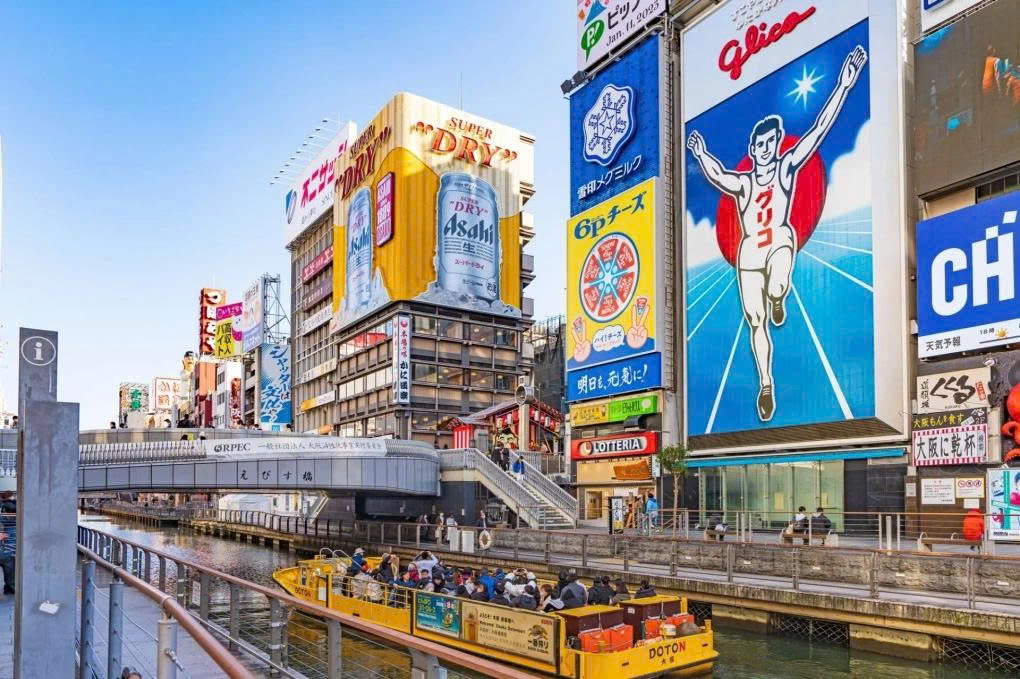
Why has the Glico Running Man survived when so many other famous signs have been removed? The answer lies in three pillars:
- Brand Heritage: Ezaki Glico has maintained a consistent, long-term commitment to this location, treating the sign as a legacy rather than a temporary campaign.
- Urban Identity: The sign has become the visual shorthand for Osaka. Just as the Eiffel Tower represents Paris, the Running Man represents Dotonbori.
- Public Affection: There is a deep-seated emotional connection between the citizens of Osaka and this sign. It has appeared in films, literature, and news broadcasts, becoming a communal landmark that belongs to the people as much as the company.
In the 21st century, this fame has been amplified by the digital age. On platforms like Instagram and TikTok, the “Glico Pose”—standing on one leg with arms stretched high—has become a viral ritual. Every day, thousands of visitors from every corner of the globe gather on Ebisubashi Bridge to recreate the pose, ensuring the Running Man remains relevant to the next generation of travelers.
Navigating the bustling streets of Osaka to find this landmark is a straightforward journey, thanks to the city’s world-class transit system.
Strategic Transit Hubs: The Running Man is located in the Minami (South) district. The most convenient gateway is Namba Station, a massive terminal serving the Subway Midosuji Line, the Sennichimae Line, and various private railways like Nankai and Kintetsu.
- From Shin-Osaka (Shinkansen Hub): Board the Midosuji Line (Red) heading toward Nakamozu. The ride takes approximately 15 minutes.
- From Umeda/Osaka Station: Use the same Midosuji Line; you will arrive at Namba in under 10 minutes.
- From Shinsaibashi: If you are already in the shopping district, simply walk south through the Shinsaibashi-suji covered arcade for about 10 minutes. You will eventually hit the canal where the bridge is located.
Navigating the Station: Namba Station is vast and can be confusing. To save time, look for Exit 14. Once you reach the surface at Exit 14, walk north for roughly 3 to 5 minutes. As you approach the Dotonbori Canal, the Ebisubashi Bridge will appear, and the towering Glico Running Man will be visible on your left, impossible to miss.
Photography Tips: For the best experience, time your visit for the evening. The LED display typically activates 30 minutes after sunset and remains lit until midnight. Using Google Maps with keywords like “Glico Sign” or “Ebisubashi Bridge” will provide real-time walking directions. Whether you are there for the history or the “Gram,” the Running Man continues his eternal marathon, welcoming you to the heart of Osaka.
(According to Echoed Realms, Asahi, Glico)