Navigating the world of tourism taxes in 2026 is becoming a critical step in travel planning as major global cities introduce new visitor levies. Iconic destinations like Edinburgh, Kyoto, and Barcelona are leading this shift, implementing or increasing fees to help local governments grapple with the double-edged sword of popularity. For modern travelers, this means the price of a getaway is set to rise as these cities seek a balance between welcoming guests and protecting their infrastructure.
To bolster local revenue, support public services, or mitigate the effects of “over-tourism,” several world-class destinations have turned to tourist levies. These fees vary in implementation: some are charged as entry fees at the border, while others are added directly to the nightly cost of accommodation.
If you are planning your travels for 2026, here are five destinations where you should budget for these additional costs.
1. Edinburgh, Scotland
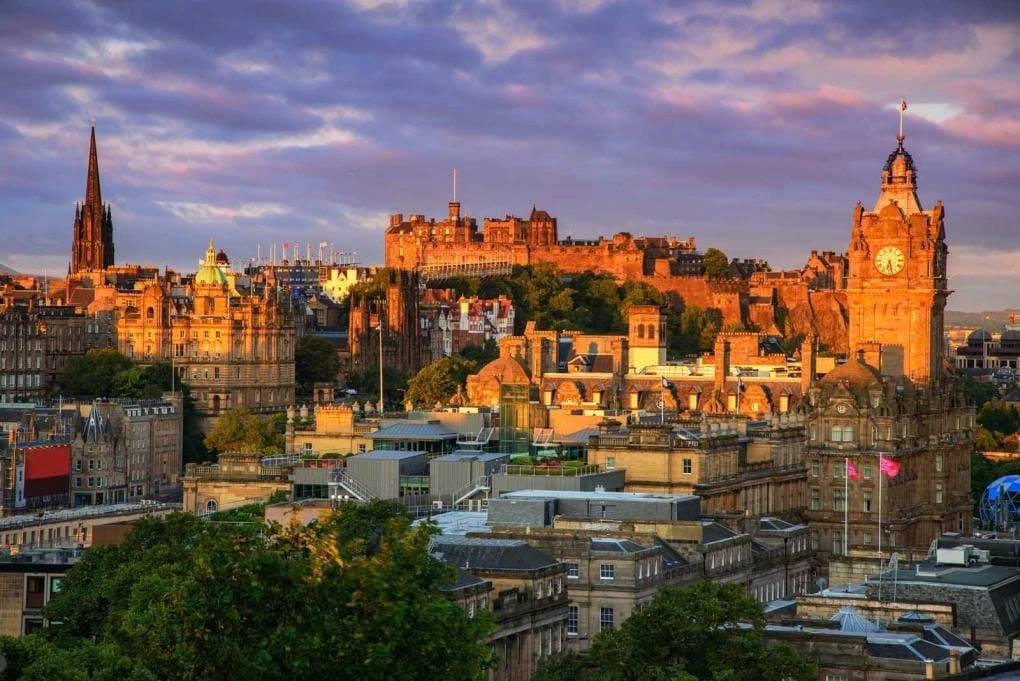
Edinburgh has made history as the first city in Scotland to introduce a visitor levy. Travelers staying in the “Athens of the North” after July 24 will be required to pay an additional 5% tax on their total accommodation cost for the first five consecutive nights of their stay.
The City of Edinburgh Council stated that this fund is designed to “maintain Edinburgh’s status as one of the world’s leading cultural and heritage cities.” The timing is significant, as the city’s infrastructure faces immense pressure during its world-famous summer festival season.
Each year, millions of visitors flock to the city for the Edinburgh International Festival, the Edinburgh Festival Fringe—the world’s largest arts festival—and the Royal Edinburgh Military Tattoo. The council estimates that by 2029, the tax could generate up to $67 million annually. These funds are earmarked for urban infrastructure upgrades and more sustainable tourism management.
2. Barcelona, Spain
Barcelona remains one of Europe’s most visited urban centers, beloved for its surrealist Gaudí architecture and Mediterranean beaches. However, the city has been at the forefront of the “anti-tourism” movement in Europe.
Currently, guests staying in five-star hotels and other luxury establishments pay a regional tourist tax of 3.5 euros (approximately $4) per night. Under a new tax framework for the Catalonia region, this rate for high-end accommodations is expected to double to 7 euros ($8).
While the increase was originally slated for last year, the Catalan government postponed the implementation, which is now expected to take effect in April. This measure follows a wave of intense protests. In the summers of 2024 and 2025, thousands of Barcelona residents took to the streets to protest over-tourism, which many blame for skyrocketing rents and the rising cost of living for locals.
3. Norway

The Norwegian government has passed legislation allowing local municipalities to impose a 3% tax on tourism-related accommodation, including cruise ships and overnight hotel stays.
While the policy begins this year, it is not a blanket nationwide tax. Instead, local regions experiencing significant tourism pressure must apply for permission to implement it. According to Afar travel magazine, iconic locations such as the Lofoten Islands and Tromsø—famous for Northern Lights excursions—have already applied to start charging visitors.
Norway has seen a massive tourism boom recently. Statistics Norway reported that June, July, and August of the past year set records for the number of overnight stays, totaling approximately 17.7 million nights over the summer season. The new tax aims to ensure that the pristine natural landscapes remain protected despite the influx of hikers and cruise passengers.
4. Kyoto, Japan
Japan’s ancient capital, Kyoto, is set to become significantly more expensive for luxury travelers due to a restructured overnight stay tax starting March 1. The tax is applied on a tiered basis, linked to the nightly room rate:
- Budget & Mid-range: Rooms under 6,000 yen (~$38) will maintain a 200 yen ($1.28) tax. Rooms priced between 6,000 and 20,000 yen ($128) will see their tax doubled to 400 yen (~$2.50).
- Luxury Tier: The steepest hikes target high-end visitors. Rooms priced between 50,000 and 100,000 yen ($318–$636) will see the tax jump from 1,000 to 4,000 yen ($6.30–$25).
- Ultra-Luxury: For rooms exceeding 100,000 yen, the tax will increase tenfold to 10,000 yen ($64) per night.
Kyoto officials estimate the adjusted tax will generate roughly 12.6 billion yen ($81 million) per year. The revenue is vital for the city to preserve its historic wooden temples and manage the crowds that often overwhelm the Gion district.

5. Thailand
In 2023, the Thai cabinet approved an entry fee of 300 baht (approximately $10) for international tourists arriving by air, and 150 baht for those arriving by land or sea.
Although the fee was originally expected to launch in 2025, it has faced multiple delays. The hesitation stems largely from a fluctuating tourism recovery. According to the Thai Ministry of Tourism and Sports, visitor numbers toward the end of the previous year showed a 7.25% decline compared to the same period prior.
International tourism is a cornerstone of the Thai economy, driven by its vibrant street food, tropical islands, and ethical elephant sanctuaries. However, EuroNews reports that the 300-baht fee is now firmly scheduled for implementation by mid-2026. The government intends to use the funds for traveler insurance and to fund the maintenance of popular tourist sites.
Summary Table: New Costs for 2026
| Destination | Tax Type | Estimated Cost/Increase |
| Edinburgh | Nightly Levy | 5% of room rate (first 5 nights) |
| Barcelona | Luxury Stay Tax | Increase to 7€ ($8) per night |
| Norway | Local Tourism Tax | Up to 3% of accommodation cost |
| Kyoto | Tiered Stay Tax | Up to 10,000 yen ($64) for luxury rooms |
| Thailand | Entry Fee | 300 baht (~$10) per arrival |
(Source: Business Insider)