Global luggage storage provider Radical Storage recently unveiled a comprehensive ranking of the 10 dirtiest and cleanest cities worldwide, bringing to light a striking contrast: beloved tourist hotspots like Rome and Paris are struggling with sanitation, while Asian and Eastern European capitals like Singapore and Krakow set the gold standard for urban cleanliness.
The findings, published on November 28, are particularly eye-opening as they indicate that the very allure of major tourist destinations often contributes to their poor sanitation scores.
To compile the definitive list, Radical Storage began with the top 100 tourist cities featured in Euromonitor’s prestigious “Top 100 City Destinations Index.” For each city, researchers identified the 10 most popular attractions based on Google ratings. The core of the study lay in analyzing an immense dataset: over 80,000 public reviews.
Specifically, the team scanned 71,692 mentions of the word “clean” and 10,165 mentions of “dirty” within the reviews posted between October 2024 and November of the current year. The reviews were contextually analyzed to classify them as either positive or negative regarding cleanliness. Strict criteria were applied, including the exclusion of cities with fewer than 100 relevant reviews and the removal of ambiguous phrasing (like “not clean”) to ensure accuracy. This rigorous, sentiment-driven methodology provides a unique perspective directly reflecting the real-world experiences of travelers.
Leading the ignominious list is Budapest, Hungary. A staggering 37.9% of reviewers used the word “dirty” across more than 1,600 reviews. This sanitation crisis appears to be a direct consequence of the city’s booming popularity. With Hungarian tourism recording an 8% growth and Budapest itself experiencing a 12% surge in visitor numbers by September, the city’s historic sanitation management system has been overwhelmed, struggling to keep up with the sheer volume of waste generated by its influx of guests.
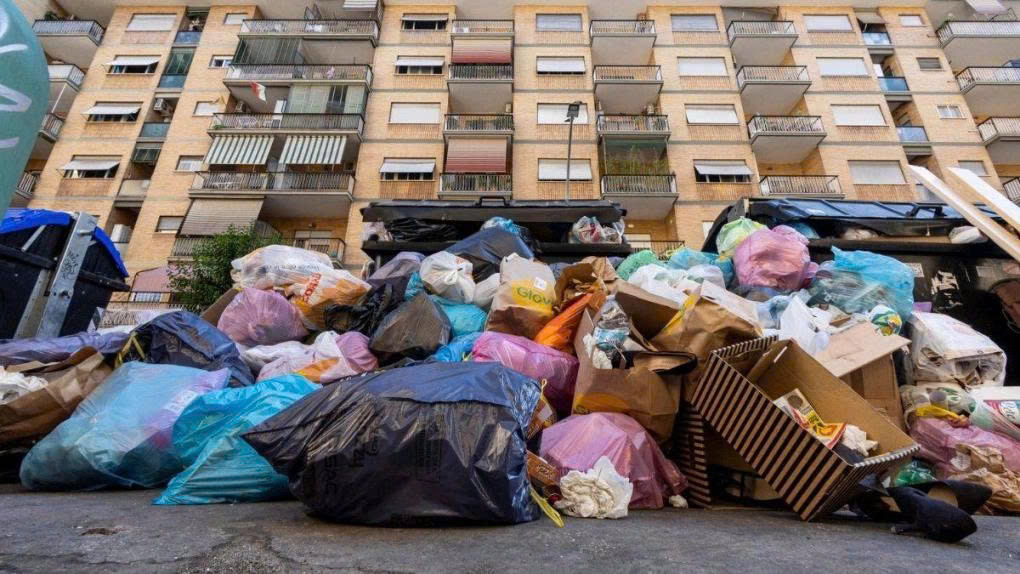
The sanitation challenge is particularly acute in Italy, which occupies four spots in the top 10 dirtiest: Rome (2nd), Florence (4th), Milan (6th), and Verona (7th). These cities, along with Paris (5th), collectively received over 28% “dirty” reviews. The primary issue stems from a conflict between high tourism volume and preserved antiquity. The narrow, historic streets of the ancient urban centers were simply not designed to accommodate modern waste collection infrastructure or the daily footprint of millions of tourists.
In Rome, resident dissatisfaction is palpable, with many expressing frustration over the declining quality of life due to persistent urban pollution and inefficient trash collection. Meanwhile, in Florence, the sheer density of visitors makes routine street cleaning exceptionally challenging. However, the city is attempting to innovate with solutions like AI-powered trash bins designed to streamline waste disposal and engage the public. Similarly, Paris is intensifying its clean-up operations, spurred by a public commitment to elevating its hygienic standards in the wake of hosting the 2024 Olympic Games.
At the opposite end of the spectrum, the ranking celebrates cities that have successfully prioritized public sanitation and maintenance.
Poland stands out with two representatives in the top 10 cleanest: Krakow (ranked 1st) and Warsaw (ranked 4th). This success is not accidental. Over the last decade, Poland has channeled significant investment into modernizing its waste management systems and meticulously maintaining public parks and pedestrian zones. This commitment is validated by independent research; the European Commission’s 2023 report, “Quality of Life in European Cities,” noted that more than 80% of Krakow residents expressed complete satisfaction with their public spaces, including markets and squares—a testament to the effectiveness of these long-term municipal strategies.
Asia confirms its reputation for efficient urban planning with two cities in the top 10: Singapore (3rd) and Fukuoka, Japan (10th). Singapore is often cited globally as the benchmark for a clean, green metropolis. Its astonishingly high rating, indicated by a 98% positive sentiment in the reviews, is the result of a multifaceted strategy. This includes famously strict regulations, such as outright bans on chewing gum and spitting, ambitious green architecture initiatives, and a profound culture of cleanliness that is systematically taught and enforced from a young age. This blend of Draconian laws and deeply ingrained civic responsibility ensures the city operates with near-perfect urban hygiene.
The Radical Storage report underscores a critical lesson for global cities: maintaining historic charm and attracting huge tourist crowds requires equally significant and modern investments in urban infrastructure and public sanitation to avoid a decline in citizen satisfaction and visitor experience.
| 10 Dirtiest Cities | 10 Cleanest Cities |
| Budapest | Krakow |
| Rome | Sharjah |
| Las Vegas | Singapore |
| Florence | Warsaw |
| Paris | Doha |
| Milan | Riyadh |
| Verona | Praha |
| Frankfurt | Muscat |
| Brussels | Dubai |
| Cairo | Fukuoka |
(According to NY Post, Radical Storage)