Eating at tourist traps, shopping exclusively at convenience stores, or exchanging currency at the airport are habits that can significantly inflate your travel budget. Naki, a local travel expert based in Tokyo, Japan identifies common pitfalls and offers strategic suggestions to help international visitors optimize their costs while exploring the Land of the Rising Sun.
1. Dining at Overpriced Restaurants in Tourist Hubs
One of the quickest ways to drain your wallet is by eating at restaurants located in the heart of major tourist attractions. At the famous Tsukiji Outer Market, for instance, shops catering specifically to tourists may charge upwards of 4,400 yen for a single seafood bowl (Kaisendon).
In contrast, right within the same vicinity, local eateries such as Matako Yaunten offer similar, high-quality dishes for only 800 yen (approx. $5.50). Similarly, in the historic district of Asakusa, prices at restaurants facing the main temple gates are often double the standard rate.
Naki’s Pro-Tip: Use Tabelog (Japan’s most reliable restaurant review site) to check expected price ranges and star ratings. Establishments rated 3 stars or higher usually guarantee a balance of quality and fair pricing.
2. Relying Solely on Convenience Stores
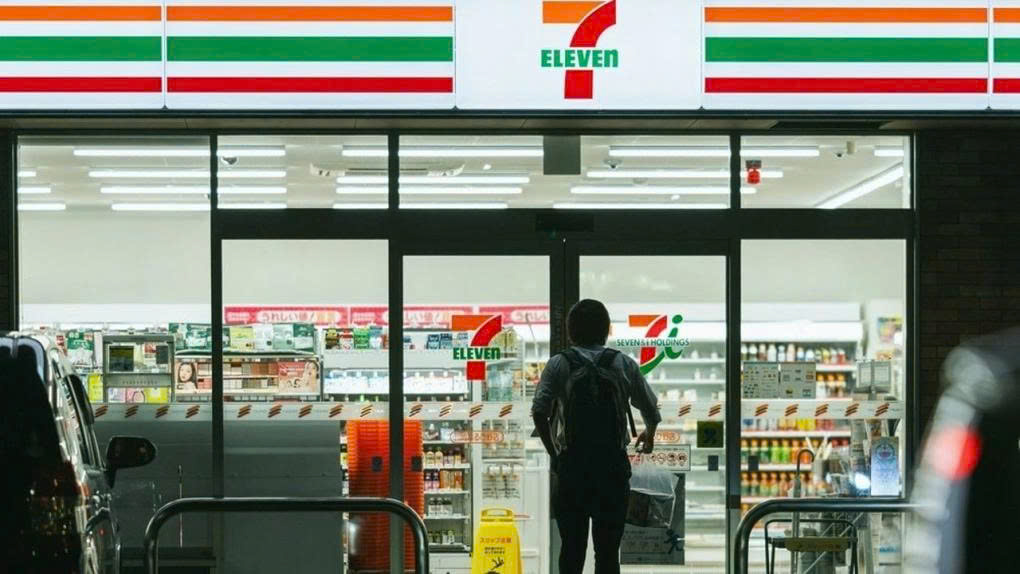
While Japanese Konbini (convenience stores) like 7-Eleven, Lawson, and FamilyMart are world-famous for their quality, they are not the most economical choice for every purchase. On average, prices at convenience stores are 30% higher than at local supermarkets.
By comparing everyday items such as bottled tea, cup noodles, potato chips, coffee, and beer, the price difference can reach up to 221 yen per item. For a family or a long-term traveler, this adds up quickly.
Naki’s Pro-Tip: Look for supermarket chains like Aeon, Seiyu, or My Basket. These stores stay open late and offer a much wider variety of snacks and food items that are perfect for souvenirs at a fraction of the cost.
3. Buying SIM Cards at the Airport
Airports are hubs of convenience, but they are also hubs of high markups. Purchasing a physical SIM card at a landing kiosk is often significantly more expensive than other alternatives. Furthermore, you may find yourself waiting in long queues after a tiring flight.
Naki’s Pro-Tip: Research and purchase your connectivity options in advance. eSIMs are the modern traveler’s best friend; they can be bought online and activated the moment you touch down in Japan, saving both time and money.
4. Ignoring Tax-Free Shopping Opportunities
Missing out on Japan’s 10% consumption tax refund is a common mistake that costs tourists a substantial amount of money. The policy is generous: visitors staying for less than six months who spend 5,000 yen or more (tax excluded) at a single participating store in one day are eligible for a refund.
Japan employs two main methods for tax-free shopping: an immediate deduction at the cashier or a refund processed at a dedicated counter. Major retailers like Bic Camera, Yodobashi Camera, Don Quijote, and Matsumoto Kiyoshi are staple stops for tax-free deals.
Naki’s Pro-Tip: Always carry your physical passport (copies are usually not accepted). Remember, tax-free consumables (like snacks or cosmetics) are sealed in special bags—do not open them until you have left the country, or you may be required to pay the tax back at customs.
5. Overspending on High-Priced Dinners
In Japan, the same restaurant often serves the same quality of food at vastly different prices depending on the time of day. Dinner prices are almost always higher than lunch prices.
For example, at the popular grill chain Yakiniku King, an all-you-can-eat lunch is priced at 2,000 yen, while the dinner set jumps to over 3,000 yen. High-end sushi establishments follow an even steeper curve: a premium lunch might cost 3,000 yen, whereas the dinner omakase could soar to 8,000 yen or more.
Naki’s Pro-Tip: Plan your day like a local. Engage in sightseeing during the morning and evening, and use the midday period to sit down for a “luxury” lunch at a bargain price.
6. Staying in “Too Good” Locations
Staying in the heart of Shinjuku or Ginza is convenient, but you pay a massive premium for the address. Naki points out that a hotel in Shinjuku on a weekend can cost around 26,000 yen for two people. However, in an area like Kamata, the price drops to just 16,000 yen.
Thanks to Tokyo’s world-class transit system, the commute from Kamata to the bustling center of Shinjuku takes only about 23 minutes.
Naki’s Pro-Tip: Don’t be afraid to book accommodation in “secondary” hubs. As long as your hotel is within a 20-minute train ride of a major station, you can save thousands of yen per night without sacrificing accessibility.
7. Paying for Expensive Hotel Breakfasts
Hotel breakfast packages often add an extra 2,000 to 3,000 yen per person to your bill. While convenient, these buffets often lack the charm and value of local breakfast culture.
Naki’s Pro-Tip: Visit local “Kissaten” (coffee shops). Komeda’s Coffee, for example, offers a famous “Morning Service” where you only pay for a drink (around 600 yen) and receive toasted bread and a boiled egg for free. Even a fancy cream soda is only around 720 yen, providing a much more authentic and affordable start to your day.
8. Exchanging Currency at Airport Counters
Airport exchange booths often offer some of the worst rates due to high service fees and unfavorable margins.
Naki’s Pro-Tip: If you need cash, use the 7-Eleven (7-Bank) ATMs found in almost every convenience store. They operate 24/7, support international cards, and usually offer much better rates than airport counters. As a rule of thumb, carry about 5,000 yen in cash per day for small shops and temples that don’t accept cards.
9. Failing to Book Attraction Tickets in Advance
Buying tickets at the gate is not only a gamble—as popular spots can sell out—but it is also more expensive. For instance, a “same-day” ticket for Tokyo Skytree costs 3,500 yen, but an “advance” ticket is only 3,100 yen.
Naki’s Pro-Tip: Use platforms like Klook or the official attraction websites to book at least a few days ahead. This not only saves money but also allows you to skip the long ticket-purchase lines.
10. Traveling During Peak Seasons
Traveling during peak times causes the cost of everything—flights, hotels, and even some entrance fees—to skyrocket. High-traffic periods to avoid include:
- Cherry Blossom Season (Late March to April)
- Golden Week (Late April to early May)
- Obon Festival (Mid-August)
- New Year/Christmas
Naki’s Pro-Tip: Consider visiting in June, September, or November. During these months, the weather is pleasant, the crowds are thinner, and prices are significantly lower. You’ll have a much easier time taking photos and enjoying a peaceful, local experience.
(According to House Japan)