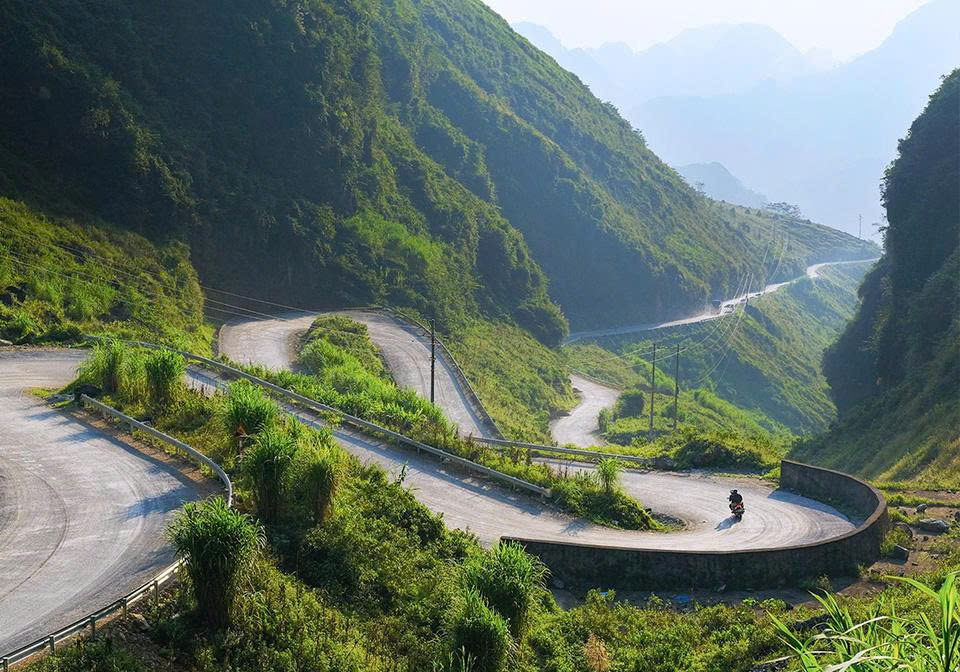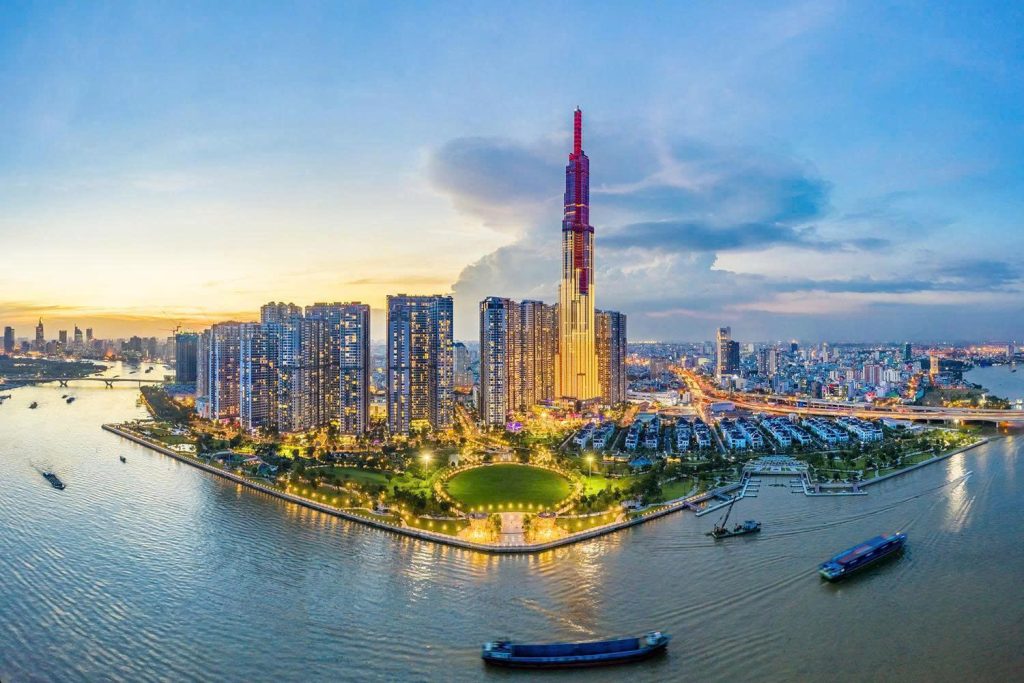
Vietnam Public Transportation Guide is essential for anyone looking to navigate the country’s vibrant and sometimes chaotic transportation landscape, which can seem daunting at first but is truly an adventure in itself. For the intrepid backpacker traveling on a shoestring budget, the extensive network of local buses and affordable motorbikes offers a raw and exciting way to see the country. Meanwhile, travelers seeking a more relaxed pace can opt for the comfort of modern domestic flights or private car services. By mastering the nuances of these various modes of transport, you will not only save significant amounts of money but also gain the confidence to explore beyond the typical tourist hotspots.
Beyond the logistical benefits, choosing local transit allows you to immerse yourself fully in the authentic Vietnamese travel experience. From the bustling, neon-lit city buses of Hanoi and Ho Chi Minh City to the nostalgic charm of a scenic overnight train journey along the coast, every ride tells a story of the local culture. You’ll find yourself sharing space with friendly locals, witnessing breathtaking landscapes through cabin windows, and discovering hidden gems that are often missed by those who rely solely on private tours. Embracing the rhythm of local life through its transit systems transforms a simple commute into one of the most memorable parts of your journey across this beautiful nation.
1. Getting Started: An Overview of Transportation in Vietnam
Travelers in Vietnam can find a wide array of transport methods, suitable for every budget and personal style. The choice often depends on whether you’re traveling between major cities or exploring a specific town.
- Long-Distance Travel: For journeys between cities, your primary options are domestic flights, trains, and sleeper buses.
- Intra-City Travel: Within cities like Hanoi, Ho Chi Minh City, or Da Nang, you’ll rely on motorbike taxis, taxis, ride-hailing apps, and local buses.
2. Long-Distance Transportation: Connecting the Country
2.1. Domestic Flights: The Fastest Option
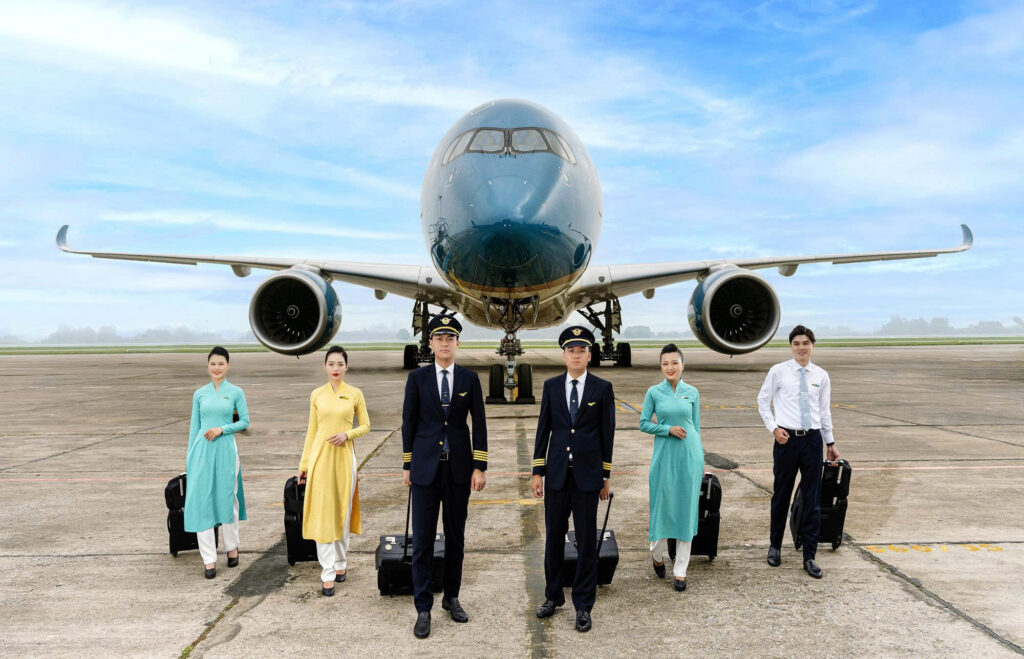
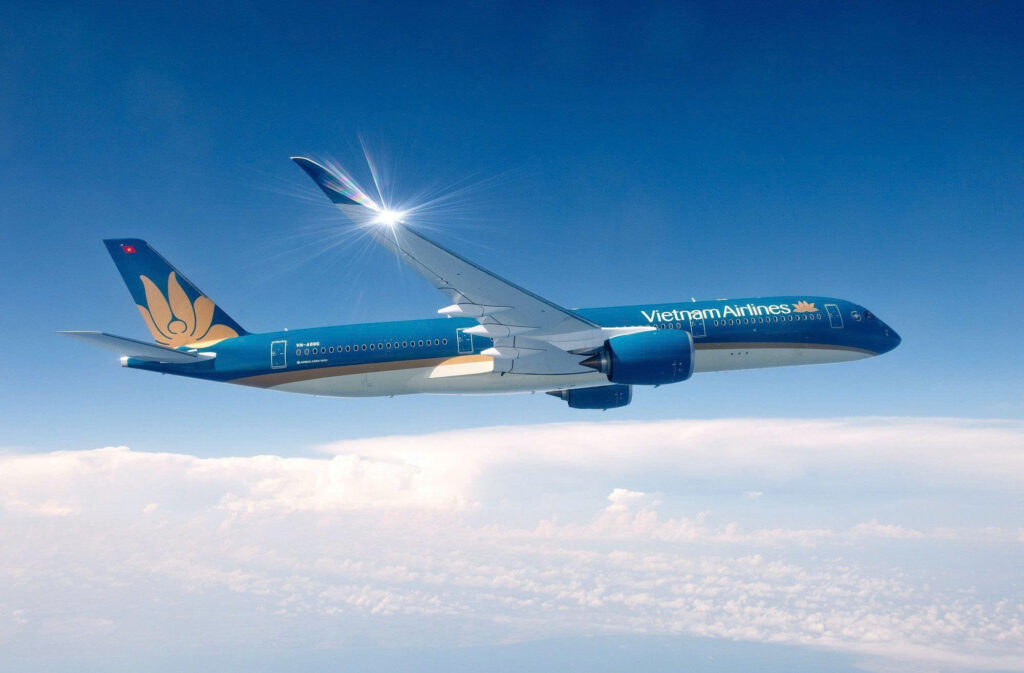
For travelers short on time, flying is the most efficient way to cover long distances, especially between Hanoi in the north and Ho Chi Minh City in the south.
- Key Airlines: The main domestic carriers are Vietnam Airlines (the national flag carrier), Vietjet Air, and Bamboo Airways.
- Popular Routes:
- Hanoi (Noi Bai Airport) to Ho Chi Minh City (Tan Son Nhat Airport)
- Hanoi to Da Nang
- Ho Chi Minh City to Phu Quoc Island
- Pro-Tip: Book your flights in advance, especially during peak seasons like the Lunar New Year (Tết Holiday), to secure the best prices.
2.2. Trains: A Scenic and Comfortable Journey

The “Reunification Express” railway runs the length of Vietnam, offering a classic and memorable travel experience.
- Why choose trains? It’s a great way to see the stunning Vietnamese countryside and is generally safer and more comfortable than buses for overnight travel.
- Ticket Classes: You can choose from hard seat, soft seat, hard sleeper, or soft sleeper cabins. The soft sleeper is highly recommended for overnight journeys.
- Booking: Tickets can be purchased directly at train stations or online through the official Vietnam Railways website.
2.3. Sleeper Buses: The Budget-Friendly Choice
Sleeper buses are a popular and economical option for traveling between cities. These buses feature reclining beds rather than seats.
- Key Operators: Reputable companies include Futa Bus Lines (Phương Trang) and Thanh Buoi.
- Popular Routes: Hanoi to Sapa, and Ho Chi Minh City to Nha Trang or the Mekong Delta.
- Safety Note: Always choose a well-known company and be aware of your belongings, especially on overnight trips.
3. Getting Around the City: Local Transport
3.1. Ride-Hailing Apps: The Modern Standard
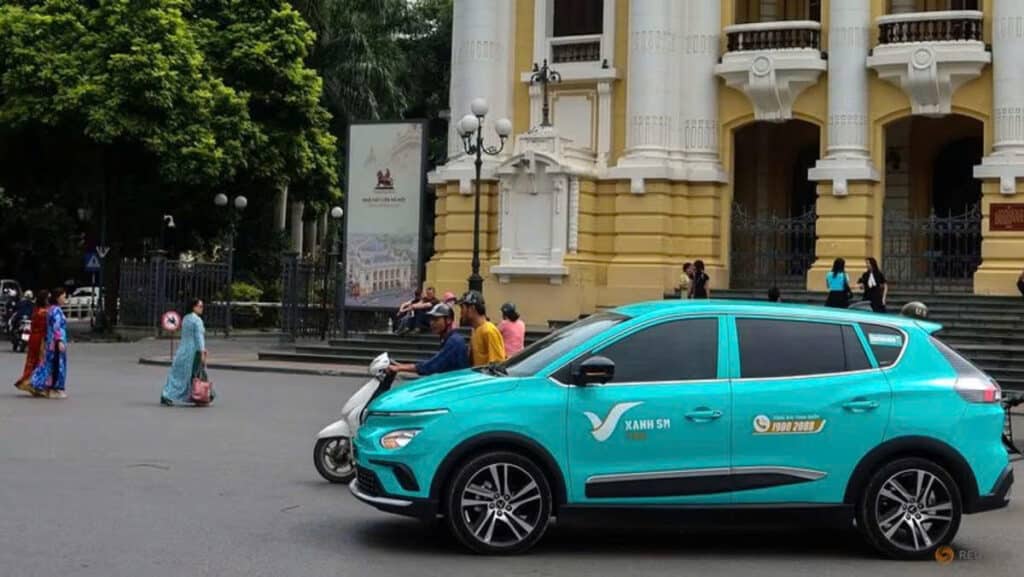
Ride-hailing apps have revolutionized urban transport in Vietnam, offering a convenient and transparent way to travel.
- Main Apps: Xanh and Grab are the undisputed market leader. They offer both motorbike taxis and car taxis.
- Why use them? The price is fixed upfront, and you can pay with cash or a card linked to the app. This eliminates the risk of being overcharged.
3.2. Motorbike Taxis (Xe Ôm)
Before the rise of Grab, the xe ôm (motorbike taxi) was the quintessential Vietnamese mode of transport. While less common now, you can still find them on street corners.
- How it works: Negotiate the price before you start your journey. It’s often cheaper than a regular taxi for short distances.
3.3. Taxis
Traditional taxis are widely available in all major cities. Look for reputable brands to ensure a fair fare.
- Trusted Brands: When looking for a taxi, Mai Linh and Vinasun are the two most trusted and biggest brands. Always insist on using the meter.
3.4. Local Buses: The Ultra-Budget Option
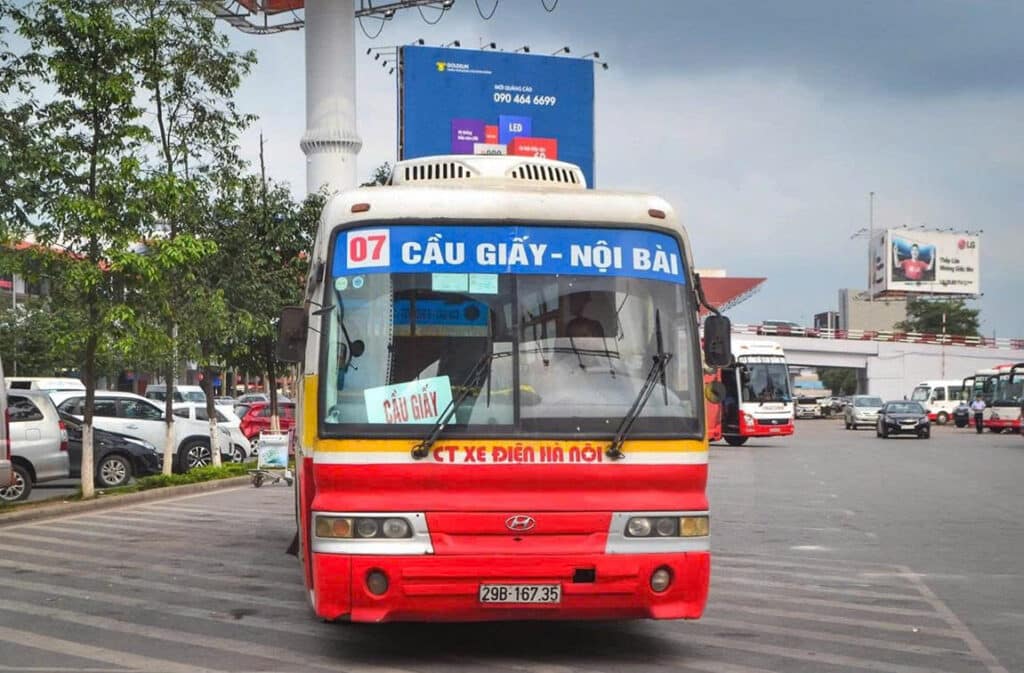
Local buses are extremely cheap, but navigating the routes can be challenging for foreigners. They are a good option for short, specific journeys.
- Tools: Use apps like BusMap in Hanoi and Ho Chi Minh City to check routes and bus times.
4. Other Unique Transportation Experiences
- Motorbike Rental: For experienced riders, renting a motorbike offers the ultimate freedom to explore.
- Requirements: You’ll need a valid international driving permit.
- Entities: Many local shops and hotels offer rentals.
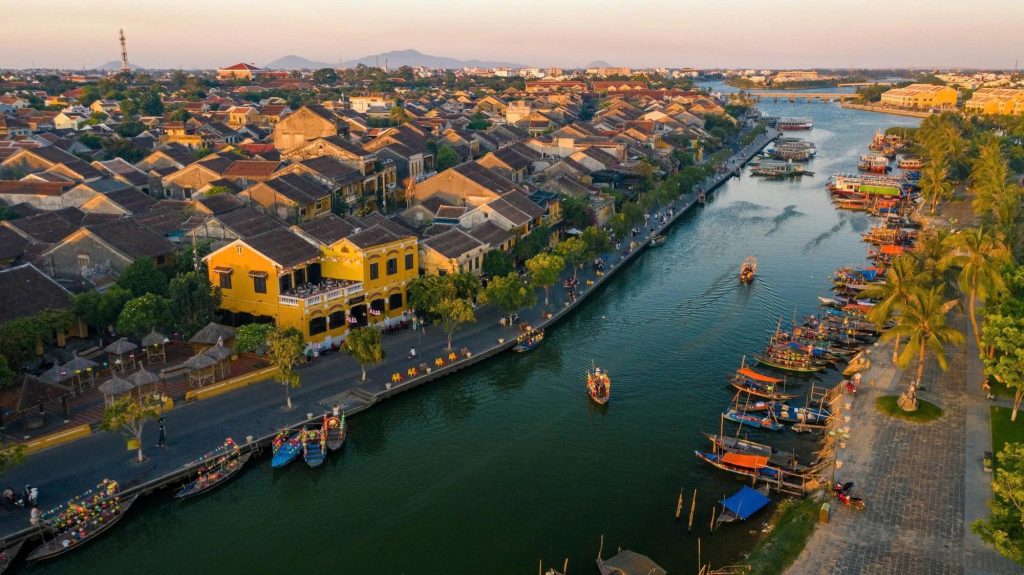
- Cyclo: The traditional three-wheeled rickshaw is a popular, leisurely way to sightsee, especially in tourist areas like Hoi An and Hanoi’s Old Quarter.
- Ferries: Used for reaching islands like Phu Quoc and Con Dao, or crossing rivers in the Mekong Delta.
5. Essential Tips for a Smooth Journey
- Safety First: Be vigilant with your belongings, especially in crowded areas and on overnight transport.
- Helmet Use: Always wear a helmet when on a motorbike, even as a passenger. It’s the law.
- Book in Advance: For popular routes and during holidays, booking your tickets a few days in advance is highly recommended.
- Language Barrier: Have the address of your destination written down or saved on your phone to show drivers.
RELATED: Hanoi Travel Guide: Discover Vietnam’s Ancient Heart
Vietnam’s public transportation is an adventure in itself. From the bustling streets of Hanoi to the peaceful countryside, getting around like a local connects you to the country’s heart. By embracing a mix of buses, trains, and motorbikes, you’ll not only save money but also create unforgettable memories. So, ditch the traditional tourist routes and hop on board for a truly authentic Vietnamese experience.