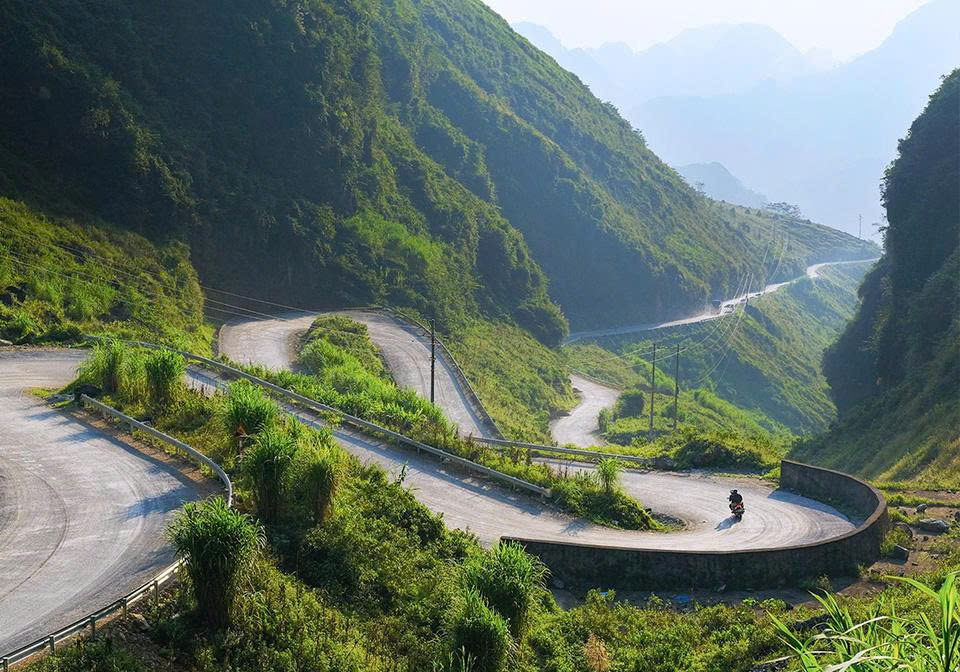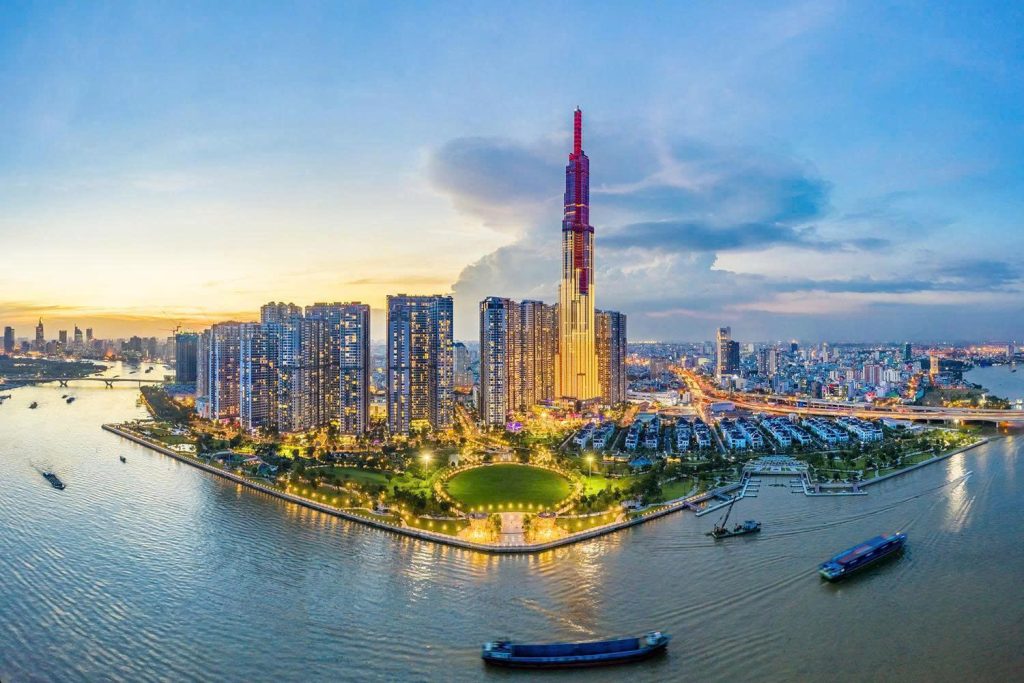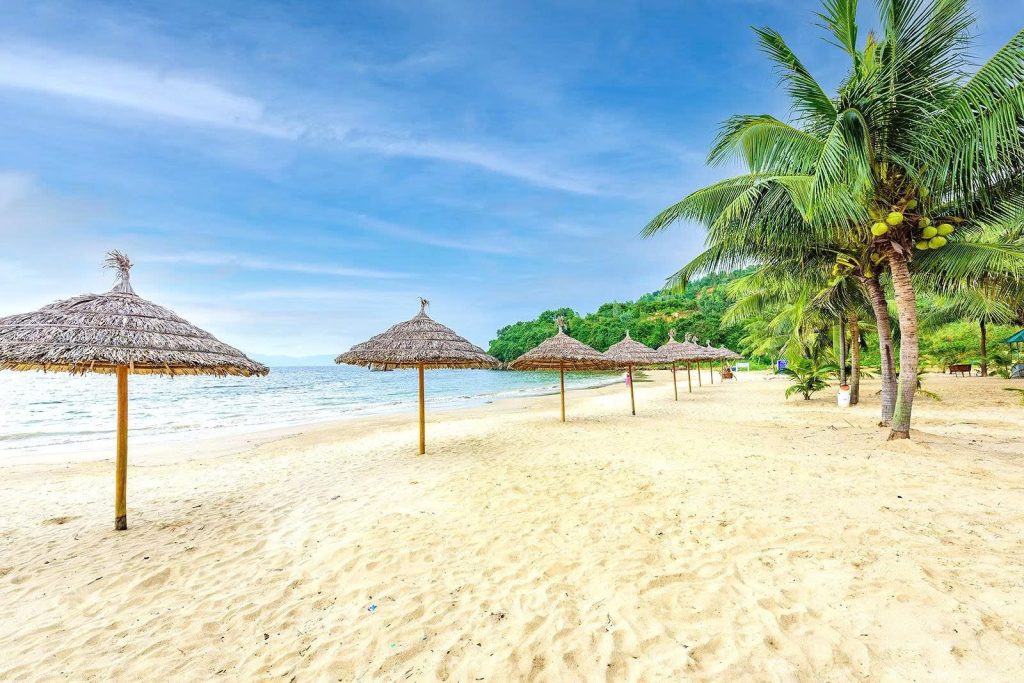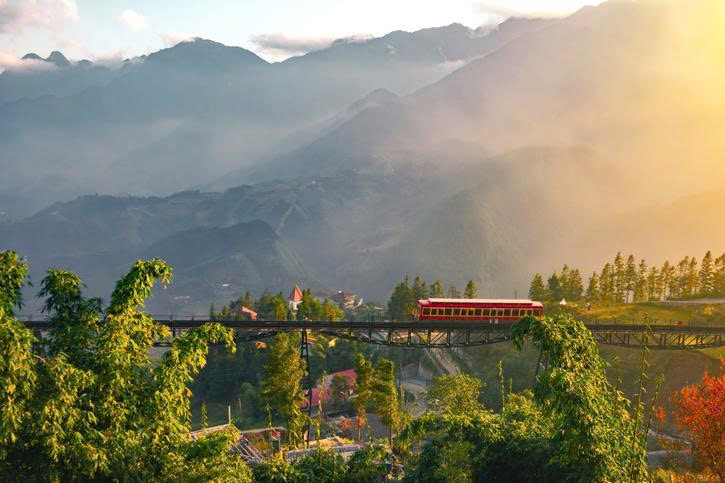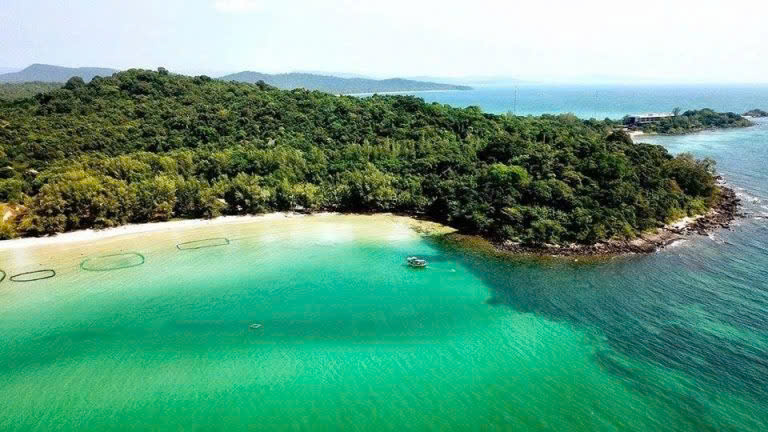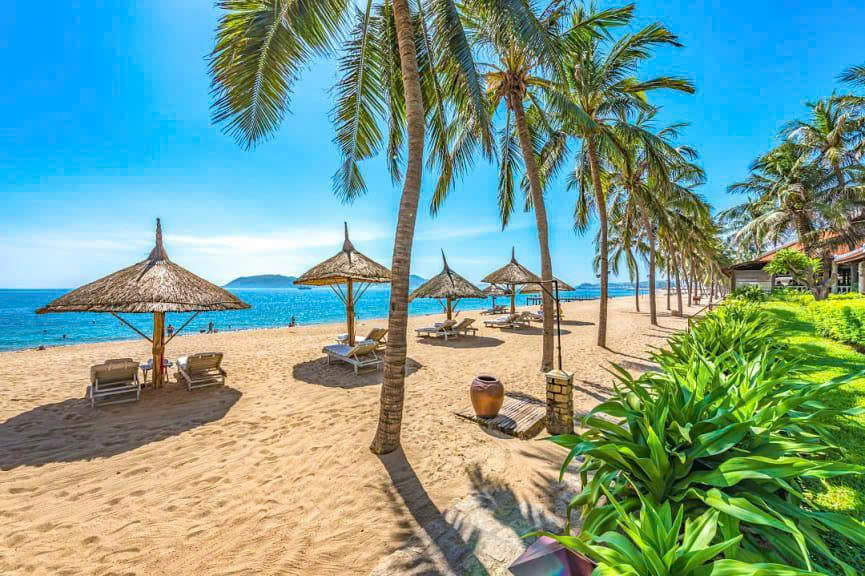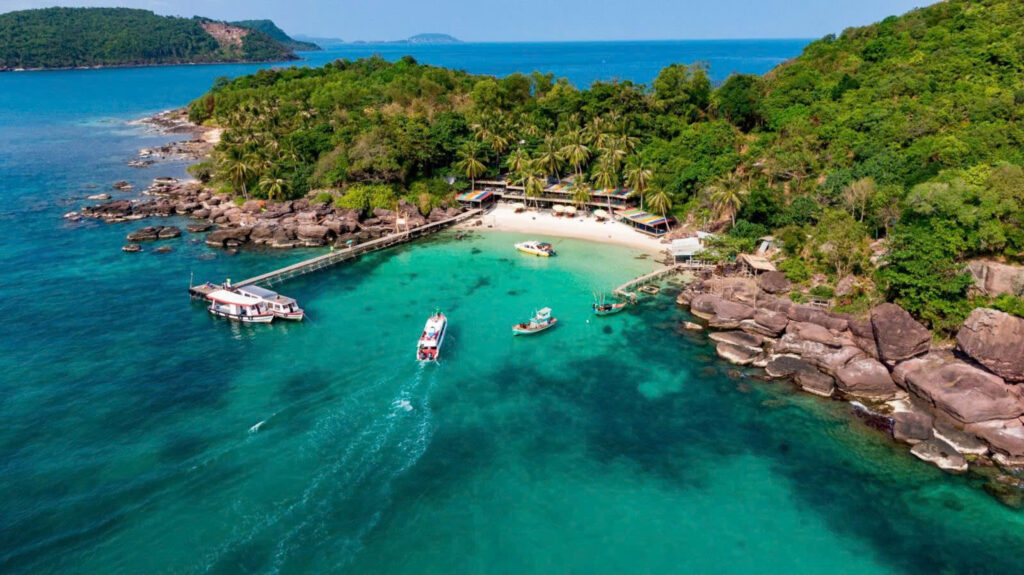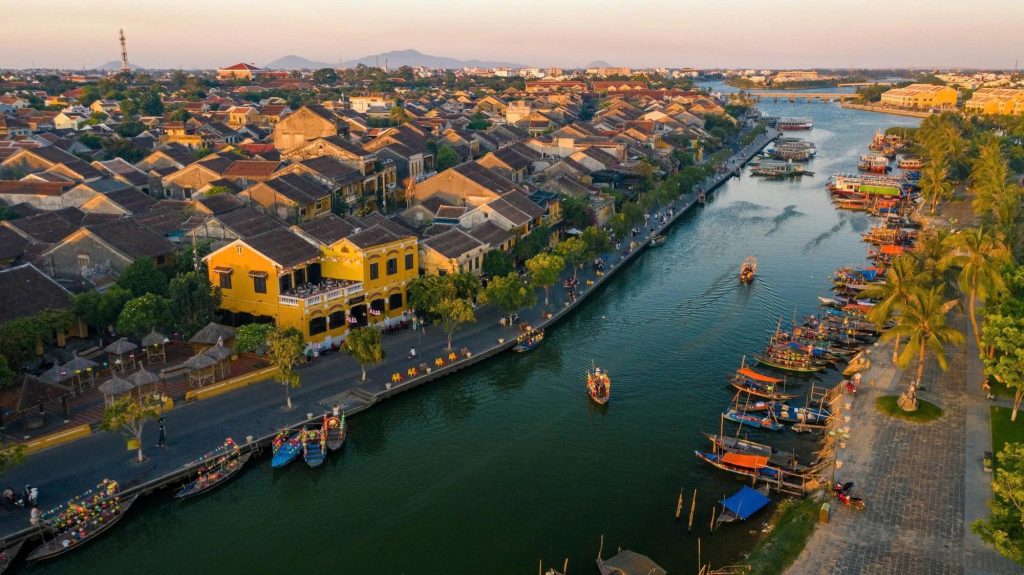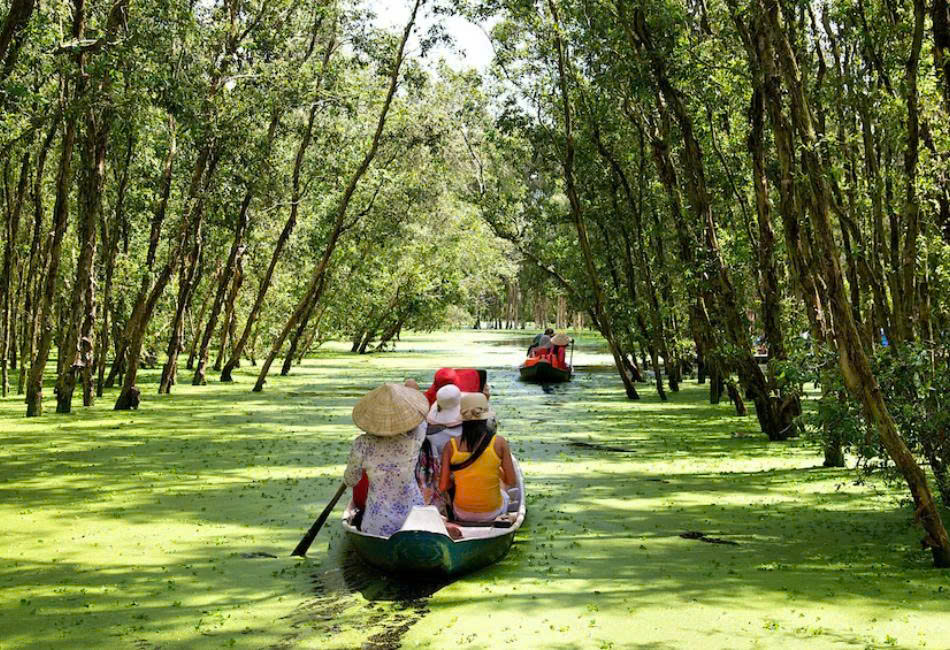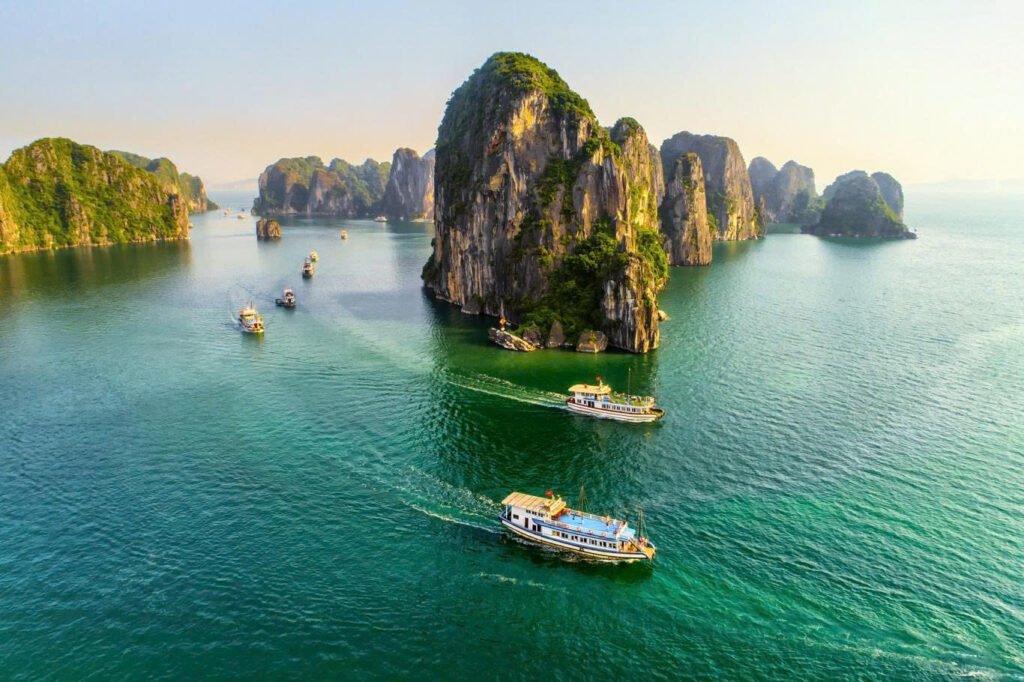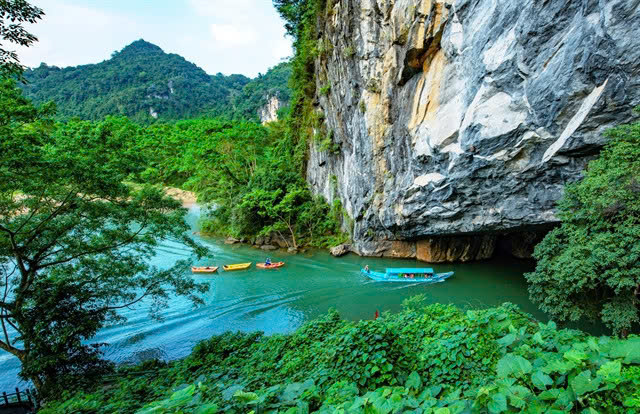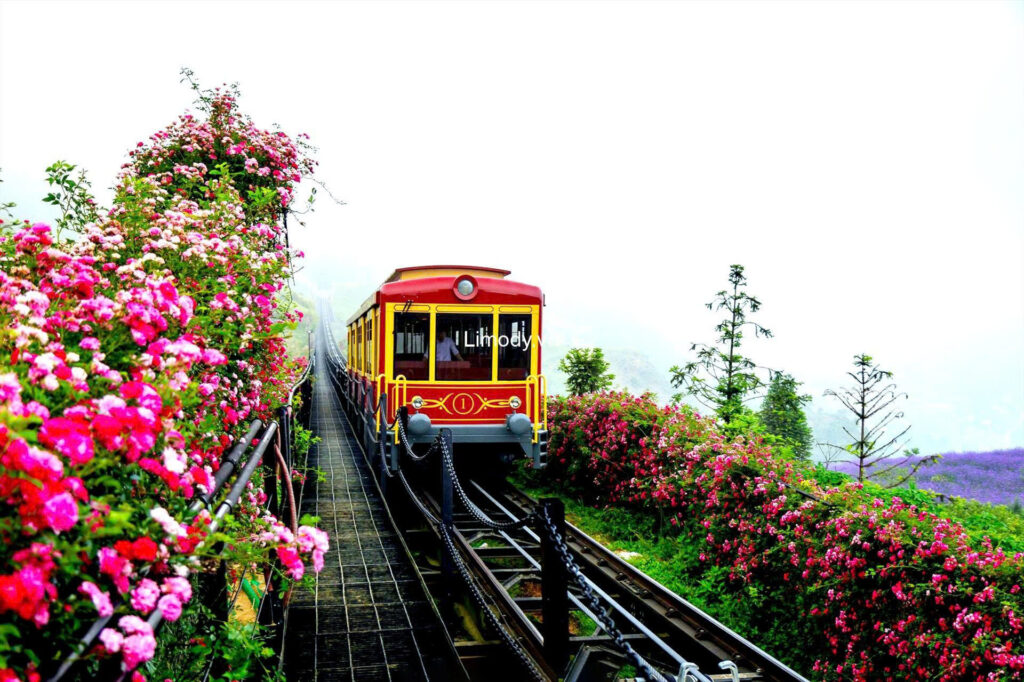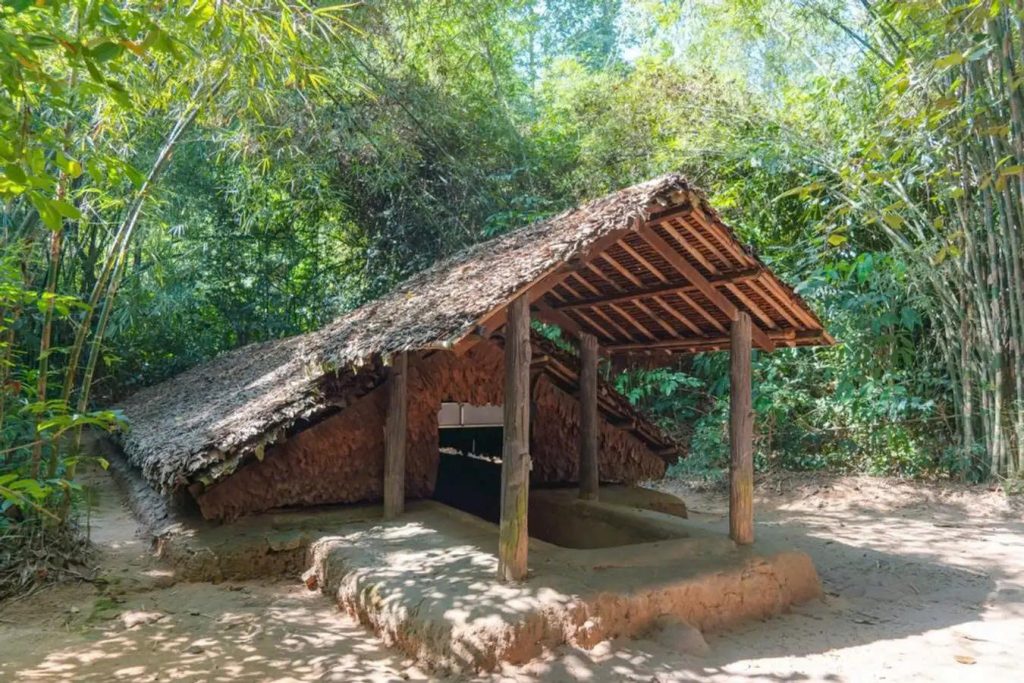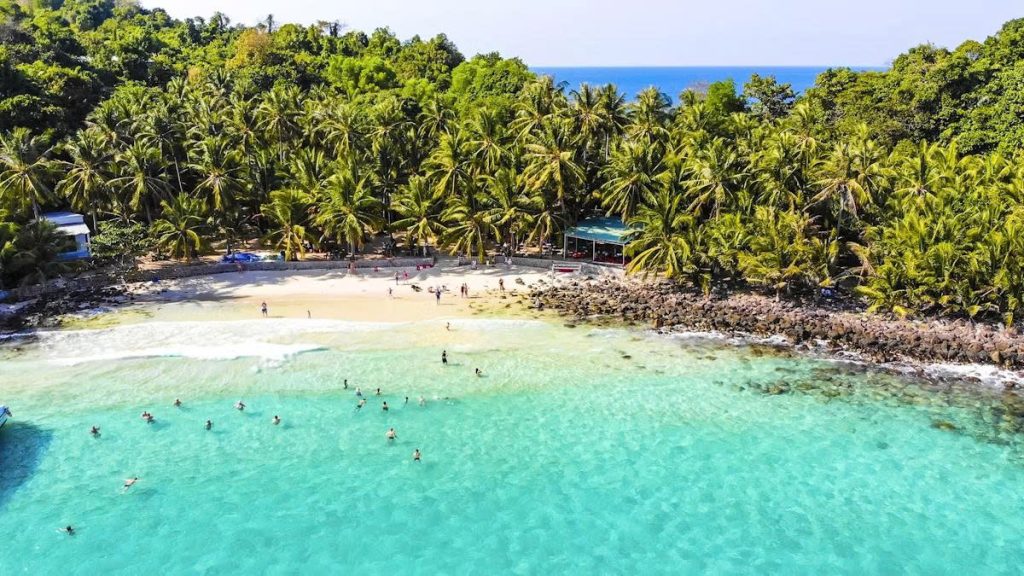
Starting a Vietnam Adventure is an experience of stepping into a spellbinding land that blends ancient history, modern vibrancy, breathtaking natural wonders, and world-renowned cuisine. From the misty mountains of Sapa to the bustling, scooter-filled avenues of Ho Chi Minh City, and the serene limestone karsts of Ha Long Bay, the country promises an adventure that engages all the senses.
However, to truly unlock the magic of this Southeast Asian jewel and ensure a smooth, worry-free, and memorable experience, thorough preparation is paramount. This comprehensive guide delves into every essential detail you need to know, serving as your in-depth checklist for getting ready for your unforgettable Vietnamese journey.
1. Essential Documentation and Visa Navigation
The foundation of any successful international trip is having your paperwork in order. For Vietnam, this involves several critical steps:
Visa Requirements: Know Before You Go
Vietnam has complex, but navigable, visa rules. Do not assume you are exempt.
- Visa Exemptions: A select number of nationalities (e.g., UK, France, Germany, Italy, Spain, South Korea, Japan) are granted unilateral visa exemptions for short stays, typically 15 to 45 days. Check the exact, current maximum stay for your passport well in advance.
- e-Visa: The Vietnamese e-Visa system is the most common route for tourists. It allows for a maximum stay of 90 days and is available for citizens of many countries. Apply directly through the official government portal. Start this process at least 3 weeks before your flight to account for processing time, though it is usually much faster.
- Visa on Arrival (VOA): While once popular, VOA now requires a pre-approved “Approval Letter” obtained from a legitimate travel agency before you depart. This letter allows you to receive the visa stamp upon landing at one of Vietnam’s international airports.
- Passport Validity: This is non-negotiable. Your passport must have at least six months of validity remaining from your planned date of arrival in Vietnam. Airlines will often deny boarding if this condition is not met. Additionally, ensure you have a minimum of two blank pages for entry and exit stamps.
RELATED: Definitive Guide to the Cu Chi Tunnels: History, Experience & Tips
Safeguarding Your Travel
- Comprehensive Travel Insurance: This is not an optional extra; it is essential. Your policy should cover:
- Medical Emergencies and Evacuation: The cost of medical care and emergency transport can be astronomical without coverage.
- Trip Cancellation/Interruption: Protects your financial investment if you have to cancel or cut your trip short due to unforeseen circumstances.
- Lost/Delayed Baggage and Personal Liability.
- Tip for Motorbike Users: If you plan to rent or ride a motorbike, ensure your policy explicitly covers accidents involving motorcycles, and that you possess the necessary international driving permit and local license endorsement (see section 6).
- Digital and Physical Copies: Prepare both digital and physical copies of your most vital documents: passport, visa, flight itinerary, and insurance policy. Store the physical copies separately from the originals. Keep digital copies stored securely in the cloud or on a password-protected device, accessible offline.
2. Finances and Managing the Vietnamese Đồng (VND)
Navigating currency is simple once you understand the denominations. The local currency is the Vietnamese Đồng (VND), which has a very high denomination rate.
Currency Exchange and Familiarization
- Understanding the VND: You will be dealing with large numbers—10,000 VND, 50,000 VND, 100,000 VND, and 500,000 VND are common notes. Familiarize yourself with the banknotes (especially the 500,000 VND and 20,000 VND notes, which can look similar to a quick glance) to avoid confusion when paying.
- Exchange Points: While you can exchange a small amount at your home country, the best rates are generally found at:
- International Airports: (Hanoi, Da Nang, HCMC) The rates are competitive and convenient upon arrival.
- Gold Shops: Often offer slightly better rates than banks, especially in major tourist hubs and near markets.
- Major Banks (e.g., Vietcombank, ACB).
Debit and Credit Cards
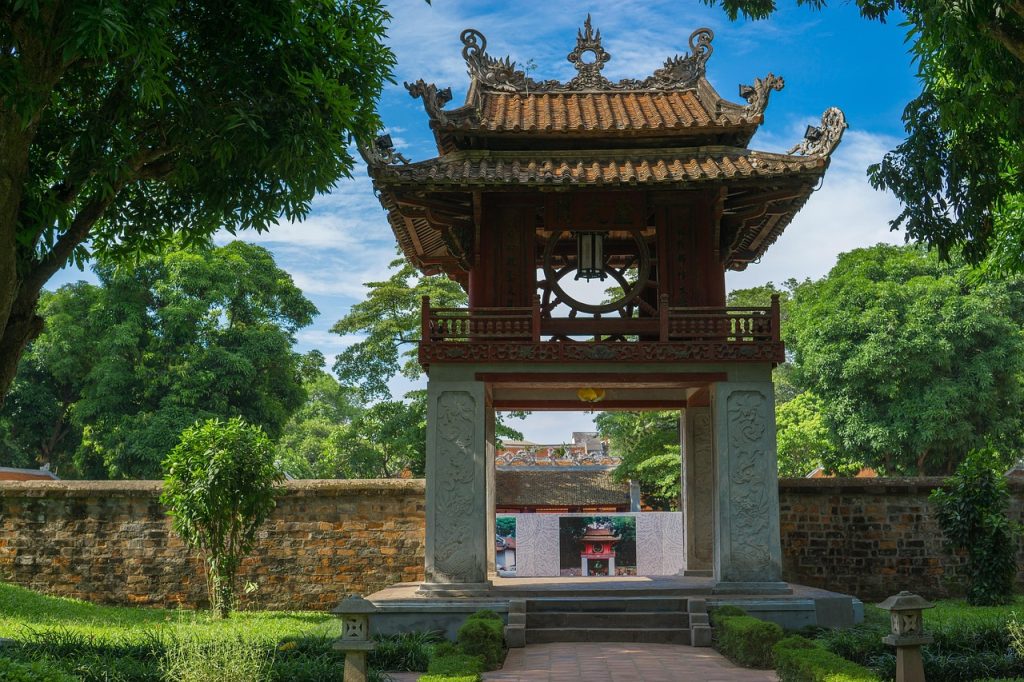
- Usage: Credit and debit cards (Visa/Mastercard) are widely accepted in major hotels, modern restaurants, high-end shops, and international supermarkets in major cities (Hanoi, HCMC, Da Nang).
- ATMs: ATMs are ubiquitous in urban areas. Be aware that most Vietnamese banks impose a low withdrawal limit (e.g., 2,000,000 VND to 3,000,000 VND, or approximately $80–$120 USD) per transaction and charge a small fee, in addition to any fees from your home bank.
- Cash is King: Always carry cash for street food, local markets, taxis, small guesthouses, and travel in rural areas.
Bank Notification
- Crucial Step: Always notify your bank or card issuer about your travel dates and destinations. Failure to do so can result in your cards being blocked due to suspicious foreign activity, leaving you temporarily stranded without access to funds.
RELATED: Hanoi Travel Guide: Discover Vietnam’s Ancient Heart
3. Packing Essentials: Comfort in the Tropics

Vietnam’s climate is largely tropical, requiring smart and minimalist packing.
Clothing for All Zones
- The South (HCMC & Mekong Delta): Hot and humid year-round. Pack light, loose-fitting, breathable fabrics (cotton, linen).
- The North (Hanoi, Sapa, Ha Long): Has four distinct seasons. While summers are hot and wet, winter (Dec–Feb) can be surprisingly cool, especially in Hanoi and very cold in the mountains. Pack a light jacket, a sweater, or layers, particularly if traveling during this period.
- Rain Gear: If traveling during the rainy season (May–October, varying by region), a light, compact raincoat or poncho is invaluable.
- Modesty: Include clothing that covers your shoulders and knees for visiting temples, pagodas, and some religious sites.
Footwear
- Comfort is Key: You will do a lot of walking. Bring sturdy, comfortable walking shoes.
- Versatility: Sandals or flip-flops (known as “thongs” locally) are ideal for guesthouses, beaches, and quick trips outside.
Health and Electronics Kit
- Medication: Carry an adequate supply of any prescription medications, along with a doctor’s note. Over-the-counter essentials like pain relievers, anti-diarrhea medication, and motion sickness tablets are highly recommended.
- Sun Protection: High SPF sunscreen and a wide-brimmed hat are vital. The sun’s intensity is deceptively strong.
- Insect Repellent: Essential for evenings, especially in rural areas or during the rainy season, to guard against mosquito-borne illnesses.
- Universal Adapter: Vietnam uses the Type A (two flat parallel pins) and Type C/F (two round pins) sockets. A universal adapter is the safest bet.
- Portable Charger (Power Bank): Indispensable for charging your phone while using maps and translation apps on the go.
RELATED: Vietnam Travel Outfit Ideas: What to Pack and Wear
4. Health and Safety Precautions
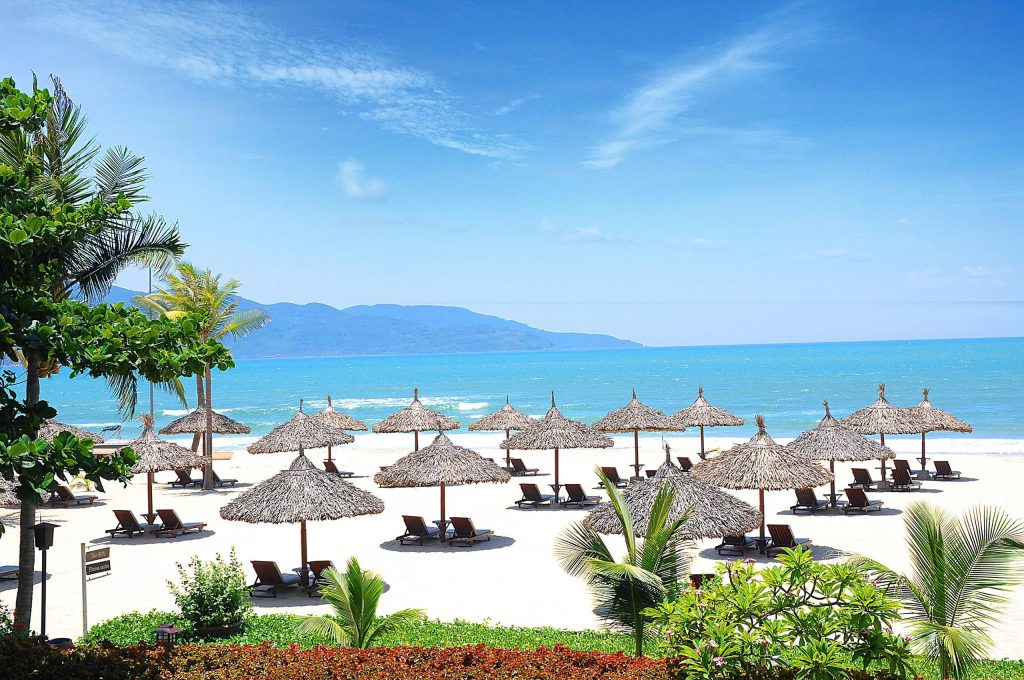
A healthy traveler is a happy traveler. A few proactive steps can save a lot of trouble.
Vaccinations and Consultations
- Medical Consultation: Consult your travel doctor or clinic at least 6–8 weeks before your trip. They will recommend routine vaccinations (measles, mumps, rubella, etc.) and specific travel vaccines, which may include Hepatitis A & B, Typhoid, and Tetanus.
- Rabies and Japanese Encephalitis: Consider these if you plan extensive travel in rural areas or will be around animals.
- Water Safety: Never drink tap water, even for brushing your teeth. Use only bottled or boiled water. Ice in reputable hotels and restaurants is usually safe, as it’s made from purified water, but be cautious with street vendors.
Personal Safety
- Traffic: Vietnamese traffic, especially in Hanoi and HCMC, is famously chaotic. Pedestrians must be confident but cautious. When crossing the road, maintain a slow, predictable pace; the motorbikes will flow around you.
- Bag Snatching: In major cities, be vigilant. Keep valuables secured, and carry bags across your chest, facing away from the street to deter snatch-and-grab thieves operating from motorbikes. Do not walk with your phone hanging loosely in your hand.
5. Cultural Considerations and Etiquette
Vietnamese people are renowned for their hospitality, but understanding a few key customs ensures respectful interaction.
Respecting Local Customs
- Religious Sites (Pagodas/Temples): Always dress modestly. This means covering your shoulders and knees. Remove your shoes and hat before entering the main sanctuary. Avoid taking photographs of people praying without permission.
- Public Displays of Affection (PDA): Keep PDA to a minimum. Holding hands is fine, but anything more is frowned upon in public.
- Using Both Hands: When giving or receiving money, gifts, or business cards, do so with both hands as a sign of respect.
- Showing Emotion: Maintain a calm and polite demeanor. Raising your voice or displaying anger is considered extremely rude and causes loss of face (mất mặt).
Language Basics
Learning even a few words goes a long way:
- Hello: Xin chào (Sin chow)
- Thank you: Cảm ơn (Gahm uhn)
- Please: Làm ơn (Lahm uhn)
- No: Không (Khom)
- Delicious: Ngon (Ngawn)
RELATED: Local’s Guide to Vietnamese Etiquette: Do’s & Don’ts for Travelers
6. Transportation: Getting Around Vietnam

Vietnam offers a range of efficient, scenic, and budget-friendly transportation options.
Long-Distance Travel
- Domestic Flights: Quickest way to travel between Hanoi, Da Nang, and Ho Chi Minh City. Budget airlines (VietJet, Bamboo Airways) offer very competitive fares.
- Trains (Reunification Express): The historic north-south railway offers incredible scenic views, particularly on the Hue-Da Nang stretch over the Hai Van Pass. Sleeper berths are comfortable for overnight travel. Book at least a week in advance for popular routes.
- Overnight Sleeper Buses: The most budget-friendly option for inter-city travel. While comfortable, these can be noisy, and travel times can be unpredictable.
Local Transportation
- Taxis and Ride-Sharing: Use reputable taxi companies (Mai Linh or Vinasun) or the popular ride-hailing app, Grab (for car or motorbike). Always use the meter or agree on a price before you start the journey.
- Motorbikes/Scooters: Renting is popular, but only do so if you are an experienced rider and have the appropriate International Driving Permit (IDP) and motorbike insurance. Traffic is intense, and accidents are common. For a local experience, hire a GrabBike driver.
RELATED: How to Get Around Vietnam by Train: Your Ultimate Guide
7. Accommodations: From Homestays to High-Rise
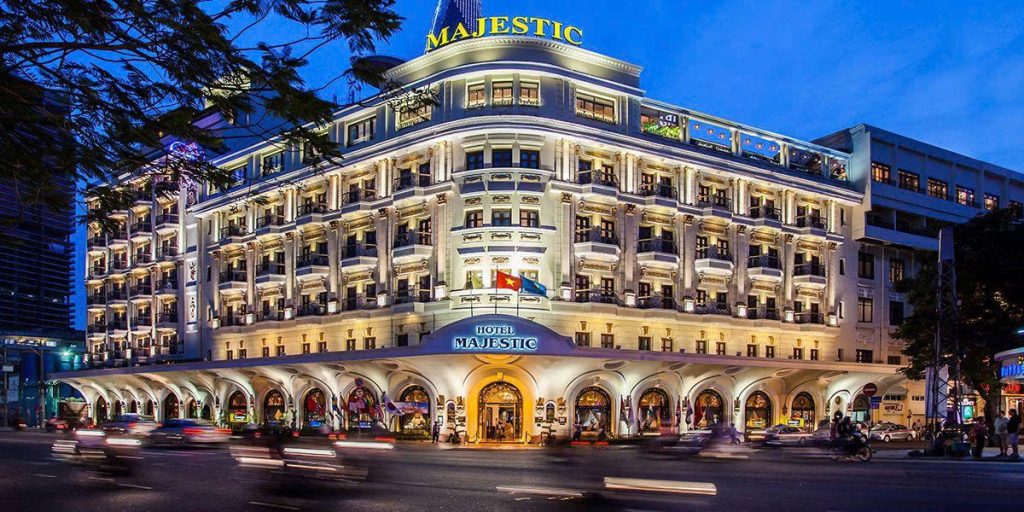
Vietnam has a diverse and high-quality accommodation scene.
Booking Strategy
- Book Peak Season in Advance: For major holidays (Tết, Lunar New Year) or popular spots like Hạ Long Bay, Hoi An, or Phu Quoc, book several months ahead.
- Flexibility in the Off-Season: Outside of peak times, you can often find excellent last-minute deals.
Variety of Options
- Hotels and Resorts: Major cities offer world-class luxury hotels.
- Boutique Hotels and Guesthouses: Common in tourist towns, offering personalized service and local charm.
- Hostels: Known for their lively atmosphere, they are a fantastic option for solo or budget travelers.
- Homestays: Offer the deepest cultural insight, particularly popular in rural or ethnic minority areas like Sapa. Always research reviews carefully.
8. Food and Drink: A Culinary Paradise
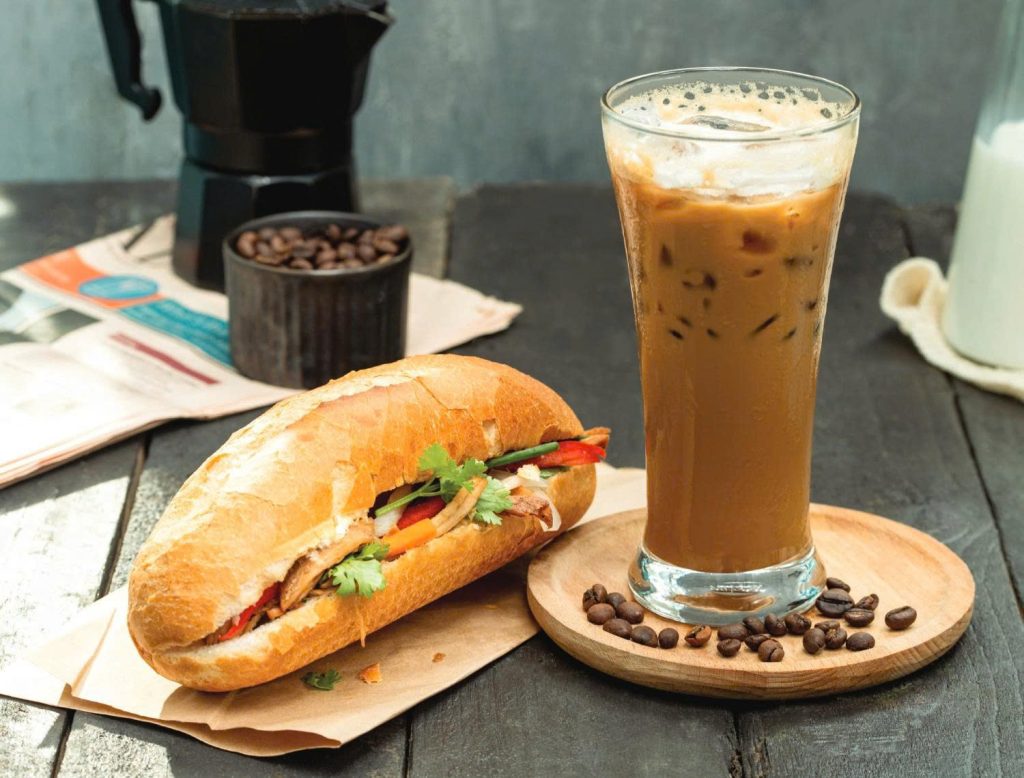
Vietnamese cuisine is a global phenomenon. Be adventurous!
Must-Try Local Specialties
- Phở: The classic noodle soup, essential for breakfast or dinner.
- Bánh Mì: The French-influenced baguette sandwich, an inexpensive and delicious snack.
- Gỏi Cuốn (Fresh Spring Rolls): Healthy and refreshing, served with peanut sauce.
- Cà Phê Sữa Đá (Iced Coffee with Sweetened Condensed Milk): A powerful, sweet, and essential caffeine kick. Try the unique Egg Coffee (Cà Phê Trứng) in Hanoi.
Street Food Safety
Vietnamese street food is essential, but requires common sense to enjoy safely.
- The Golden Rule: Follow the Crowds. Always choose stalls that are busy, especially with locals. High turnover means ingredients are fresh.
- Watch the Cooking: Prioritize food that is cooked or reheated fresh in front of you. Avoid items that have been sitting out for extended periods.
- Observe Cleanliness: Look for vendors who maintain basic hygiene. If the stall seems visibly unkempt, choose another.
- Ice and Water: Never drink tap water. Be cautious with ice at very basic stalls; in general, stick to sealed, bottled drinks to ensure your safety.
RELATED: Ho Chi Minh City Guide 2026: Culture, Food & Nightlife
9. Shopping and Bargaining Etiquette
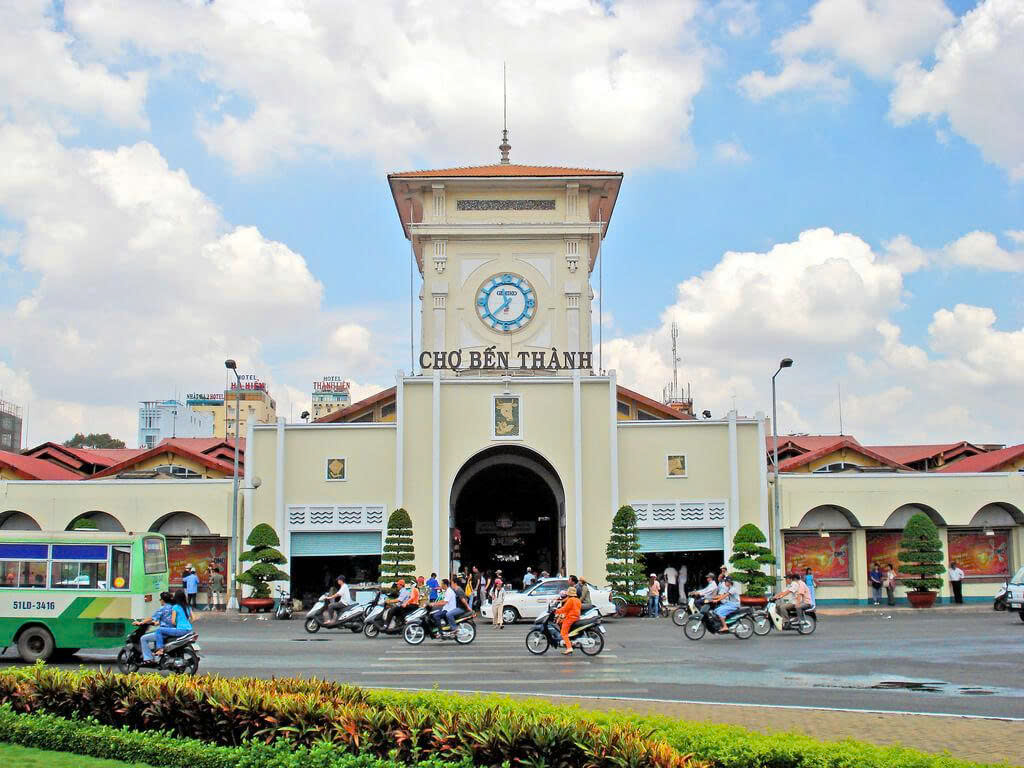
Shopping in Vietnam is fun and offers incredible value.
Markets and Handicrafts
- Local Markets: The best places for authentic souvenirs, clothing, and fresh produce. Look for:
- Silk and tailor-made clothing (especially in Hoi An).
- Lacquerware and ceramics.
- Conical hats (nón lá).
- Hand-embroidered textiles from minority groups.
The Art of Bargaining
- It is Expected: Bargaining is common and expected in markets and small, non-fixed-price shops. It is not common in supermarkets, convenience stores, or modern, air-conditioned retail shops.
- Starting Point: A good starting point is usually about 40% of the initial quoted price, but settle somewhere between 50% and 60%.
- Keep it Friendly: Always bargain with a smile and a polite, good-natured attitude. If you cannot agree on a price, simply say “Cảm ơn” and walk away politely.
RELATED: Ultimate Vietnam Souvenir Guide: What & Where to Buy
10. Embrace the Journey and Create Memories
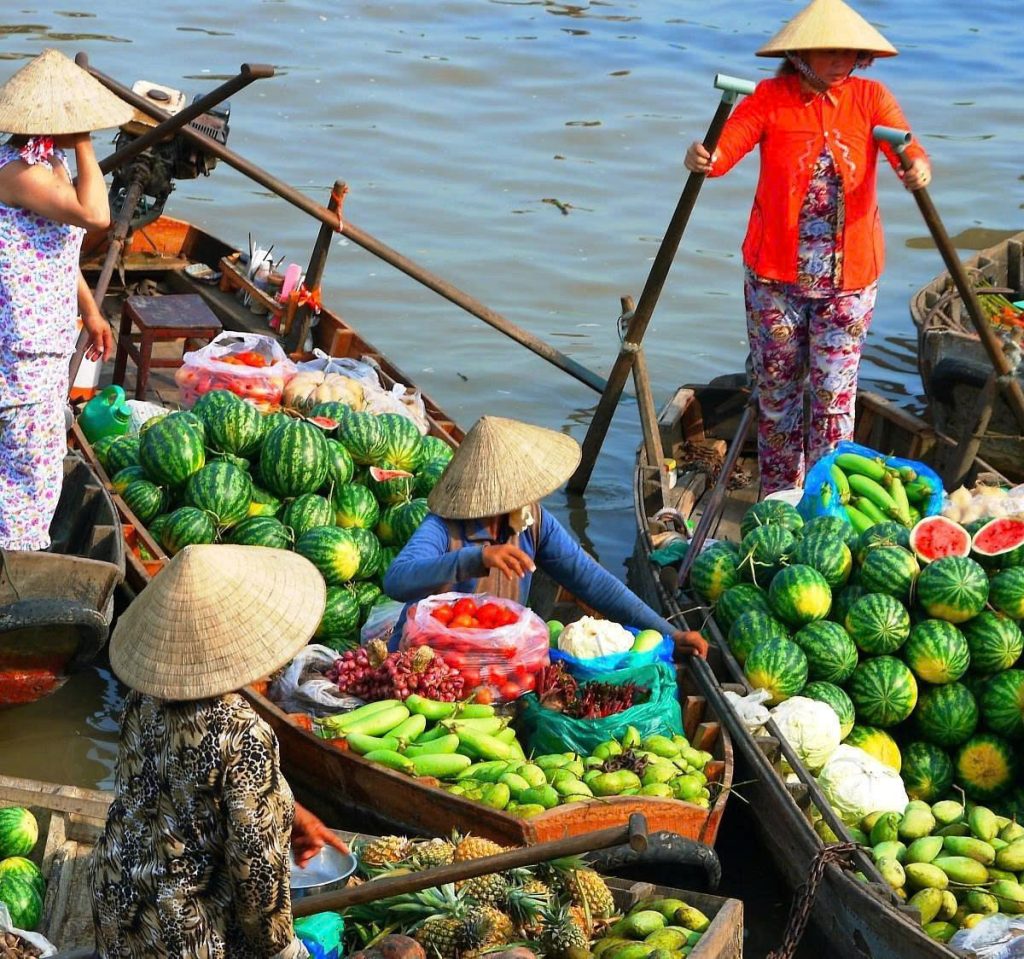
Finally, as you complete your preparations and step onto Vietnamese soil, remember that this is a country defined by vibrant contrasts, relentless energy, and profound authenticity. True joy in your travels often lies beyond the checklist.
The Art of the Authentic Experience
- Stay Flexible and Embrace the Unpredictable: Travel plans in Vietnam can be fluid. Unexpected delays due to sudden downpours, traffic jams that defy logic, or minor schedule changes are simply part of the local rhythm. Cultivate patience, maintain a sense of humor, and be prepared to pivot. Viewing these small hitches—the unexpected bus stop, the spontaneous street vendor encounter—not as setbacks but as elements of the authentic travel experience will greatly enhance your enjoyment. Remember, sometimes the detours lead to the best discoveries.
- Connect with the Welcoming Locals: The Vietnamese people are renowned for their warmth, curiosity, and incredible hospitality. Do not hesitate to use a simple Xin chào (hello) and a smile. Engaging with locals, whether it’s through a translation app with a stall owner or sharing a laugh with your Grab driver, offers the deepest and most rewarding insight into the culture and way of life. These small human interactions—sharing a meal or asking for a recommendation—are the moments that transform a trip into an unforgettable journey.
- Capture the Beauty, but Live the Moment: By all means, take plenty of photos and videos; Vietnam offers endless visual feasts, from the golden light hitting the rice terraces to the sheer volume of scooters flowing like a river. However, consciously make time to put the camera down. Take a moment to simply be: soak in the rich aroma of phở simmering on a street corner, listen to the symphony of motorbike horns and local chatter, feel the humidity, and appreciate the timeless beauty of an ancient pagoda. These sensory memories are the most enduring souvenirs you will bring home.
RELATED: Best Time to Visit Vietnam: Weather by Month & Tips
With all these comprehensive tips in hand, you are now thoroughly equipped. You are not just prepared to travel to Vietnam; you are ready to genuinely experience it. From the thrilling, sometimes chaotic, energy of its city streets to the profound serenity found in its ancient temples and rural landscapes, every corner holds a new discovery.
Your journey to Vietnam is more than just a trip—it is a true Vietnam Adventure that promises to reward your curiosity, nourish your soul, and create memories that will last a lifetime.