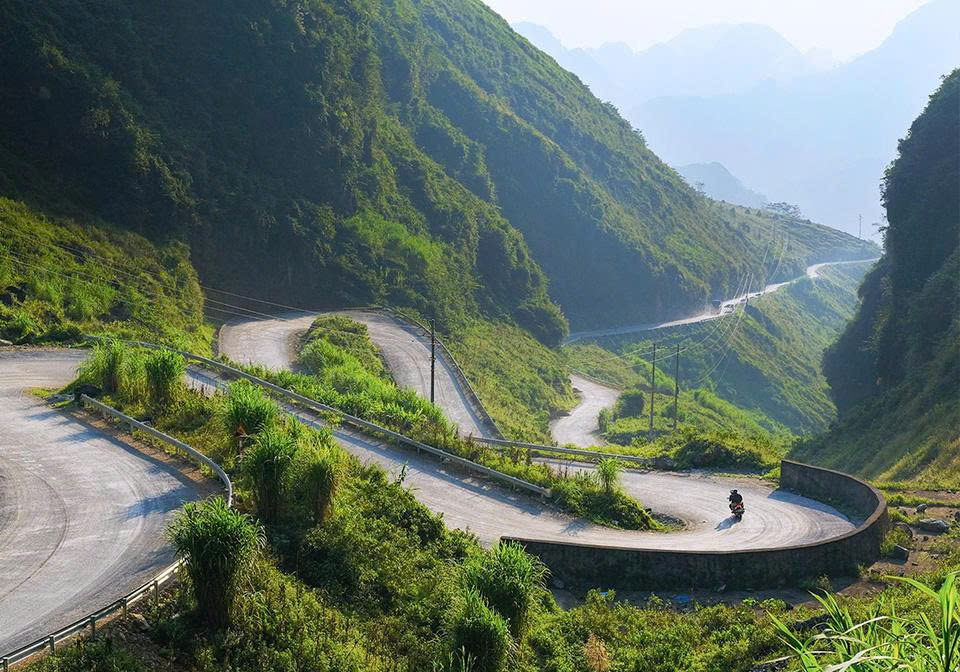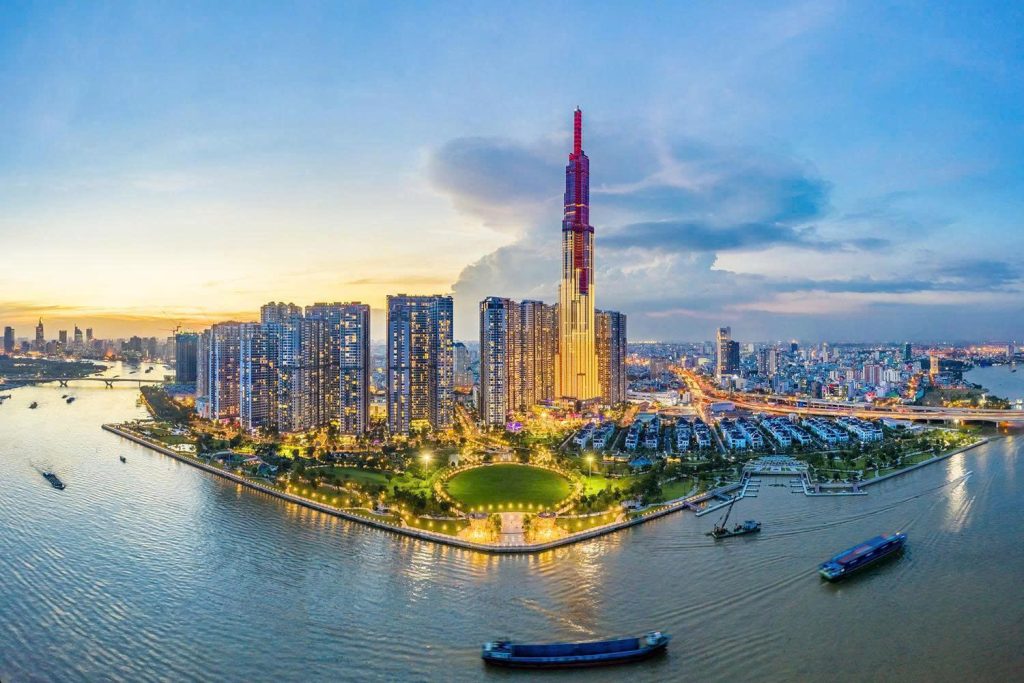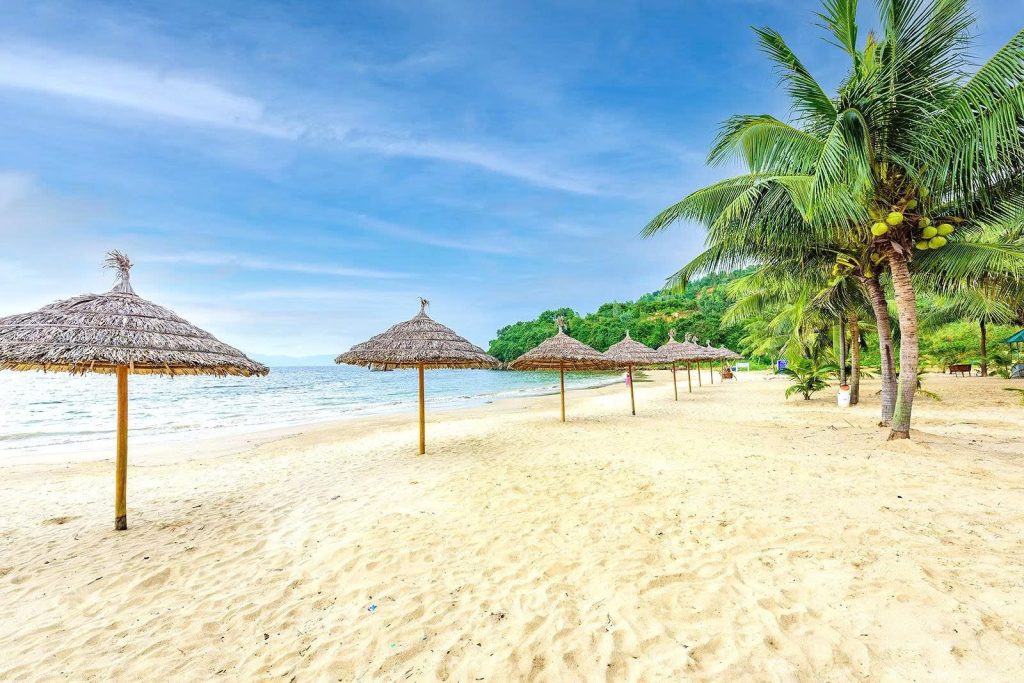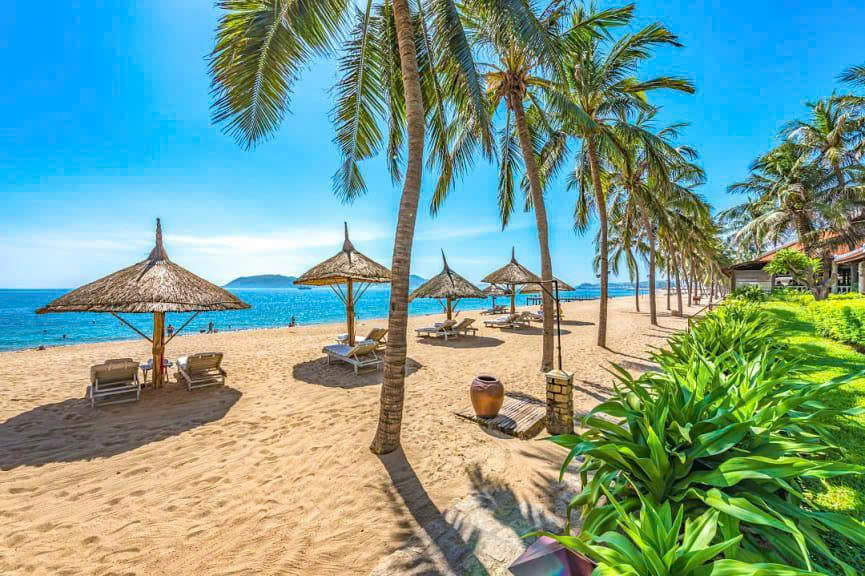
If you’re wondering How to Travel Vietnam on a Budget, you’ve come to the right place. Vietnam consistently ranks as one of Southeast Asia’s best and most exhilarating destinations for the financially savvy explorer. Its incredible affordability allows travelers to experience world-class natural landscapes, millennia-old history, and unique cultural immersion without the stress of an emptying wallet.
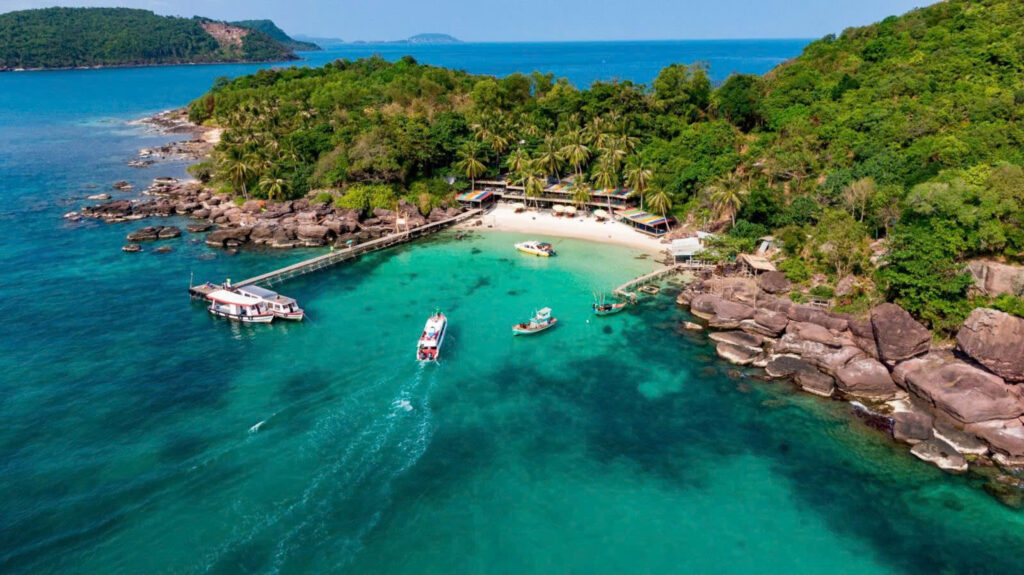
This beautiful country offers surprisingly low living costs, world-renowned street food that costs mere dollars, and a diverse range of transportation options built for every budget. You absolutely can turn your dream trip—exploring the bustling streets of Hanoi, cruising Ha Long Bay, and relaxing on Phu Quoc beaches—into a vibrant reality without breaking the bank.
This guide will serve as your essential compass, navigating the landscape of affordable travel in Vietnam. We will cover everything from smart pre-trip planning and securing the best transportation deals to finding comfortable, inexpensive accommodation, maximizing savings on food, and sharing clever, insider tips to maximize every dollar you spend. Get ready to explore Vietnam without compromise!
Vietnam: The Ultimate Budget Traveler’s Dream Destination
Vietnam isn’t just famed for its stunning natural landscapes and rich cultural heritage; it’s also an ideal destination for travelers on a shoestring.
- Low Cost of Living: Compared to many other countries, the cost of food, transport, and accommodation in Vietnam is incredibly budget-friendly, especially if you’re willing to live like a local.
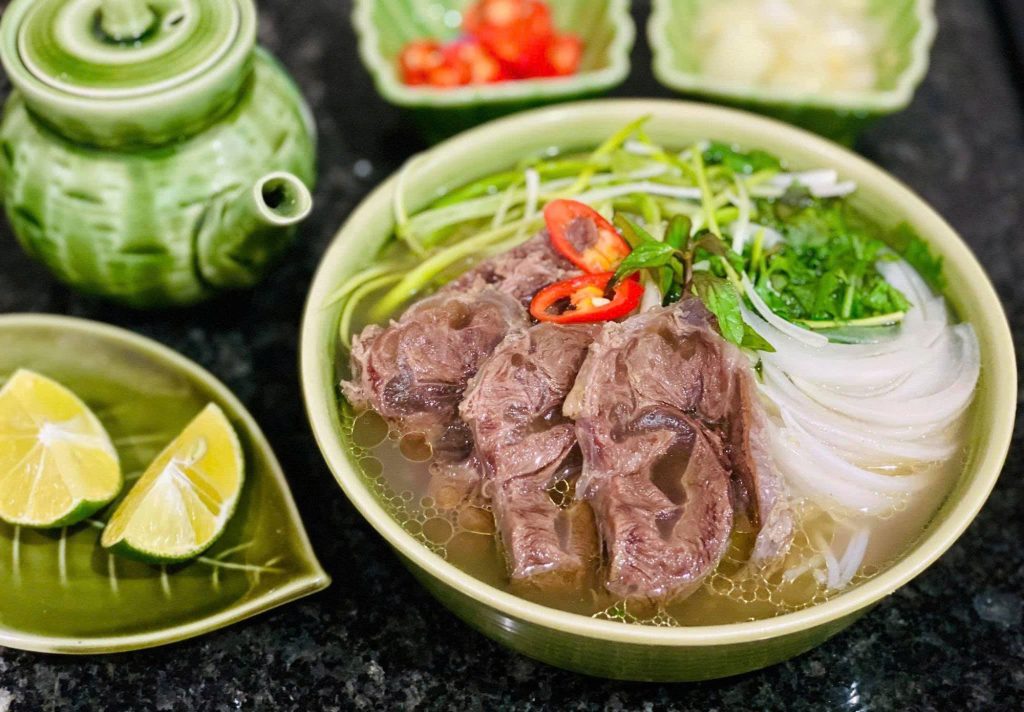
- Epic Street Food Scene: From Phở and Bún Chả to Bánh Mì, you can savor delicious meals for just a few dollars.
- Diverse & Affordable Transportation: Buses, trains, and sleeper buses offer numerous economical ways to travel between provinces.
- Friendly Locals: Vietnamese people are generally welcoming and eager to help, making for a warm and memorable travel experience.
RELATED: Ultimate Vietnam Souvenir Guide: What & Where to Buy
Budget Breakdown: How Much Money Do You Need for Vietnam?
Your average daily spending can vary significantly based on your travel style.
- Ultra-Budget (Backpacker – $20 – $30/day):
- Accommodation: Hostels for around $5 – $10/night for a dorm bed.
- Food: Mostly street food, local markets ($5 – $10/day).
- Transport: Public buses, walking, inter-city sleeper buses ($5 – $10/day for inter-provincial trips).
- Activities: Prioritize free or low-cost activities.
- Mid-Range Budget ($30 – $50/day):
- Accommodation: Guesthouses, budget hotels, or private rooms in hostels ($15 – $25/night).
- Food: Enjoy a blend of street eats and casual local eateries, costing roughly $10-$20 daily.
- Transport: Sleeper buses, trains, occasional Grab or taxi rides ($5 – $15/day).
- Activities: May include a few low-cost local tours.
Savvy Ways to Save Money While Traveling Vietnam

This is where the real magic happens—practical tips to keep your expenses as low as possible.
RELATED: Ultimate Guide to Preparing for Your Vietnam Adventure
Transportation Costs
- Getting In and Out of Vietnam:
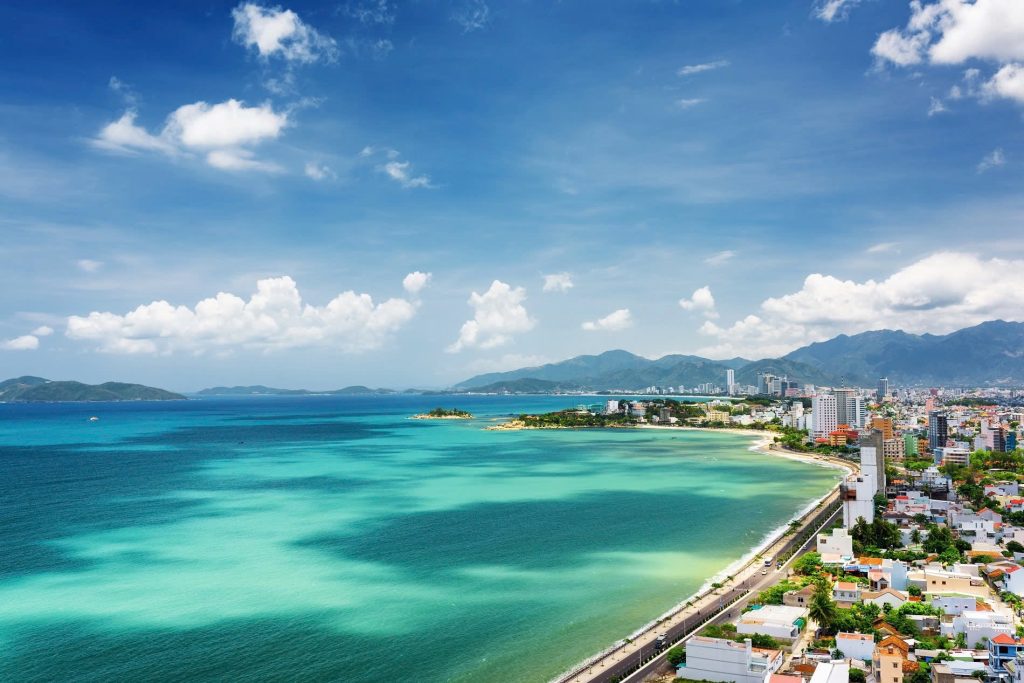
- Snag Cheap Flights: Use flight comparison tools like Skyscanner, Google Flights, or Kayak. Book several months in advance, avoid peak seasons (like Lunar New Year – Tết or summer), and consider flying into smaller airports like Da Nang or Nha Trang if direct routes are available, rather than just Ho Chi Minh City or Hanoi.
- Fly via Budget Hubs: If you’re coming from afar, consider flying into major regional hubs like Kuala Lumpur (Malaysia) or Bangkok (Thailand), then catching a budget flight on local carriers like Vietjet Air, Bamboo Airways, or Vietnam Airlines to Vietnam.
- Getting Around Within Vietnam:
- Sleeper Buses: This is the most common and economical way to travel long distances between cities, such as from Hanoi to Hue or Da Nang, or from Ho Chi Minh City to Mui Ne or Da Lat. You save on a night’s accommodation too!
- Trains: Safer and often more comfortable than buses, offering scenic views. Though slower than planes, they are budget-friendly, especially hard-seat options. Experience the historic Reunification Express for a unique journey.
- Public Buses: Fantastic for navigating major cities like Hanoi and Ho Chi Minh City. They’re incredibly cheap, costing only a few thousand VND per ride.
- Motorbike Rental: If you’re confident in your riding skills, renting a motorbike (around 100,000 – 150,000 VND/day) is a fantastic way to explore rural areas or smaller towns like Hoi An or Da Lat. Ensure you always wear a helmet and adhere to local traffic regulations.
- Ride-hailing Apps (Xanh SM, Grab): Super convenient and offer transparent pricing compared to traditional taxis. Widely available in major cities.

Accommodation Costs
- Hostels: The go-to for backpackers. Prices are super cheap, from $5 – $10/night for a dorm bed. They’re also excellent places to meet fellow travelers. Major cities like Hanoi, Ho Chi Minh City, and Da Nang have numerous quality hostels.
- Guesthouses & Homestays: Offer a warmer, more local experience at affordable rates, typically $10 – $25/night for a private room.
- Budget Hotels: Plenty of 2-3 star hotel options are available at reasonable prices in cities. Compare prices on platforms like Booking.com or Agoda before booking.
Food & Drink Expenses
- Street Food is King: This is the cheapest and most delicious way to experience Vietnamese cuisine. Enjoy Vietnamese classics like Phở, Bánh Mì, Bún Chả, or Cà Phê Sữa Đá (iced coffee with condensed milk) for a mere 20,000 to 50,000 VND.Look for stalls packed with locals – that’s your sign of good quality and price.
- Eat at Local Markets: Buy fresh fruit, snacks, or ready-to-eat meals at traditional markets like Ben Thanh Market (Ho Chi Minh City) or Dong Xuan Market (Hanoi).
- Drink Tap Water (If Safe) or Big Bottles: Buy large bottles of water and refill if possible, or carry a reusable water bottle to refill at places with filtered water. Avoid buying small bottled waters constantly.
- Bia Hơi: A super cheap and quintessential Vietnamese draught beer, especially in Hanoi. Costs just a few thousand VND per glass.
Activities & Sightseeing

- Embrace Free Activities:
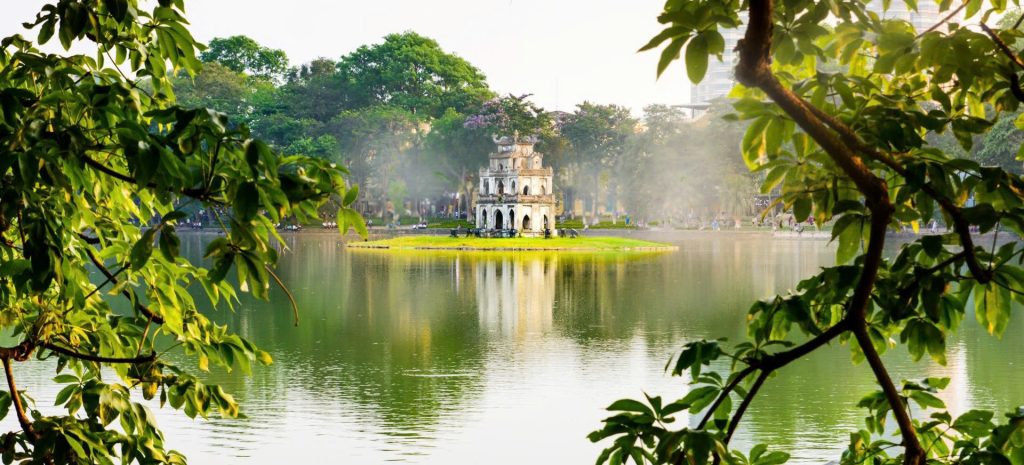
- Take a leisurely walk around Hoan Kiem Lake in Hanoi or Xuan Huong Lake in Da Lat.
- Explore local markets.
- Visit pagodas and temples that don’t charge an entrance fee (e.g., some temples in Hue).
- Enjoy the vibrant atmosphere at Bui Vien Walking Street (Ho Chi Minh City) or Ta Hien Street (Hanoi).
- Choose Budget Tours:
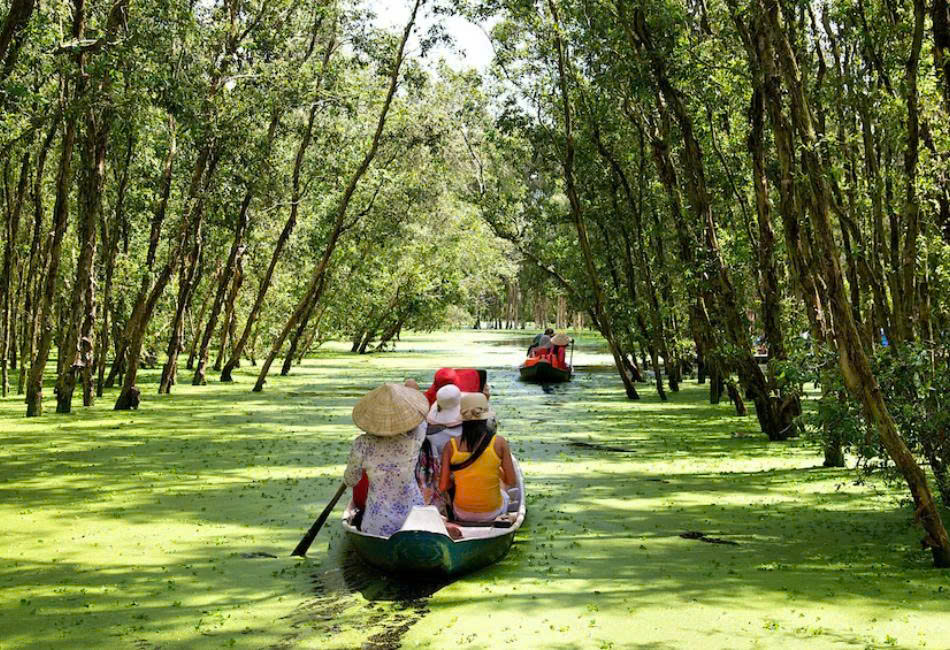
- For popular destinations like Ha Long Bay or the Mekong Delta, look for one-day or two-day/one-night tours offered by reputable local companies. Always check prices and user reviews thoroughly prior to making a reservation.
- Visit Historical & Cultural Sites with Reasonable Entrance Fees:
- Temple of Literature (Hanoi), Imperial Citadel of Thang Long (Hanoi).
- Hue Imperial City, Tomb of Khai Dinh (Hue).
- My Son Sanctuary (near Hoi An).
RELATED: Ho Chi Minh City Guide 2026: Culture, Food & Nightlife
Essential Additional Money-Saving Tips
- Vietnam Visa: Check visa requirements well in advance. For many nationalities, you can apply for an e-Visa for Vietnam online (around $25) or get a Visa On Arrival (requires an approval letter and payment at the airport). Plan early to avoid rush fees.
- Currency & Payments:
- The currency is the Vietnamese Dong (VND). Always carry small denominations of cash.
- Currency Exchange: Exchange money at major banks or reputable gold shops in city centers for the best rates. Avoid airport exchanges.
- ATMs: Withdraw cash from ATMs of major banks (e.g., Vietcombank, BIDV) to minimize fees. Notify your bank of your upcoming travel to avoid any problems with your card
- Local SIM Card: You can buy a local SIM card directly at the airport or from any convenience store. It’s incredibly cheap (around 100,000 – 200,000 VND for a month of unlimited data) and essential for using Xanh SM, Grab and Google Maps.
- Bargaining Skills: In markets, small shops, or when buying souvenirs, feel free to bargain for a better price. Start at around 50-70% of their initial offer.
- Travel During Low Season: The rainy season (May-September) or the cooler winter months in the North (December-February) usually see fewer tourists, translating to cheaper flights, accommodation, and tours.
- Travel Insurance: Don’t skimp on this! Even on a budget, travel insurance is a crucial investment for medical emergencies or unforeseen incidents. Look for basic, budget-friendly plans.
- Pick up a few essential Vietnamese phrases like “Xin chào” (Hello), “Cảm ơn” (Thank you), and “Bao nhiêu tiền?” (How much?). will go a long way in communicating and sometimes even scoring you small discounts.
RELATED: Hanoi Travel Guide: Discover Vietnam’s Ancient Heart
Sample Budget Vietnam Itinerary (2 Weeks)
To illustrate, here’s a sample itinerary focused on cost-saving:
- Days 1-3: Hanoi (Ancient Cultural Hub)
- Walk around the Old Quarter, Hoan Kiem Lake, visit the Temple of Literature, Ho Chi Minh Mausoleum (free or very cheap entry).
- Feast on street-side Bún Chả, Phở, Nem Rán.
- Transport: Public buses, walking.
- Days 4-5: Ha Long Bay (Natural Wonder)
- Book a budget 1-day tour from Hanoi (often includes transfers, lunch, kayaking).
- Visit: Thien Cung Cave, Ti Top Island.
- Days 6-7: Hue (Imperial City)
- Transport: Overnight train or sleeper bus from Hanoi to Hue.
- Explore Hue’s Imperial City and consider visiting the Tomb of Khai Dinh or Tu Duc.
- Savor Bún Bò Huế.
- Days 8-10: Da Nang- Hoi An (Romantic Ancient Town)
- Transport: Take a short bus or train from Hue to Da Nang, then a local bus/taxi to Hoi An.
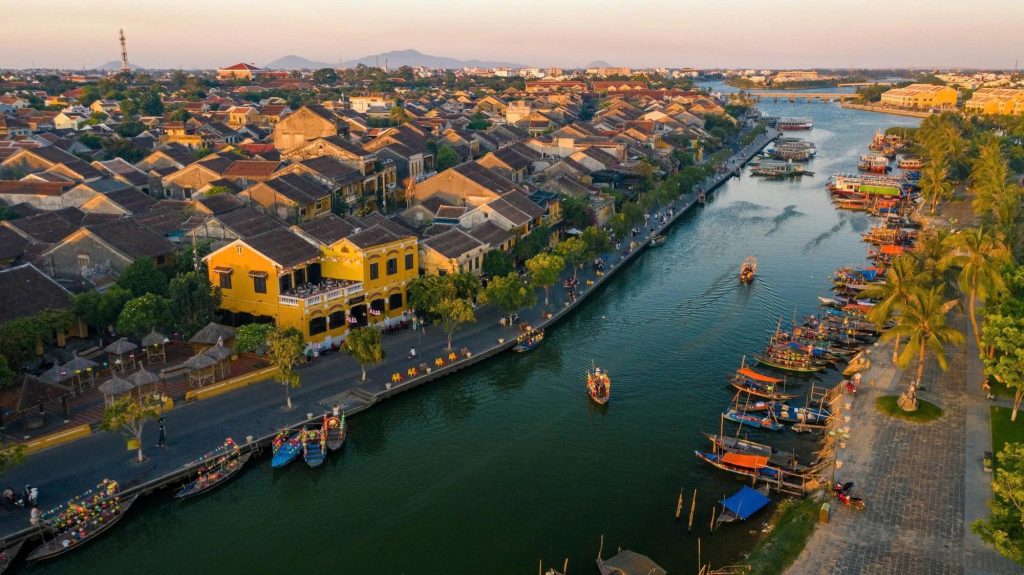
- Walk through the ancient town, shop for lanterns, try Cao Lầu, Mì Quảng.
- Rent a bicycle to explore rice paddies or the beach.
- Days 11-13: Ho Chi Minh City (Dynamic Metropolis)
- Transport: Budget flight or overnight train from Da Nang/Hoi An to Ho Chi Minh City.
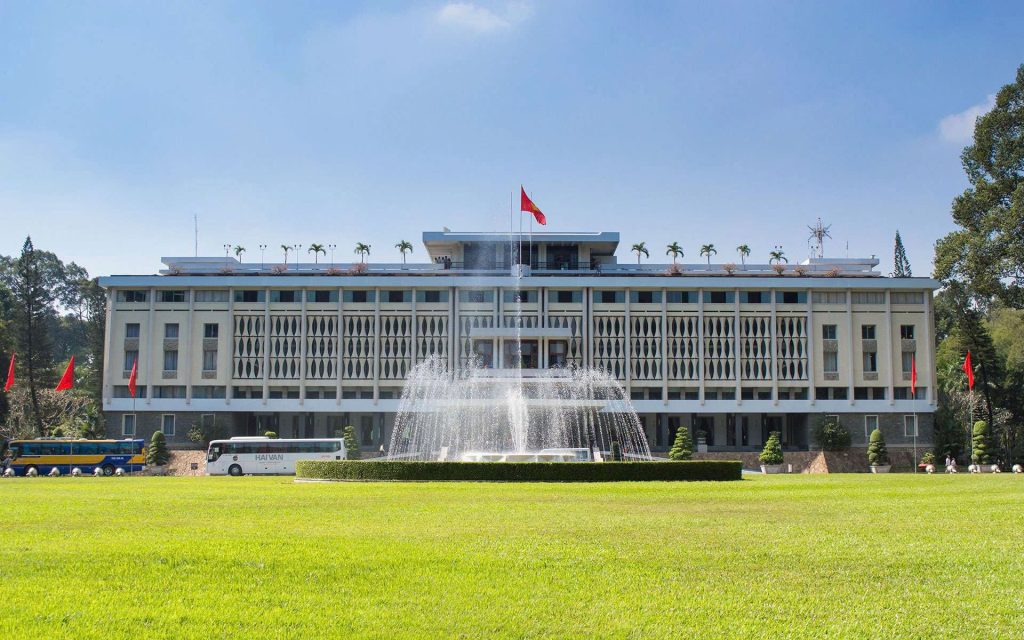
- Visit the Independence Palace, War Remnants Museum, Notre Dame Cathedral, Central Post Office.
- Explore Bui Vien Walking Street and try Bia Hơi.
- Day 14: Depart Vietnam.
RELATED: Definitive Guide to the Cu Chi Tunnels: History, Experience & Tips
Traveling Vietnam on a budget is not only entirely feasible but, as you have learned, often leads to a more authentic and deeply immersive experience. By embracing local transport, savoring the incredible street food culture, and opting for cozy homestays or hostels, you place yourself directly in the heart of Vietnamese life. These choices aren’t compromises; they are gateways to genuine interactions and unforgettable memories that packaged tours often miss.
Remember, Vietnam rewards the traveler who seeks out value—from negotiating a fair price at the market to hopping on an overnight sleeper bus. You now have the essential toolkit and practical advice needed to navigate this incredible country without draining your finances. The affordability means you can extend your stay, try more regional delicacies, and discover hidden gems off the main tourist circuit. So, go ahead and turn your dream Vietnam journey into an inspiring, vibrant, and budget-friendly reality!