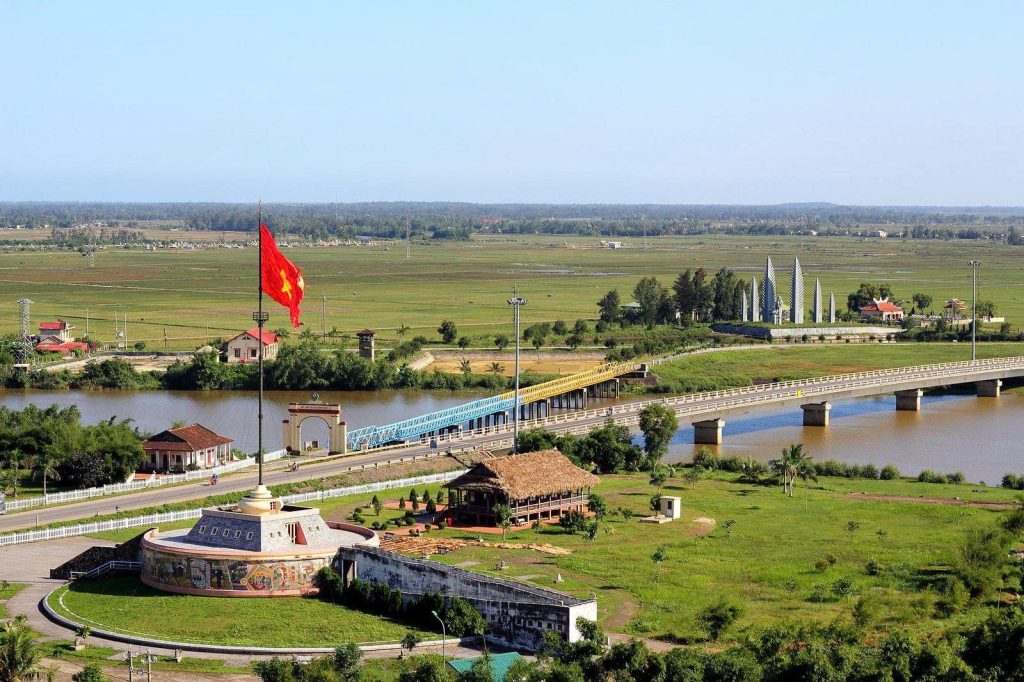
A Demilitarized Zone (DMZ) Tour Vietnam offers much more than a typical sightseeing excursion; it is a profound journey into the heart of a nation’s history. For many travelers, exploring this region is an essential pilgrimage to understand the events that shaped the 20th century. Once a heavily fortified border that physically and politically severed North from South Vietnam along the 17th parallel, the DMZ today serves as a solemn space for reflection, standing as a quiet yet powerful witness to a past that continues to resonate globally.
As you traverse the landscapes of Central Vietnam, this tour reveals the stark contrast between the area’s tranquil present and its turbulent history. Visiting the iconic bridges, tunnels, and outposts allows visitors to pay their respects to the courage and indomitable spirit of the Vietnamese people who lived through the conflict. It is an immersive educational experience that transforms abstract history into a tangible reality, making it a truly poignant highlight for anyone seeking to connect deeply with Vietnam’s enduring legacy of resilience.
The Historical Significance of the DMZ
Established by the Geneva Accords of 1954, the DMZ was intended as a temporary military demarcation line, a 5km-wide buffer zone separating the two newly formed states of Vietnam. Yet, what was meant to be a temporary division became a permanent reality for two decades. The 17th Parallel and the Ben Hai River became the physical and symbolic frontline of the Vietnam War. This region saw some of the most intense battles and strategic maneuvers of the conflict, with both sides constructing elaborate tunnel systems and fortifications to gain an advantage.
Must-Visit Sites and Key Entities of the DMZ Tour
A DMZ tour typically covers a well-trodden path that brings this history to life. An excellent tour guide, often a history enthusiast or a local with a personal connection to the war, is crucial for weaving these isolated locations into a cohesive story.
RELATED: Ho Chi Minh City Guide 2026: Culture, Food & Nightlife
1. The Vinh Moc Tunnels: A Legacy of Survival
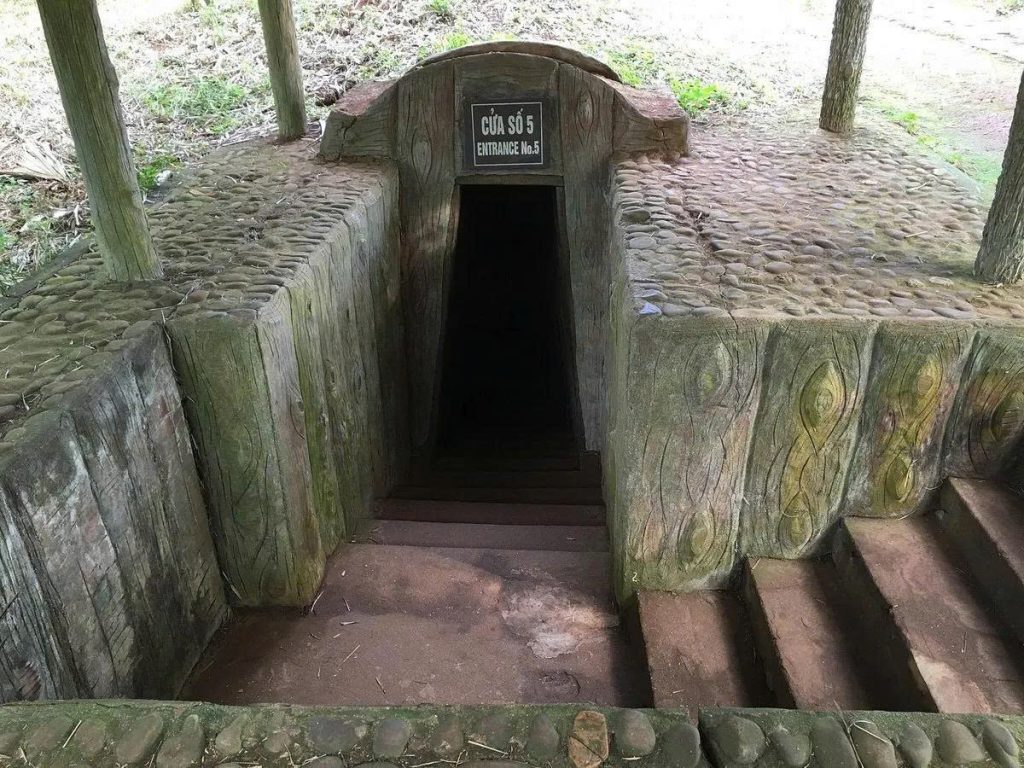
While many know of the famous Cu Chi Tunnels near Ho Chi Minh City, the Vinh Moc Tunnels offer a more profound and humbling experience. Dug by hand by the local villagers to escape the relentless American bombing campaign, this elaborate network was a complete underground village. It included family living quarters, kitchens, a medical center, and even a stage for performances. Over 60 families lived here for several years, and remarkably, 17 babies were born in the tunnels. Walking through the narrow, dark passageways, you’ll feel the incredible resilience and determination of the human spirit.
2. Hien Luong Bridge & Ben Hai River: The Symbolic Divide
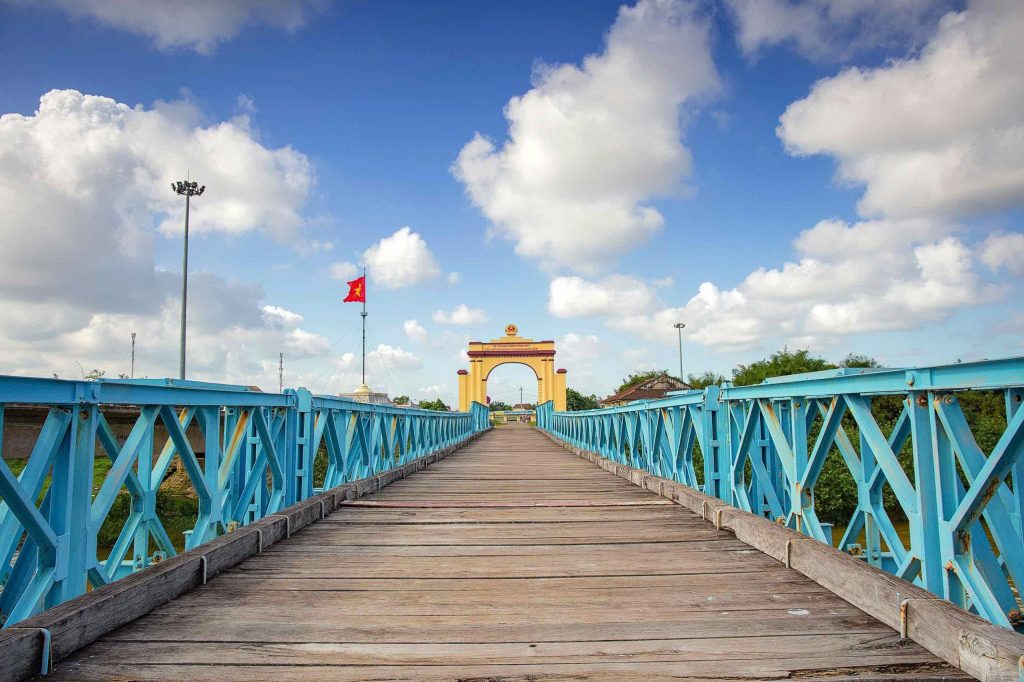
The Hien Luong Bridge is the visual and emotional heart of the DMZ. Painted in two halves—blue for the North and yellow for the South—this bridge was a physical manifestation of a divided nation. For years, loudspeakers from both sides would broadcast propaganda across the river. Today, the bridge stands as a memorial to national reunification, and the museum nearby provides a chilling glimpse into the psychological warfare waged at this border.
3. Khe Sanh Combat Base: A Battlefield of Legends
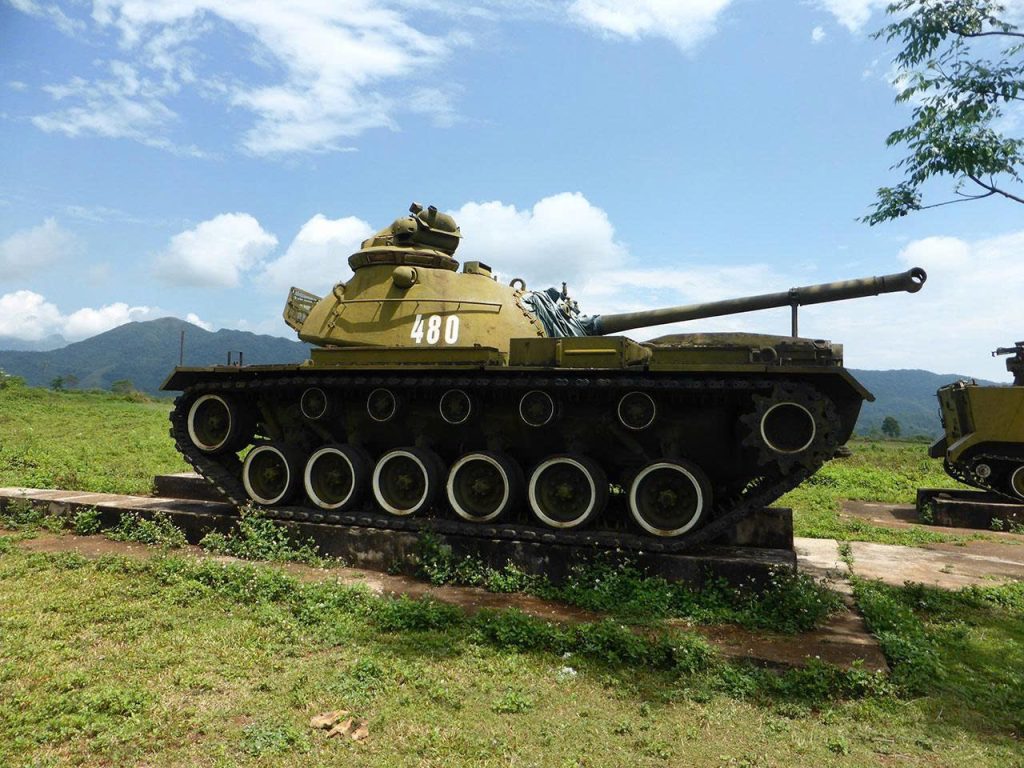
Situated near the Laos border, the Khe Sanh Combat Base was a crucial U.S. Marine Corps outpost that endured a 77-day siege in 1968. The battle here was one of the longest and most brutal of the war. Today, you can see remnants of the old runways, bunkers, and military artifacts like helicopters and tanks, preserved to honor those who fought here. The vast, open fields make it easy to visualize the scale of the conflict.
4. The Ho Chi Minh Trail: A Lifeline of the Revolution
The legendary Ho Chi Minh Trail was not a single path but a complex network of trails, bridges, and tunnels that snaked through the jungle from North to South. It was the primary supply route for the North Vietnamese Army. A tour will often take you along a restored section of the trail, allowing you to appreciate the sheer determination it took to move troops, food, and equipment through such difficult terrain.
5. Rockpile Hill & The McNamara Line
These two sites represent the U.S. military’s strategic efforts to counter the North Vietnamese advance. Rockpile Hill was a natural fortress and observation post, while the McNamara Line was an ambitious (and ultimately failed) electronic fence designed to detect infiltration. These locations highlight the technological and tactical side of the war.
RELATED: Ultimate Vietnam Souvenir Guide: What & Where to Buy
Planning Your DMZ Tour: The Practicalities
Choosing a Tour and Departure Point
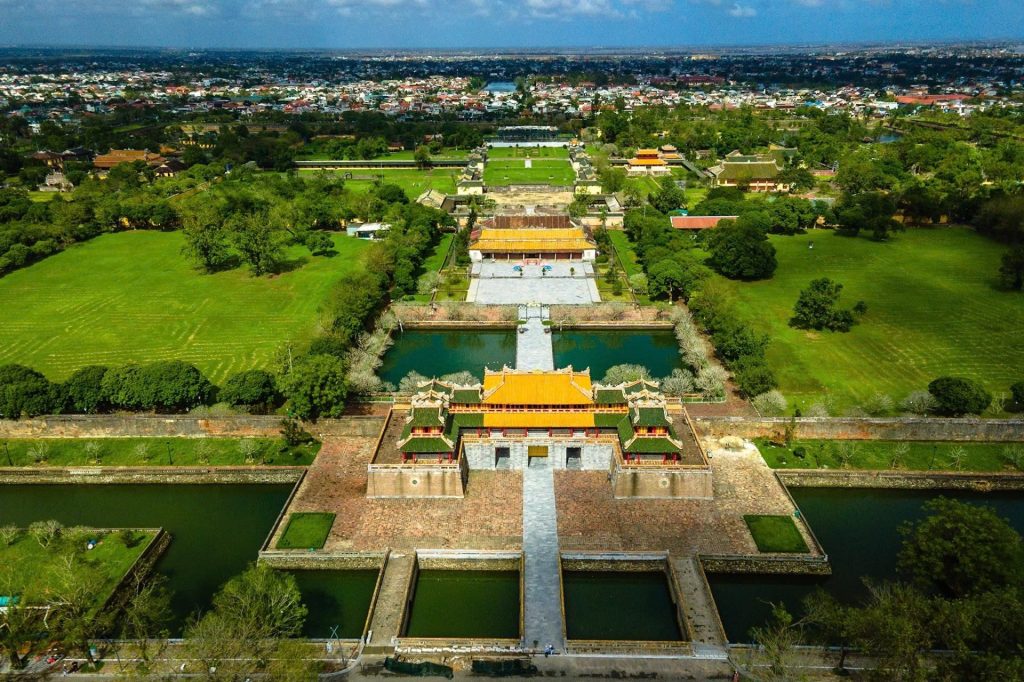
- The Best Departure City: The most logical and popular starting point for a DMZ tour is Hue. The city is much closer to the key historical sites, making for a less taxing full-day trip. A DMZ tour from Hue typically takes about 10-12 hours and is the most common option.
- From Da Nang: While further away, some tour operators offer pickups from Da Nang. This can be a good choice if you’re not planning to stay in Hue, but be prepared for a longer day of travel.
- Tour Type: You have two main choices: a private DMZ tour or a group tour. A private tour offers the ultimate flexibility, allowing you to set your own pace and ask your guide as many questions as you like. A group tour is more budget-friendly but follows a fixed itinerary with less flexibility.
RELATED: Hanoi Travel Guide: Discover Vietnam’s Ancient Heart
What to Expect and What to Bring
- Expertise of Your Guide: The quality of your DMZ tour largely depends on the knowledge of your guide. A great guide will be a historian and storyteller, bringing the sites to life with personal anecdotes and historical insights.
- Attire: Wear comfortable walking shoes and light clothing. Remember that this is a historical site, so dressing respectfully is appropriate.
- Essentials: Bring water, sunscreen, a hat, and a camera. Some tunnels can be hot and humid, so be prepared.
Ultimately, a trip to this historic region is not about capturing quick photos or ticking off a bucket list; it is a profound exercise in education and respect. To truly grasp the gravity of these sites and the complex layers of meaning behind them, the presence of an experienced guide is indispensable. Their storytelling breathes life into the silent ruins, transforming the physical landscape into a narrative of sacrifice and endurance that ensures the lessons of the past are neither lost nor misunderstood by those who visit.
A journey through the DMZ in Vietnam is a sobering and unforgettable experience that provides the crucial context needed to understand the nation’s arduous path toward peace. It is a pilgrimage that transcends traditional tourism, leaving every traveler with a newfound appreciation for the incredible strength of the human spirit. As you leave these hallowed grounds, you carry with you not just memories, but a deeper perspective on the resilience and reconciliation that define modern Vietnam today.
Check prices & available tours here: DMZ Historical Sites Small Group Tour, Hue – Klook