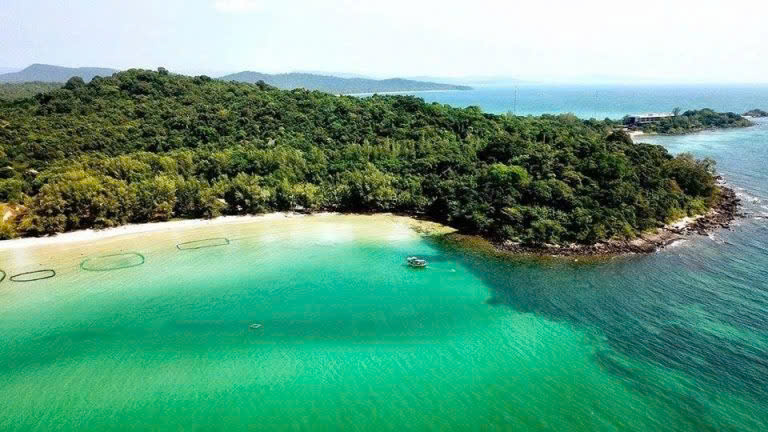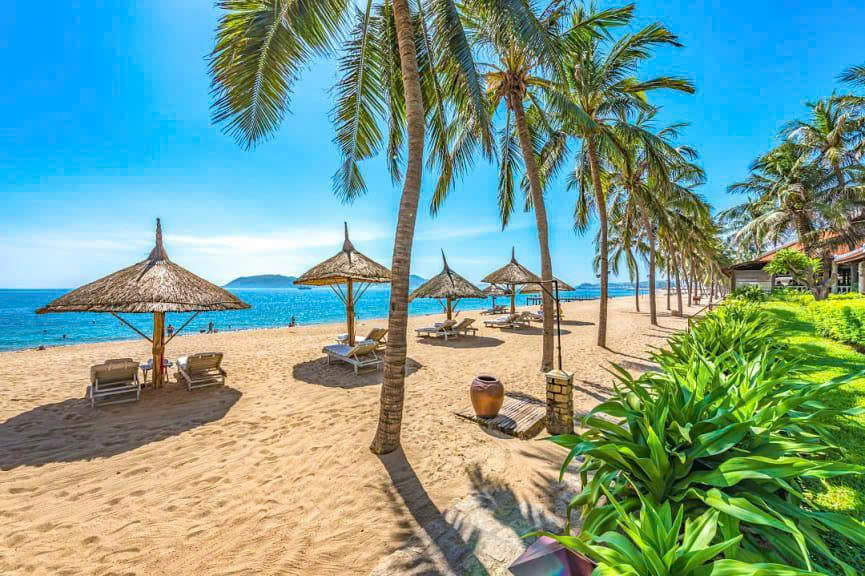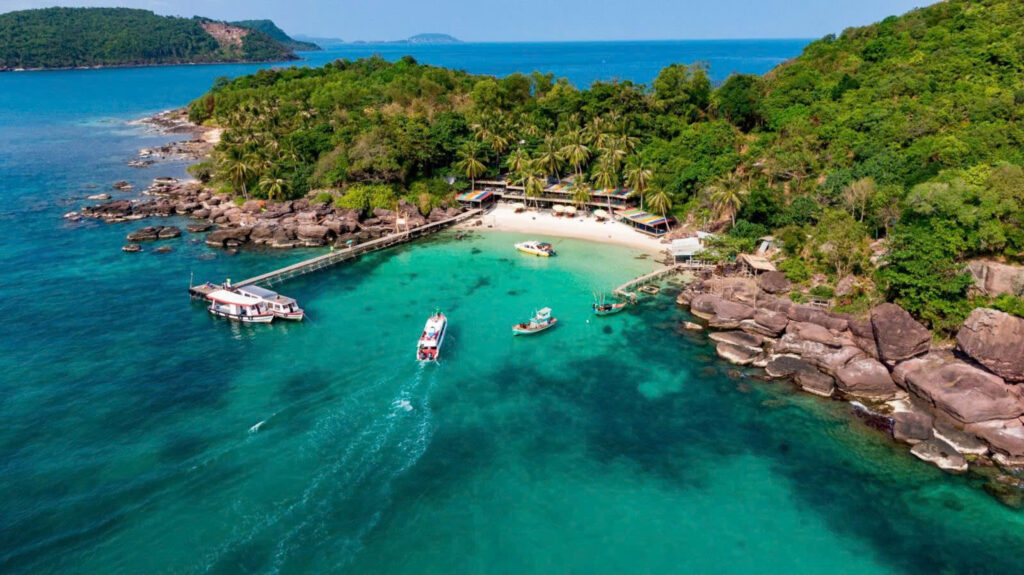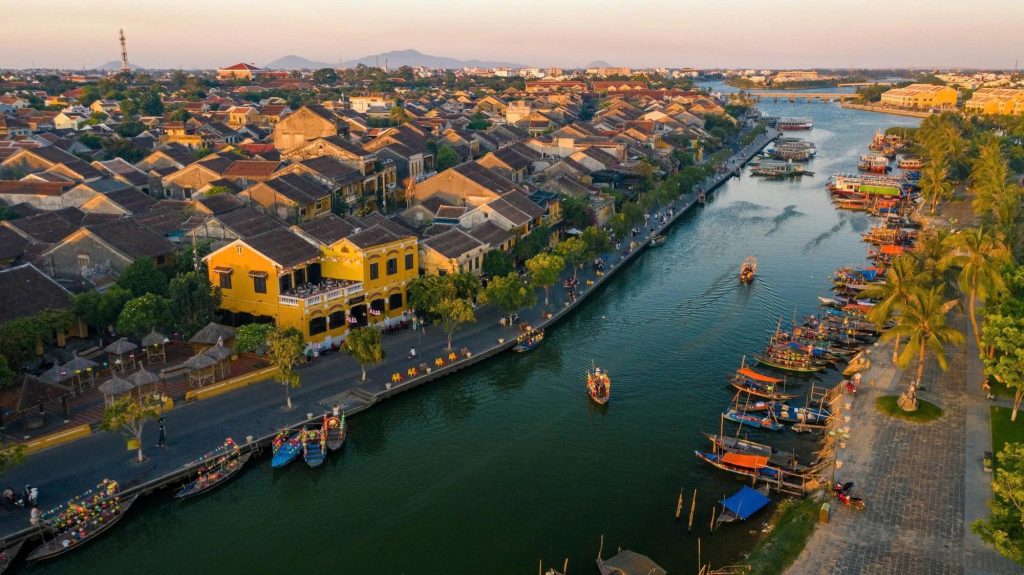
Phu Quoc is not merely an island; it is an experience—a seamless blend of pristine natural beauty, rich cultural heritage, and world-class luxury. Recently recognized as Vietnam’s first island city, Phu Quoc has cemented its status as Southeast Asia’s premier destination, moving far beyond its quiet fishing village roots. This comprehensive guide will take you on a journey across the Pearl Island, exploring its famed white-sand beaches, diving into its historical depth, and unveiling the secrets behind its most exclusive, high-end retreats.
To truly appreciate the multi-faceted allure of Phu Quoc, one must first grasp its context and character—the geographical foundation and the historical narrative that shaped its modern status. Our comprehensive exploration begins with the fundamental Phu Quoc knowledge vital for any discerning visitor, establishing the credibility and depth of this guide.
The Geography and Climate of Phu Quoc
Phu Quoc’s unique position gifts it with natural advantages that are core to its “Heavenly Island” moniker. Understanding its climate is the first step in planning a successful trip.
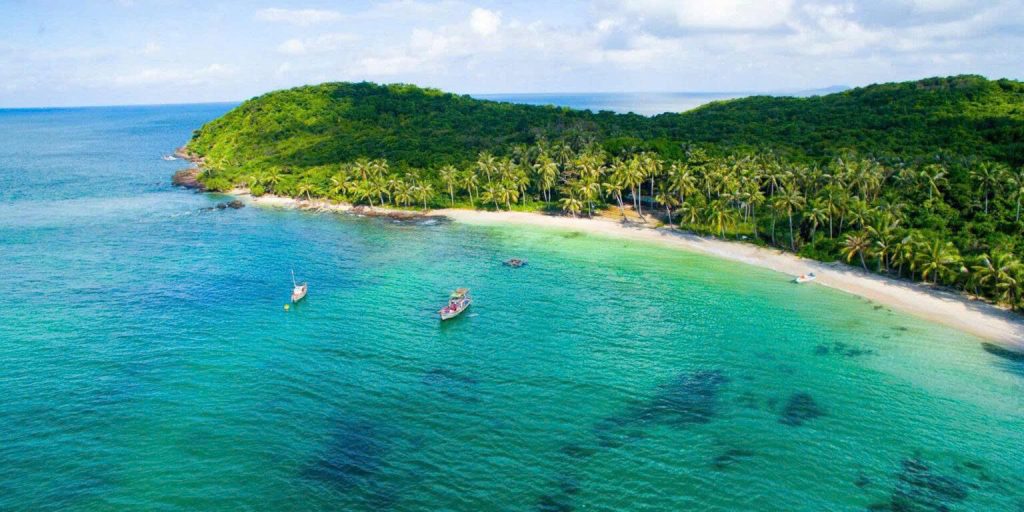
- Location and Significance: Phu Quoc is unequivocally the largest island in Vietnam, situated strategically in the Gulf of Thailand, off the coast of Cambodia, and administratively part of the Kien Giang Province. Its proximity to major Southeast Asian cities, combined with its designation as a special economic zone and, recently, an island city, underscores its vital role as Vietnam’s premier tourism gateway. Geographically, the island is characterized by its north-to-south mountain range, with almost 100 hills, creating diverse landscapes ranging from dense primary forest to expansive, soft-sand beaches. This strategic position makes it a natural hub for marine biodiversity, supporting vibrant coral reefs and abundant fishing grounds, which in turn fuels its tourism and local industries.
- The Ideal Time to Visit: The island boasts a classic tropical monsoon climate, which can be broadly divided into two main seasons. The best time to visit Phu Quoc is during the dry season (typically November to April). During these months, the weather is characterized by brilliant sunshine, calm seas perfect for swimming and snorkeling, and refreshingly low humidity. Daytime temperatures are comfortably warm, averaging $25-28^\circ\text{C}$. In contrast, the wet season (May to October) often brings heavier rainfall, though this usually manifests as short, intense showers. For travelers prioritizing beach leisure, diving, and boat excursions to explore the An Thoi Archipelago, the dry season offers the most reliable conditions for exploring both the extensive North and the sophisticated South of the island.
RELATED: Ultimate Vietnam Souvenir Guide: What & Where to Buy
The Evolution of Phu Quoc: From Pearl Island to Luxury Hub
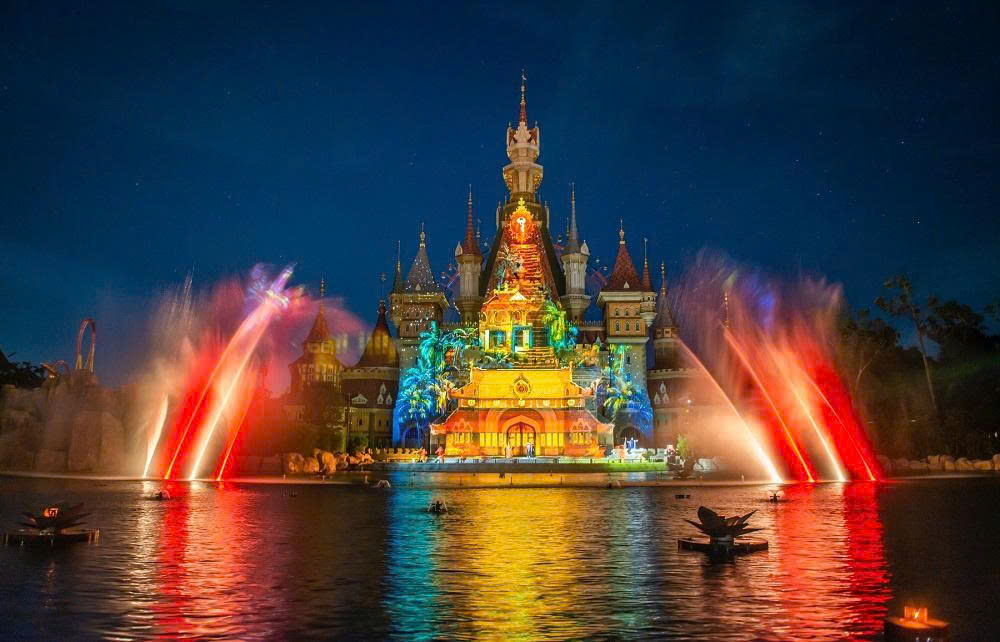
The narrative of Phu Quoc is one of rapid and dramatic transformation, moving from a rustic outpost to a sophisticated global magnet.
For decades, Phu Quoc was internationally recognized primarily for its traditional exports: the potent, globally-acclaimed fish sauce (nước mắm) and its unique, pungent black pepper (tiêu Phú Quốc). These artisanal industries were the lifeblood of the island. Today, massive, coordinated investment—particularly from major Vietnamese corporations—has fundamentally transformed its landscape. This development has focused heavily on luxury resort construction and large-scale entertainment parks (such as VinWonders and Sun World). This shift caters directly to discerning global travelers who seek convenience, comfort, and five-star quality. This dual identity—where the rustic charm of the fishing villages and pepper farms meets the sleek architecture and modern opulence of the integrated resorts—is the key dynamic defining the island’s contemporary and magnetic allure.
RELATED: Ultimate Guide to Preparing for Your Vietnam Adventure
Exploring the South of Phu Quoc: The Quintessence of Paradise
The southern half of Phu Quoc is arguably the most developed and frequently photographed, often referred to as the “resort zone” and the heart of leisure and luxury. This is the area where travelers move from natural wonder to refined, planned elegance.
Bãi Sao (Starfish Beach): Phu Quoc’s Iconic Beach Haven
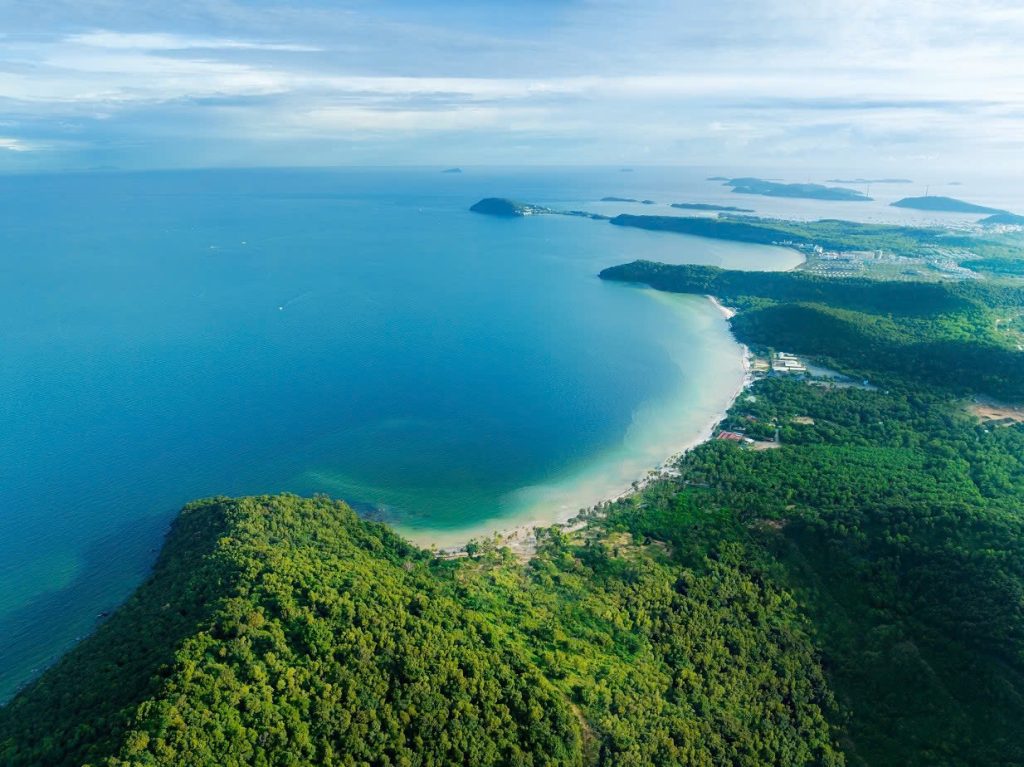
No itinerary in Phu Quoc is complete without a visit to Bãi Sao (Star Beach), an entity whose name is synonymous with the island’s natural perfection.
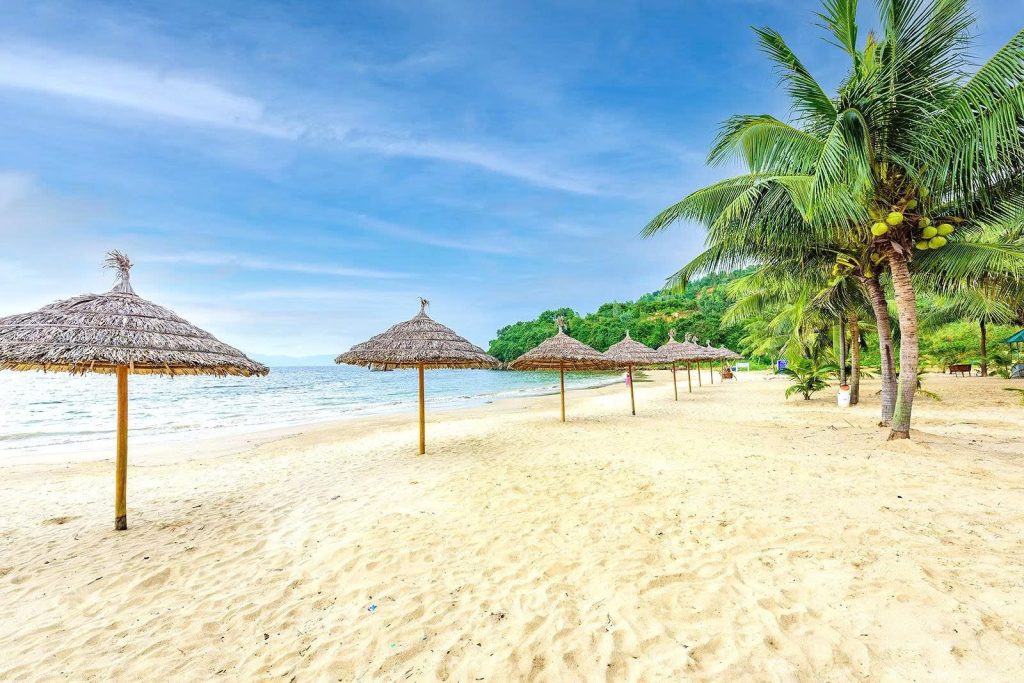
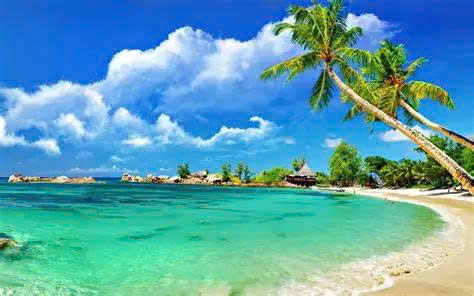
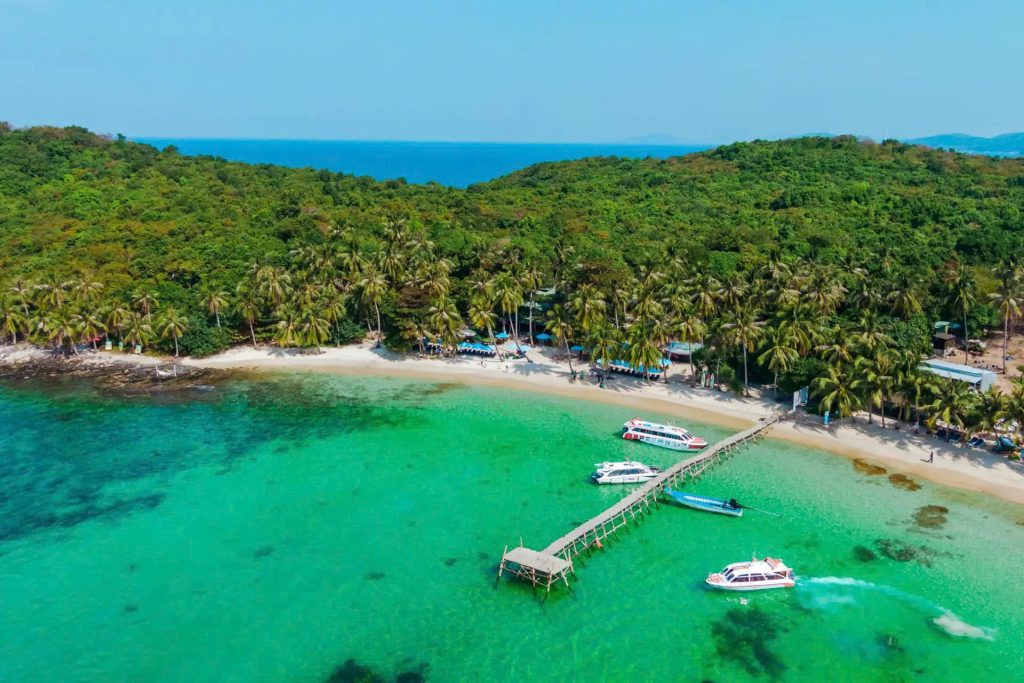
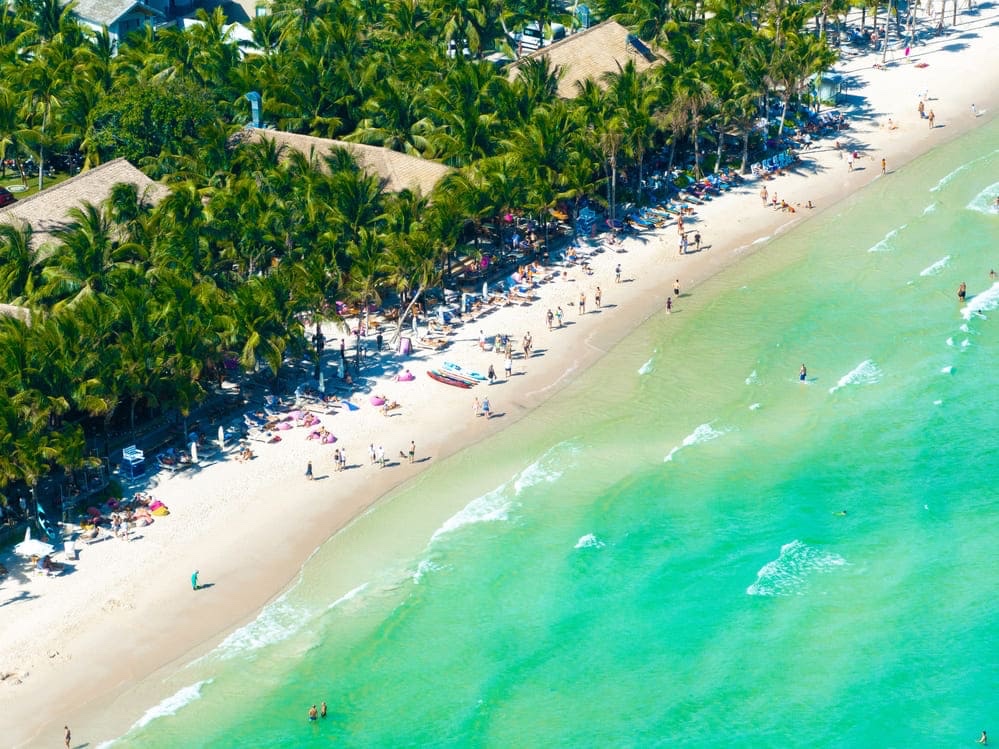
- Unrivaled Natural Beauty: Bãi Sao’s distinction lies in its sand. Unlike the coarse, yellowish sand found on the Long Beach coast, Bãi Sao features powder-like, brilliant white sand that feels like flour underfoot. This, combined with the incredibly shallow, calm, and luminous turquoise waters of the cove, creates a scene of picture-perfect tranquility. The protective bay makes the water exceptionally still, making it an ideal, safe environment for families with young children and leisurely swimming. The beach is a testament to the pristine, untouched beauty that the island strives to preserve.
- Activities at Bãi Sao: The calm waters of Bãi Sao naturally lend themselves to low-impact water sports. Beyond the pure relaxation of sunbathing and swimming, visitors can enjoy recreational activities like jet skiing, paddle-boarding, and kayaking, often available for rent directly on the beach. However, the most charming activity is often the simplest: finding a quiet spot under one of the characteristic coconut palms to observe the occasional small starfish that sometimes washes into the shallows—a natural occurrence that truly gives the beach its evocative name.
The Southern Tip: Sun World and Hon Thom Cable Car
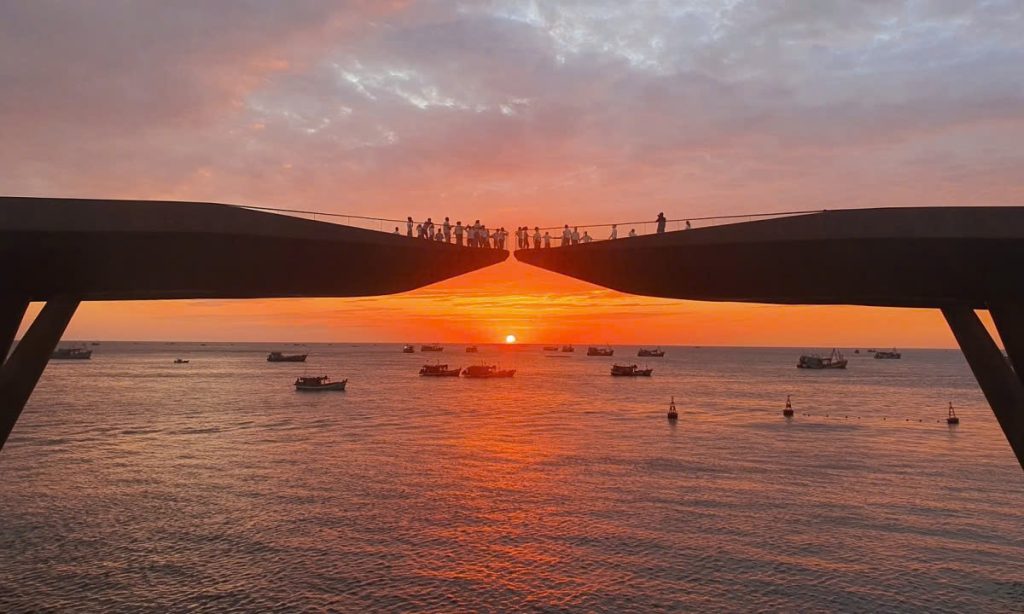
The far southern tip of Phu Quoc, known as the An Thoi Archipelago, has been transformed into a major tourism node dominated by the sprawling Sun World Hon Thom Nature Park entity.
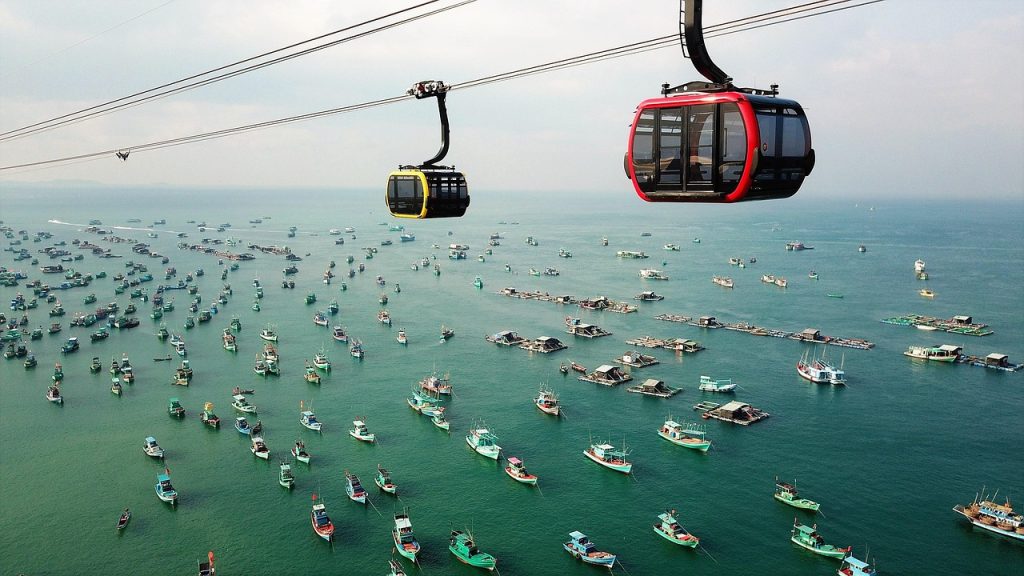
- World’s Longest Over-the-Sea Cable Car: This Phu Quoc landmark holds the Guinness World Record for the longest non-stop three-rope cable car. It is a mandatory bucket-list experience, offering an approximately 8-kilometer journey that provides breathtaking, sweeping panoramic views of the entire An Thoi Archipelago and its 18 small, pristine islets. This scenic journey connects the main island of Phu Quoc to Hon Thom Islet, leading visitors directly to the water park and beach attractions. The cable car itself is a feat of engineering and the views of the shifting shades of ocean blue are unparalleled.
- Sunset Town (Thị trấn Hoàng Hôn): Situated on the mainland side near the cable car station, Sunset Town is a marvel of urban planning and design. This Mediterranean-inspired architectural masterpiece, with its vibrant stucco facades and Roman-esque ruins, is entirely artificial but stunningly realistic. It features dozens of restaurants, boutiques, and, most famously, the Kiss Bridge (Cầu Hôn), which has become a viral global landmark. The entire development perfectly encapsulates the island’s strategic shift towards high-end, immersive entertainment, spectacular architecture, and highly photogenic locations, especially as the sun dips below the horizon.
RELATED: Ho Chi Minh City Guide 2026: Culture, Food & Nightlife
Historical and Cultural Depth
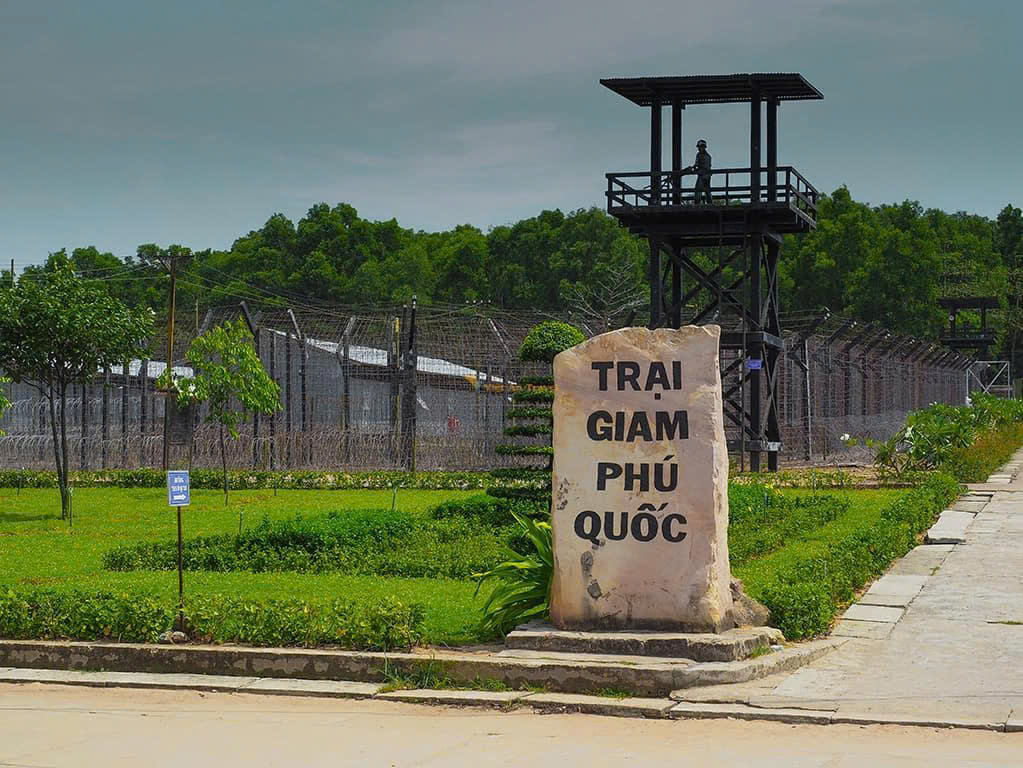
While the luxury resorts dominate the modern landscape, the historical and cultural soul of Phu Quoc remains palpable, offering visitors a crucial contrast to the modern veneer.
- Phu Quoc Prison (Nhà tù Phú Quốc): For those seeking a deeper understanding of Vietnam’s wartime history, this historical relic is an essential, albeit sobering, visit. The former prison, a major entity and historical site, offers a stark and emotional look into the past, detailing the harsh conditions and unwavering resilience of Vietnamese prisoners of war. It serves as a powerful reminder of the island’s significant, often painful, role in the nation’s struggle for independence.
- Ham Ninh Fishing Village: Offering a picturesque contrast to the polished world of the luxury resorts, this ancient fishing village provides an authentic glimpse into the traditional, simple life of Phu Quoc fishermen. The houses are typically built on stilts over the water, and the pace of life here remains slow. Ham Ninh is famous for its exceptionally fresh, live seafood, particularly the steamed flower crab, allowing visitors to savor local delicacies immediately after they are caught.
RELATED: Hanoi Travel Guide: Discover Vietnam’s Ancient Heart
The Pinnacle of Relaxation: Luxury Resorts in Phu Quoc
The true confirmation of Phu Quoc as a heavenly island is its unparalleled collection of world-class accommodations. These luxury resort entities represent the highest standard of hospitality, offering unparalleled service, meticulous privacy, and state-of-the-art facilities, catering directly to the most sophisticated global travelers.
Strategic Locations of Phu Quoc’s High-End Stays
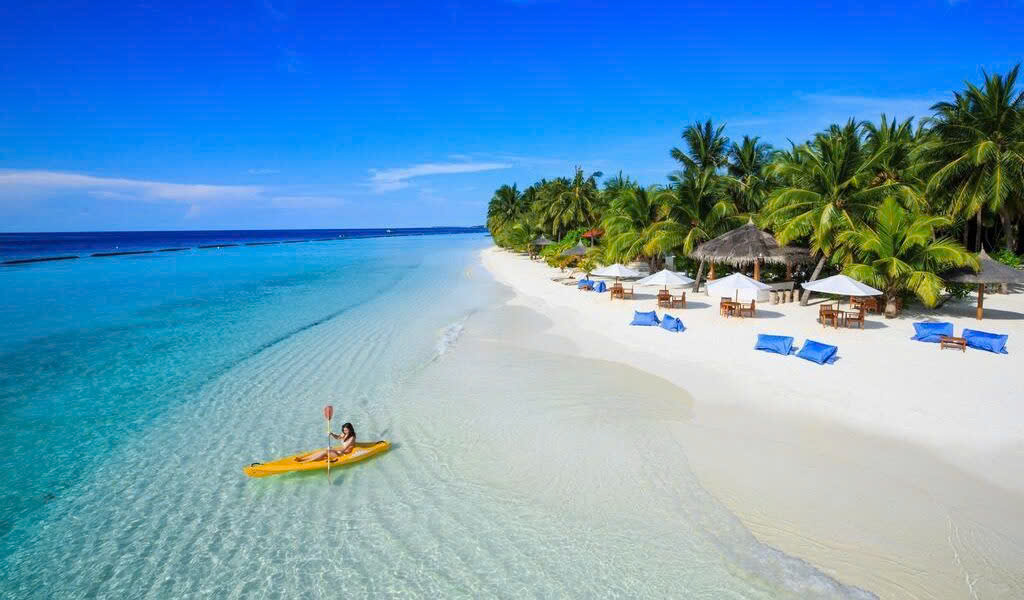
The location of a resort is key to its tranquility and allure in Phu Quoc.
- Bai Truong (Long Beach): Stretching over 20 kilometers, Long Beach is a primary location for luxury development due to its sheer size and accessibility to the airport. Home to globally iconic chains like InterContinental and Regent, this area is renowned for its magnificent sunset views and extensive, publicly accessible beachfront. It strikes a balance between being near the island’s main transport hubs and offering expansive, luxurious resort footprints.
- Khem Beach (Bãi Kem): Tucked away on the southern tip, Khem Beach is a smaller, private, and highly protected cove hosting some of the island’s most ultra-exclusive properties, most notably the JW Marriott Phu Quoc Emerald Bay Resort & Spa—a key Phu Quoc entity. This beach is celebrated for its unique concept and design (often the work of world-renowned architects like Bill Bensley), offering a more secluded, intimate, and often more design-forward experience away from the busier areas.
Features Defining a Phu Quoc Luxury Resort
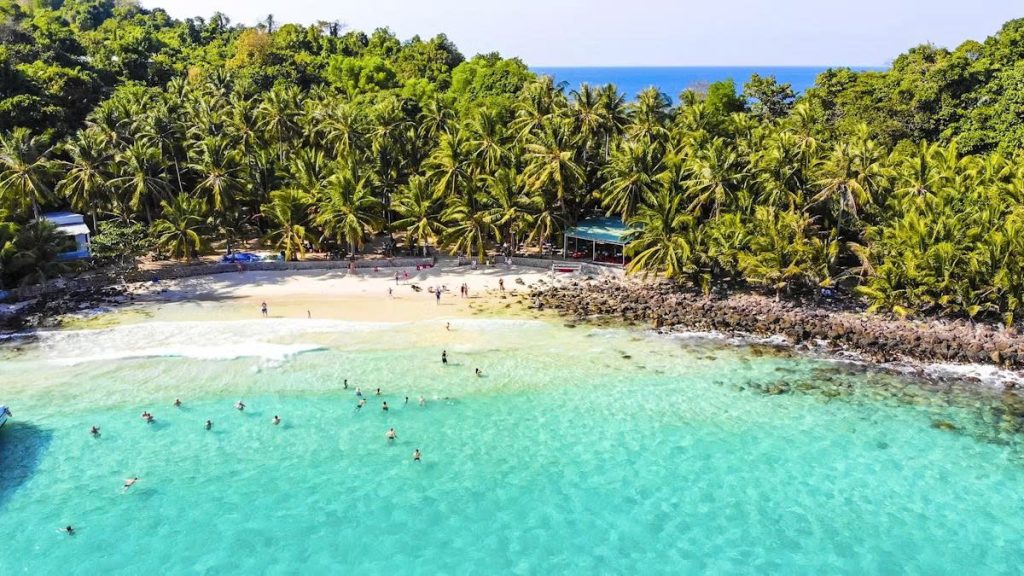
Accommodation in a top-tier Phu Quoc property transcends simple lodging; it offers integrated, holistic experiences designed for indulgence.
- Private Pool Villas: Epitomizing ultimate seclusion and romance, many of the leading Phu Quoc resorts feature lavish private pool villas. These residences are typically designed with spacious outdoor decks, private tropical gardens, and stunning infinity pools that often appear to merge directly with the ocean horizon, providing guests with unparalleled privacy and bespoke service.
- World-Class Wellness and Spa: Drawing on the island’s natural tranquility and often incorporating local Vietnamese healing traditions, luxury resort spas focus on holistic wellness. These spaces are often architectural marvels themselves, offering signature treatments utilizing natural, local ingredients like pepper, pearls, and herbs grown on the island, enhancing the sense of place and relaxation.
- Signature Dining Experiences: Exclusive and high-quality dining venues are mandatory for a top-tier Phu Quoc stay. Guests can expect a range of gourmet options, from fine French or Italian cuisine prepared by Michelin-trained chefs to specialized, sophisticated seafood restaurants that serve the freshest local catch, paired with sommelier-curated wine lists.
RELATED: Definitive Guide to the Cu Chi Tunnels: History, Experience & Tips
Choosing Your Sanctuary: Comparisons of Luxury
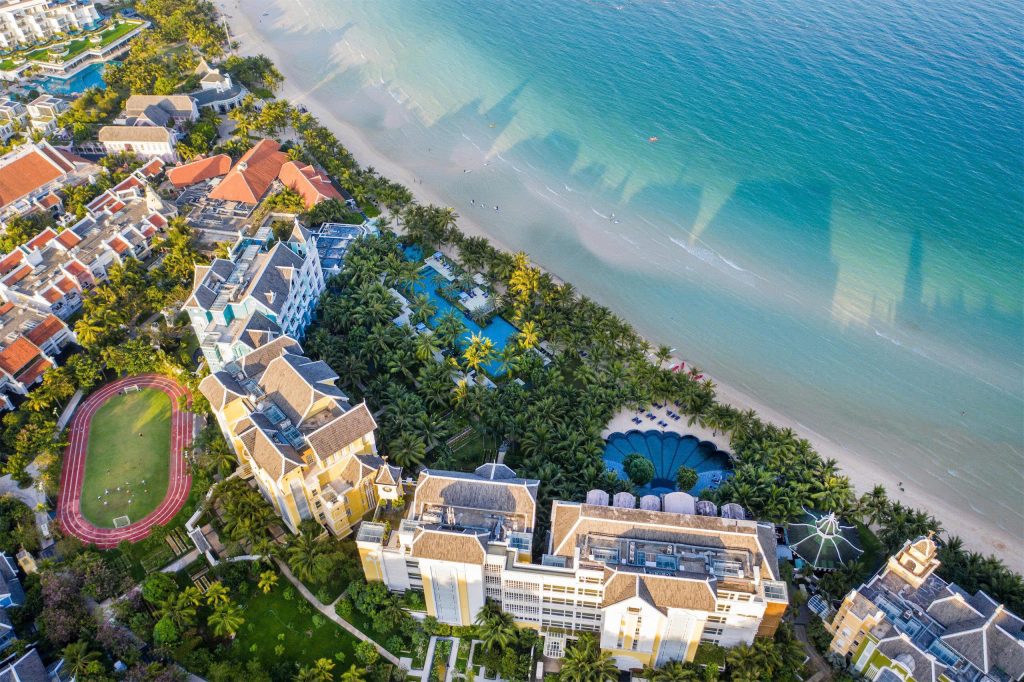
When planning a Phu Quoc trip, the specific choice of resort dramatically defines the nature of the experience, aligning with different traveler needs.
| Resort | Design/Theme | Key Differentiator | Intent Served |
| JW Marriott | Fictional University (Bill Bensley design) | Unique, high-concept visual storytelling and architecture, offering a highly immersive, Instagrammable experience. | Commercial Investigation |
| InterContinental | Accessible luxury, large family focus | Features the famous Over-the-water Bar (INK 360) and extensive, dedicated family facilities, making it highly versatile. | Commercial Investigation |
| Regent Phu Quoc | Contemporary, refined Vietnamese aesthetics | Focus on highly personalized butler service, exceptional residential-style villas, and a tranquil, understated luxury atmosphere. | Transactional |
REATED: Affordable Beach Resorts in Phu Quoc
Beyond the Beach: Must-Do Experiences in Phu Quoc
A complete, high-quality Phu Quoc vacation requires embracing both its developed, luxurious sides and its preserved, wild corners. This section highlights the necessary cultural and natural excursions.
Delving into the Wilderness of North Phu Quoc
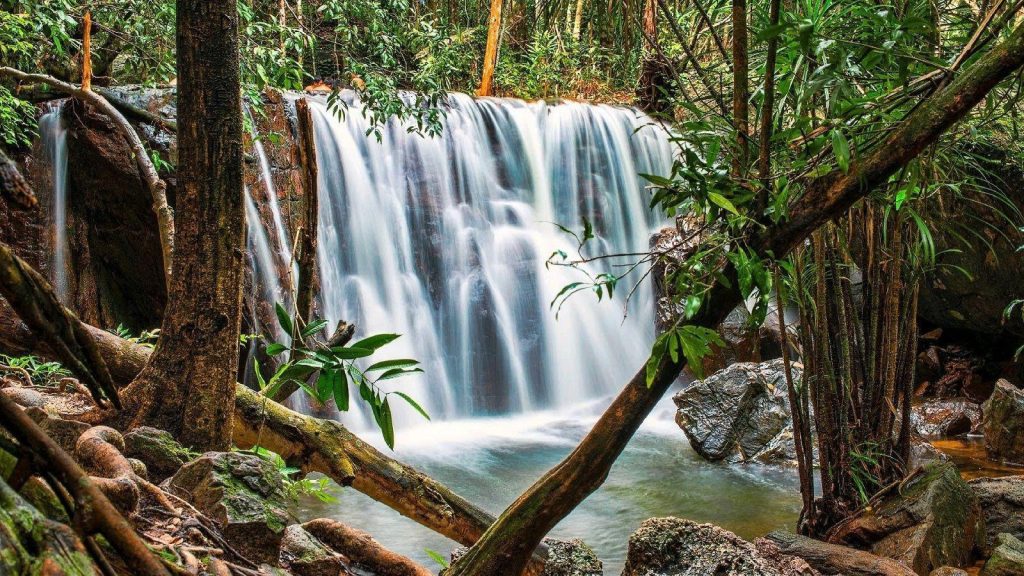
The Northern part of the island maintains a greater degree of its wilder, untamed essence and is therefore the ideal destination for eco-tourism and nature lovers.
- Phu Quoc National Park: Covering over half of the island’s northern territory, this vast park is internationally recognized as a UNESCO Biosphere Reserve. It protects crucial endemic species and vital primary forests. The park offers accessible hiking trails and features scenic destinations like the Suoi Tranh waterfall (best viewed during or just after the wet season).
- Vinpearl Safari and VinWonders: In stark contrast to the National Park, these two massive entertainment entities have established the North as the island’s definitive family entertainment hub. Vinpearl Safari is Vietnam’s first semi-wild zoo, offering a unique opportunity to view diverse species. Adjacent to it, VinWonders is a giant theme park, attracting millions of visitors and cementing the North’s role as the center for large-scale, planned family fun in Phu Quoc.
Culinary Journeys and Local Products
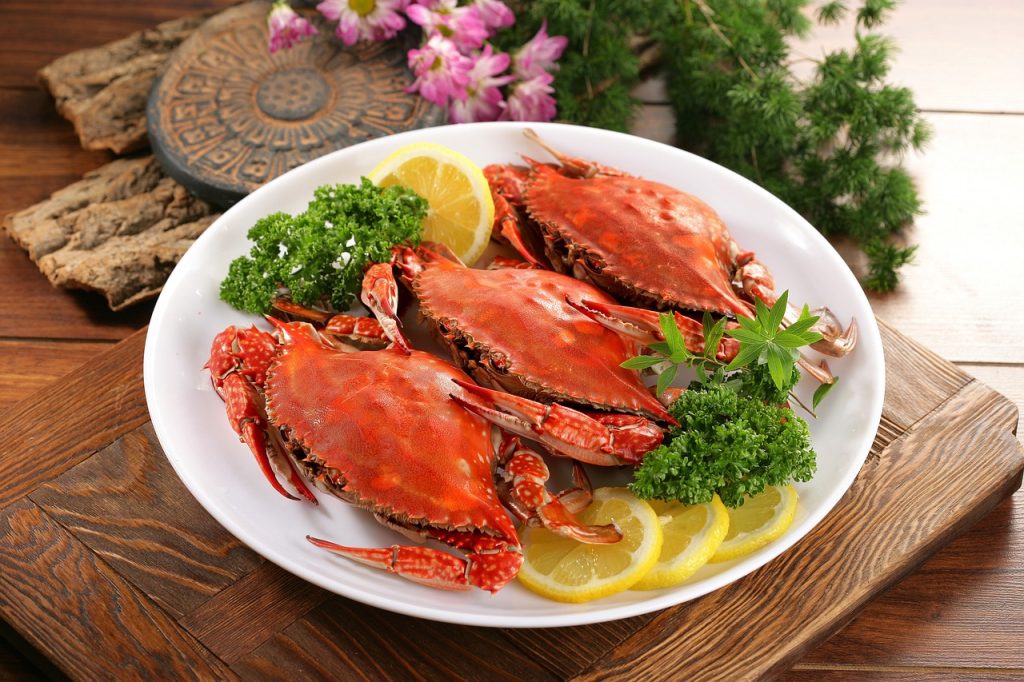
The local Phu Quoc cuisine is a destination in itself, grounding the luxury experience in authentic Vietnamese flavors.
- The Global Fame of Phu Quoc Fish Sauce: Visiting a traditional, decades-old fish sauce factory provides essential insight into the highly regulated and centuries-old process of making this internationally acclaimed condiment, which is integral to Vietnamese cooking. It’s a key cultural entity to explore.
- Local Delicacies: Culinary exploration is a must. Sampling local delicacies like sea urchin (nhum biển), often grilled with scallion oil, and visiting the historic pepper farms to taste authentic Phu Quoc pepper (tiêu Phú Quốc) are essential elements for experiencing the true, earthy taste of the island.
- Night Market Experience: The lively Phu Quoc Night Market in the central Duong Dong town is the ultimate spot for authentic street food, offering everything from fresh grilled seafood (including giant snails and shellfish) to local desserts and souvenir shopping.
RELATED: Things to Do in Phu Quoc: Discover Paradise
Planning Your Flawless Phu Quoc Itinerary
To maximize the benefits of the island’s diverse offerings, effective planning that expertly incorporates all the key Phu Quoc features is crucial.
Essential Tips for Travelers to Phu Quoc
Trustworthy travel requires knowledge of logistics and local regulations.
- Visa Requirements: A significant advantage for international travelers is that Phu Quoc offers a 30-day visa exemption for most foreign tourists, provided they arrive and depart directly from the island’s international port or airport. This makes spontaneous international travel highly accessible.
- Currency and Connectivity: The official currency is the Vietnamese Dong (VND). While cash is useful at local markets, all major resort areas, restaurants, and shopping centers readily accept international credit cards. Furthermore, reliable, high-speed Wi-Fi is standard across all major resort properties and cafes.
Sample 4-Day Phu Quoc Luxury Itinerary
This sample itinerary balances high-end leisure with essential cultural and natural exploration.
- Day 1 (Arrival & South Island Focus): Arrive at Phu Quoc International Airport (PQC). Immediate check-in to your selected luxury resort (e.g., a villa at Khem Beach). Spend the late afternoon enjoying the resort’s private beach and infinity pool. Conclude the day with sunset viewing followed by a private, signature dining experience at the resort.
- Day 2 (Adventure & Leisure): Early morning ride on the Hon Thom cable car for spectacular aerial views. Explore the water park upon arrival at the islet. Afternoon is reserved for pure relaxation at the pristine, white sands of Bãi Sao. Evening exploration of the magical architecture and ambiance of Sunset Town.
- Day 3 (Nature & Culture): Morning dedicated to visiting the North, with a hike or light exploration within Phu Quoc National Park. Afternoon features a cultural tour to a fish sauce factory and a pepper farm. Evening concludes with the vibrant, immersive experience of the Phu Quoc Night Market.
- Day 4 (Departure): Enjoy a final, leisurely morning, perhaps utilizing the resort’s world-class spa facilities or enjoying one last dip in your private pool. Depart from Phu Quoc International Airport (PQC).
RELATED: Perfect Phu Quoc 4 Day 3 Night Itinerary: Beaches, Fun, and Food
Phu Quoc has successfully maintained its status as a pristine Heavenly Island while blossoming into a world-class destination for ultra-luxury resort travel. Whether you seek the untouched sands of Bãi Sao or the refined opulence of a five-star villa, Phu Quoc offers a diverse and unforgettable experience. Its comprehensive development, balancing nature with luxury, makes it a reliable and attractive choice for discerning travelers globally.